Why You Need an Aluminum Filter Drier for Your HVAC System Maintenance
In the realm of HVAC system maintenance, the significance of incorporating an Aluminum Filter Drier cannot be overstated. With the increasing complexity of modern air conditioning and refrigeration systems, the role of effective moisture and contaminant removal has become paramount. According to the U.S. Department of Energy, moisture can lead to corrosion and premature system failure, emphasizing the need for robust filtration solutions. Industry expert Dr. John Patterson, a leading authority in HVAC technologies, states, "An Aluminum Filter Drier is essential not just for maintaining efficiency, but also for prolonging the life of your HVAC system by safeguarding it against the detrimental effects of moisture and contaminants."
Moreover, studies show that HVAC systems are most efficient when they operate in a clean and dry environment. The National Institute of Standards and Technology (NIST) highlights that the presence of impurities can reduce system efficiency by up to 25%, drastically increasing energy costs. As HVAC professionals strive to meet higher energy efficiency standards, utilizing an Aluminum Filter Drier emerges as a practical measure for maintaining system integrity and performance. In conclusion, understanding the critical role that Aluminum Filter Driers play in HVAC system upkeep is essential for anyone invested in energy efficiency and system longevity.
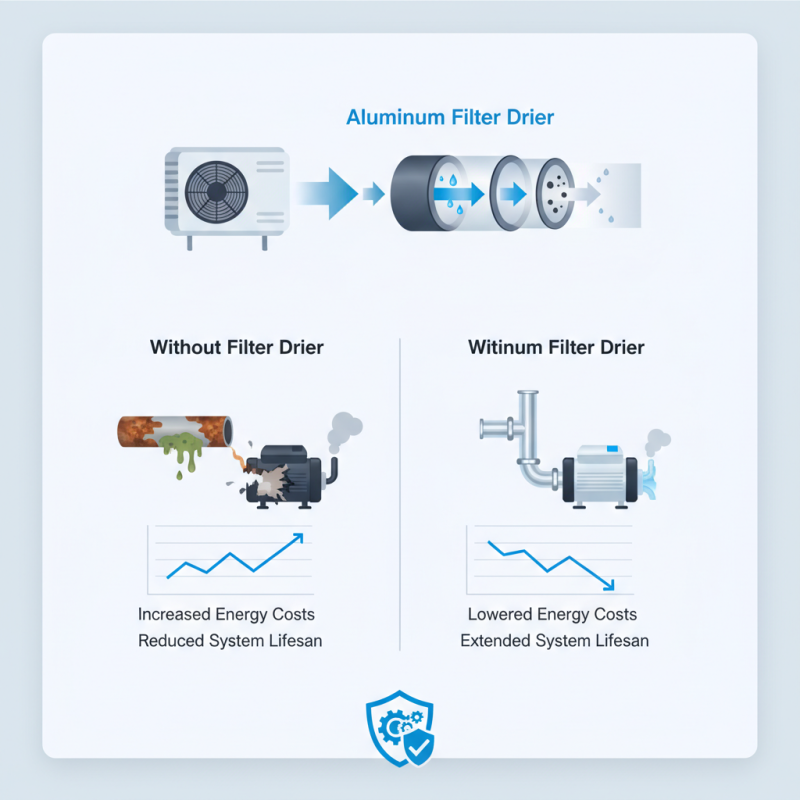
The Purpose of an Aluminum Filter Drier in HVAC Systems
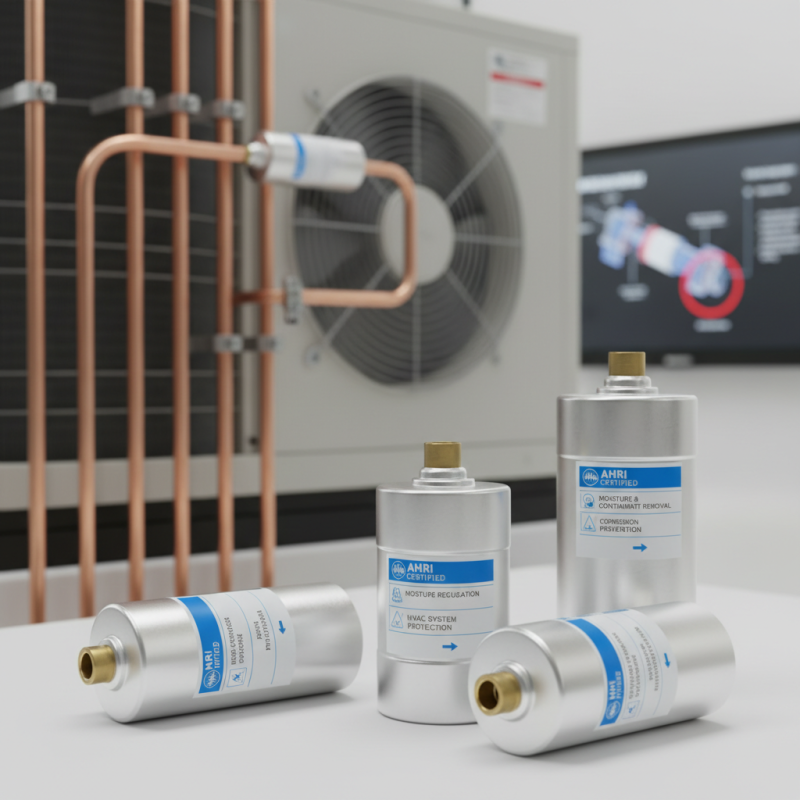
Aluminum filter driers play a critical role in the maintenance of HVAC systems by ensuring the efficiency and longevity of these systems. The primary purpose of an aluminum filter drier is to remove moisture and contaminants from refrigerant lines, which can lead to severe damage if not adequately addressed. According to a report by the Air Conditioning, Heating, and Refrigeration Institute (AHRI), up to 90% of HVAC system failures can be attributed to moisture accumulation, making the function of a filter drier vital. By absorbing moisture and filtering out debris, aluminum filter driers help maintain proper pressure levels and prevent corrosive reactions within the system.
To get the most out of your aluminum filter drier, consider replacing it every two to three years during regular HVAC maintenance, especially if you live in a region with high humidity or dust levels. This proactive measure can significantly reduce the risk of costly repairs due to moisture-related issues. Additionally, regularly checking the filter drier's condition can help pinpoint potential refrigerant leaks or blockages, ensuring your HVAC system runs smoothly throughout the seasons.
It's essential to install the filter drier correctly according to manufacturer specifications to maximize its effectiveness. Improper installation can lead to issues such as restricted airflow or refrigerant flow, which can put additional strain on the system. Always consult a professional technician if you're unsure about the installation or maintenance process, ensuring that your HVAC system remains efficient and reliable.
Benefits of Using Aluminum Filter Driers for System Efficiency
Aluminum filter driers play a critical role in maintaining the efficiency of HVAC systems by preventing contaminants such as moisture, dirt, and acids from damaging the compressor and other components. As contaminants accumulate, they can lead to a significant drop in system performance, which can increase energy consumption by as much as 30%, according to the American Society of Heating, Refrigerating and Air-Conditioning Engineers (ASHRAE). By using aluminum filter driers, HVAC systems can sustain optimal operational conditions, ensuring that they run smoothly and utilize energy more effectively.
Moreover, aluminum filter driers are known for their excellent thermal conductivity and resistance to corrosion, contributing further to system longevity and performance. Reports from the U.S. Department of Energy indicate that efficient HVAC systems can reduce energy costs by up to 25%. The ability of aluminum filter driers to absorb moisture and impurities effectively translates into less frequent repairs and replacements, which is crucial for reducing overall maintenance costs. By investing in an aluminum filter drier, HVAC technicians can enhance the reliability and efficiency of the systems they service, promoting a healthier indoor environment and reducing the carbon footprint associated with energy-intensive cooling and heating processes.
Why You Need an Aluminum Filter Drier for Your HVAC System Maintenance - Benefits of Using Aluminum Filter Driers for System Efficiency
| Benefit |
Description |
Impact on System Efficiency |
| Improved Refrigerant Flow |
Aluminum filter driers allow for better flow and reduce pressure drop. |
Enhances cooling capacity and efficiency. |
| Moisture Removal |
These driers effectively eliminate moisture from the refrigerant. |
Prevents freezing and improves system reliability. |
| Extended Equipment Life |
Reduces the chances of corrosion and damage caused by contaminants. |
Lower maintenance costs and fewer breakdowns over time. |
| High Heat Transfer |
Aluminum's thermal conductivity promotes better heat exchange. |
Increases overall HVAC system effectiveness. |
| Lightweight Design |
Easier to handle and install compared to heavier materials. |
Reduces installation time and labor costs. |
Common HVAC Issues Prevented by Aluminum Filter Driers
Aluminum filter driers play a crucial role in the maintenance of HVAC systems, specifically in preventing common issues that can lead to costly repairs and inefficiencies. One significant problem that these filter driers help mitigate is moisture contamination in refrigerant lines. According to industry data, even small amounts of moisture can lead to system corrosion, refrigerant breakdown, and inefficient cooling performance. By effectively absorbing moisture, aluminum filter driers can enhance the longevity of the HVAC system and maintain optimal functionality.
In addition to moisture control, aluminum filter driers also capture contaminants such as dirt, dust, and microscopic particles that can hinder system performance. A study by the Air Conditioning Contractors of America (ACCA) indicates that nearly 50% of HVAC system failures can be traced back to contaminated refrigerant. By filtering out these harmful particles before they enter the compressor, aluminum filter driers help ensure a cleaner, more efficient operation, which can lead to a 10-15% improvement in energy efficiency. As a result, regular maintenance that includes the use of an aluminum filter drier not only prevents common HVAC issues but also promotes a more sustainable and economical operation.
Installation Process and Best Practices for Aluminum Filter Driers
Installing an aluminum filter drier is a crucial step in maintaining the efficiency and longevity of your HVAC system. These devices play a vital role in removing moisture and contaminants from the refrigerant circuit, which can prevent corrosion and improve overall system performance. According to a study published by the Air Conditioning, Heating, and Refrigeration Institute (AHRI), proper filtration and moisture control can enhance energy efficiency by up to 15%, reducing operational costs and extending equipment life.
The installation process for an aluminum filter drier involves a series of best practices to ensure optimal performance. First, it’s essential to choose the appropriate size and type of filter drier based on your HVAC system specifications. During installation, ensure that the filter drier is positioned in the liquid line close to the expansion valve. This placement maximizes moisture absorption before the refrigerant enters the evaporator. Furthermore, it’s critical to use proper brazing techniques to prevent leaks and maintain system integrity. An industry report indicates that around 25% of HVAC failures are attributed to improper installation practices, underscoring the importance of adhering to these guidelines for a successful installation. Regular maintenance checks should also include inspecting the filter drier for blockages or unusual pressure drops, ensuring the system continues to operate smoothly.
Maintenance Tips for Prolonging the Life of Aluminum Filter Driers
Maintaining your HVAC system is essential for efficiency and longevity, and one key component to focus on is the aluminum filter drier. To prolong the life of these crucial parts, regular inspections and cleanings should be prioritized. Check for signs of moisture accumulation and debris buildup, as these can impede functionality. Using a soft cloth or a vacuum with a brush attachment can help keep the filter drier free from contaminants, ensuring optimal airflow and efficiency.
Additionally, it is important to monitor the refrigerant levels within your HVAC system. Low refrigerant can lead to increased pressure within the system, placing undue strain on the aluminum filter drier. Make it a habit to have your system professionally serviced at least once a year, where a technician can assess the refrigerant levels and inspect the drier for any potential issues. Furthermore, keeping the surrounding area of the HVAC unit clear of debris and using proper insulation can also contribute to the overall health of the filter drier, ultimately enhancing the performance and lifespan of your HVAC system.
Aluminum Filter Drier Efficiency Over Time
This chart illustrates the efficiency of aluminum filter driers over different time periods. Regular maintenance is crucial to prolonging their lifespan and ensuring optimal performance in HVAC systems.