Best Compressor For Fridge How To Choose The Right One For Your Needs
When it comes to maintaining a functional and efficient refrigeration system, choosing the right compressor for fridge is crucial. The compressor acts as the heart of your refrigerator, regulating temperature and ensuring optimal performance. With a variety of options available on the market, selecting the most suitable compressor can be overwhelming. Understanding the different types of compressors, their functionality, and how they align with your specific needs is essential for making an informed decision.
In this guide, we will explore various factors to consider when selecting a compressor for fridge applications. From size and efficiency to power consumption and noise levels, we'll break down the key aspects that can influence your choice. Whether you are replacing an old unit or outfitting a new refrigerator, knowing what to look for will help you find a compressor that meets your requirements and enhances the longevity of your appliance. Let’s dive deeper into how to select the best compressor to keep your food fresh and your energy bills in check.
Understanding the Role of a Compressor in Refrigeration Systems
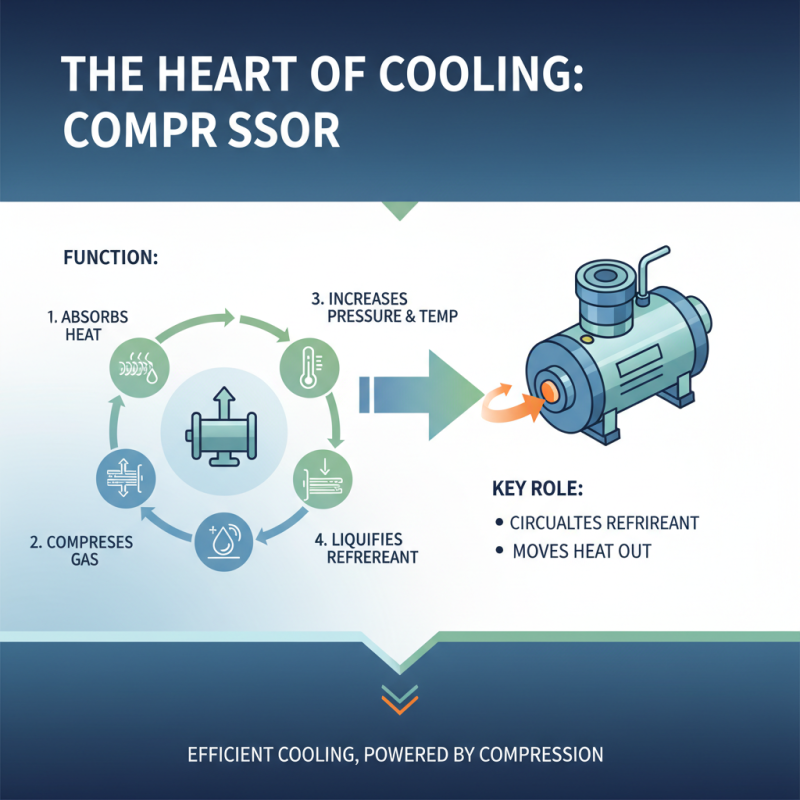
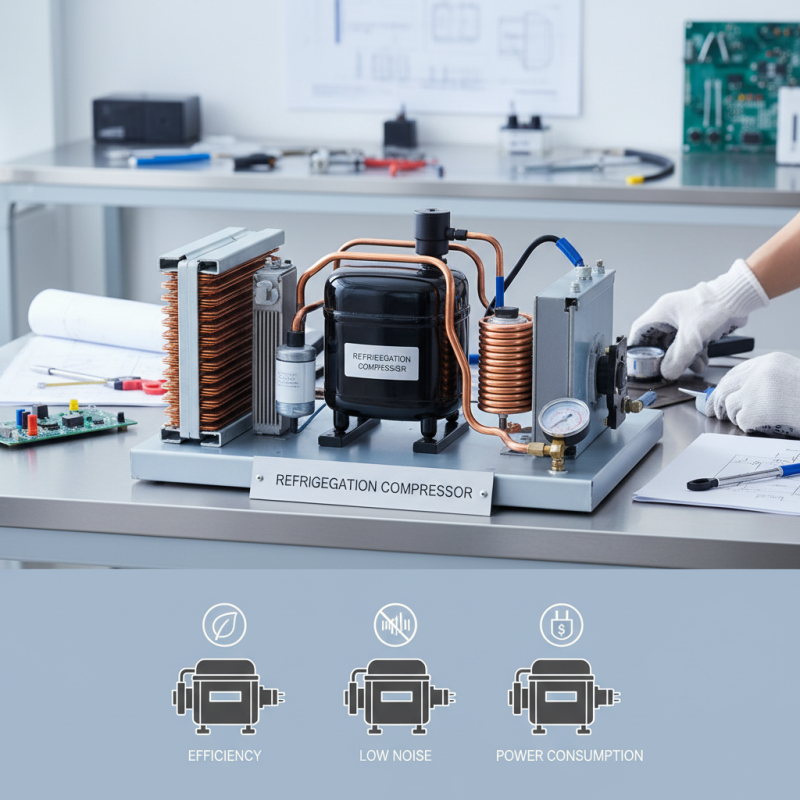
The compressor is a crucial component of refrigeration systems, playing a pivotal role in the overall cooling process. It essentially functions as a pump that circulates refrigerant throughout the system, allowing for the absorption and release of heat. By compressing the refrigerant, the compressor increases its pressure and temperature, facilitating the transition of the refrigerant from a gas to a liquid state. This process is vital for maintaining the desired temperature inside the fridge or freezer, as it ensures that heat is efficiently extracted from the internal environment.
Understanding the role of a compressor helps consumers make informed decisions when choosing a fridge. The efficiency and performance of a compressor can significantly impact energy consumption, noise levels, and cooling effectiveness. Different types of compressors, such as reciprocating, rotary, or scroll, vary in their operation and suitability for specific refrigeration needs. By considering these factors, individuals can select a compressor that aligns with their requirements, ensuring optimal performance and longevity of their refrigeration system.
Different Types of Compressors Used in Fridges and Their Features
When selecting a compressor for your fridge, it's essential to understand the different types available and their unique features. There are mainly two types of compressors commonly used in refrigerators:
reciprocating compressors and rotary compressors.
Reciprocating compressors function like an engine, using pistons to compress refrigerant gas. This type is known for its durability and efficiency, making it ideal for large fridges that require consistent cooling power. They can handle high pressure and are often favored in commercial refrigeration systems.
On the other hand, rotary compressors operate using a rotating mechanism to compress the refrigerant. These compressors are typically quieter and more compact than their reciprocating counterparts, making them suitable for smaller fridges or freezers where space is at a premium.
They offer a smoother operation and can achieve high efficiency at lower energy consumption levels. Understanding these differences can help you choose the right compressor based on the size of your fridge, the level of noise you can tolerate, and your energy efficiency preferences.
Factors to Consider When Choosing a Compressor for Your Fridge
When selecting a compressor for your fridge, several critical factors must be considered to ensure efficient operation and longevity. One of the primary aspects to evaluate is the compressor type, which typically falls into three categories: reciprocating, rotary, and scroll compressors. According to a report by the International Institute of Refrigeration, scroll compressors are increasingly favored in modern appliances due to their energy efficiency and lower noise levels, making them ideal for residential refrigerators.
Another vital consideration is the compressor's size and capacity, which should match your fridge's design and intended use. A study from the American Society of Heating, Refrigerating, and Air-Conditioning Engineers indicates that improper sizing can lead to inadequate cooling performance or increased energy consumption. For instance, a compressor that is too small may struggle to maintain desired temperatures, while an oversized unit can cycle on and off, leading to wear and reduced efficiency. Understanding your fridge's cooling load requirements will help narrow down the options and ensure optimal performance.
Additionally, pay attention to the energy efficiency ratings of compressors. The U.S. Department of Energy states that energy-efficient models can reduce electricity consumption by up to 40% compared to standard models. When evaluating potential compressors, look for those with high EER (Energy Efficiency Ratio) ratings, as they provide a benchmark for performance relative to energy use. This not only contributes to reduced energy bills but also minimizes the environmental impact of your refrigeration system.
Best Compressor For Fridge: How To Choose The Right One For Your Needs
| Compressor Type |
Cooling Capacity (BTU) |
Energy Efficiency Ratio (EER) |
Noise Level (dB) |
Weight (lbs) |
| Reciprocating |
5000 |
12.0 |
40 |
40 |
| Scroll |
8000 |
13.5 |
35 |
45 |
| Rotary |
6000 |
11.5 |
37 |
39 |
| Centrifugal |
10000 |
15.0 |
45 |
50 |
How to Calculate the Right Size and Power for Your Refrigeration Needs
Calculating the right size and power for your refrigeration needs is essential for ensuring efficiency and maintaining optimal performance. According to the U.S. Department of Energy, the cooling capacity of a compressor is typically measured in British Thermal Units (BTUs), and it’s crucial to select a compressor that matches the thermal load of your refrigerator. For example, a standard refrigeration unit requires approximately 1 BTU per cubic foot of storage space. Therefore, if you have a refrigerator with a capacity of 20 cubic feet, you would need a compressor that can deliver around 20,000 BTUs to maintain its efficiency.
In addition to size, the power requirements, usually measured in horsepower (HP) or watts, must be accurately assessed. A report from the International Institute of Refrigeration highlights that the energy consumption of compressors can vary widely based on their design and operating conditions. Choosing a compressor that operates within the optimal range of 0.5 to 1 HP for residential units is generally recommended, as this can lead to significant energy savings and lower operating costs. Therefore, understanding your refrigeration needs in relation to space and energy efficiency is vital for selecting the right compressor, which ultimately impacts both performance and longevity.
Refrigerator Compressor Size and Power Requirements
Top Brands and Models of Compressors for Home Refrigerators
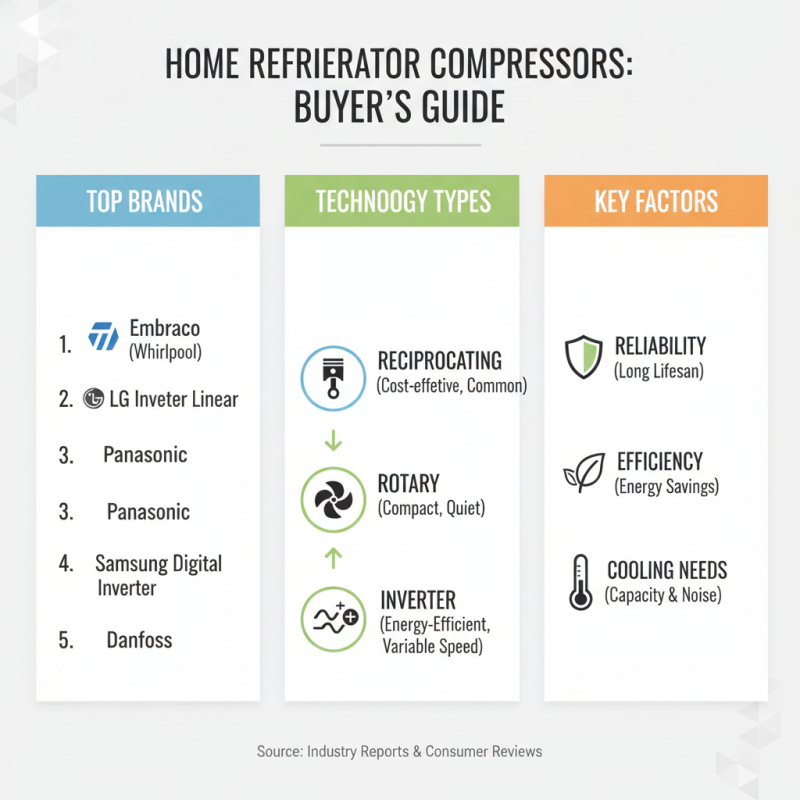
When selecting the right compressor for home refrigerators, it’s essential to consider the top brands and models that have proven reliability and efficiency over time. One of the key factors to keep in mind is the type of compressor technology utilized, such as reciprocating, rotary, or inverter compressors. Each technology comes with its own set of advantages and characteristics, catering to different cooling needs and energy efficiency requirements.
In addition to technology, examining the specifications and performance ratings of compressors is crucial. Look for models that boast energy-efficient designs and low noise levels, as these factors greatly impact the overall user experience. Many flagship models also incorporate advanced features such as enhanced cooling capabilities and innovative temperature control systems. Researching customer reviews and expert recommendations for various models can provide valuable insights into their long-term performance and dependability, helping you make an informed decision tailored to your specific refrigeration needs.