Leave Your Message
Choosing the best HVAC Filter Drier manufacturer requires more than comparing brand recognition or product prices. Performance depends on moisture capacity, acid removal, pressure tolerance, refrigerant compatibility, and connection quality. A reliable drier should protect compressors from contamination while maintaining stable refrigerant flow in demanding systems.
This guide examines ten leading HVAC Filter Drier manufacturers worldwide through practical and technical criteria. It considers engineering experience, manufacturing consistency, laboratory testing, certification records, product traceability, and after-sales support. Field details matter too. A clean brazed joint, a correctly sized core, and clear flow-direction markings can prevent expensive service problems. Manufacturer datasheets, installation instructions, and pressure ratings will receive close attention.
No manufacturer is perfect.
Regional supply can change. Product ranges may differ between markets. Published specifications also cannot replace proper installation or field verification. These limitations deserve honest consideration. Feedback from contractors, distributors, and refrigeration engineers can reveal issues that brochures often overlook. The strongest companies usually provide dependable documentation, responsive technical assistance, and consistent quality across multiple production batches.
The manufacturers discussed here serve different applications, from residential air conditioners to commercial refrigeration and larger industrial systems. Some focus on broad availability. Others specialize in advanced desiccant technology or custom configurations. By comparing these strengths carefully, buyers can identify a suitable HVAC Filter Drier for system design, operating conditions, and maintenance expectations. This is not a universal ranking. It is a practical starting point for better decisions.
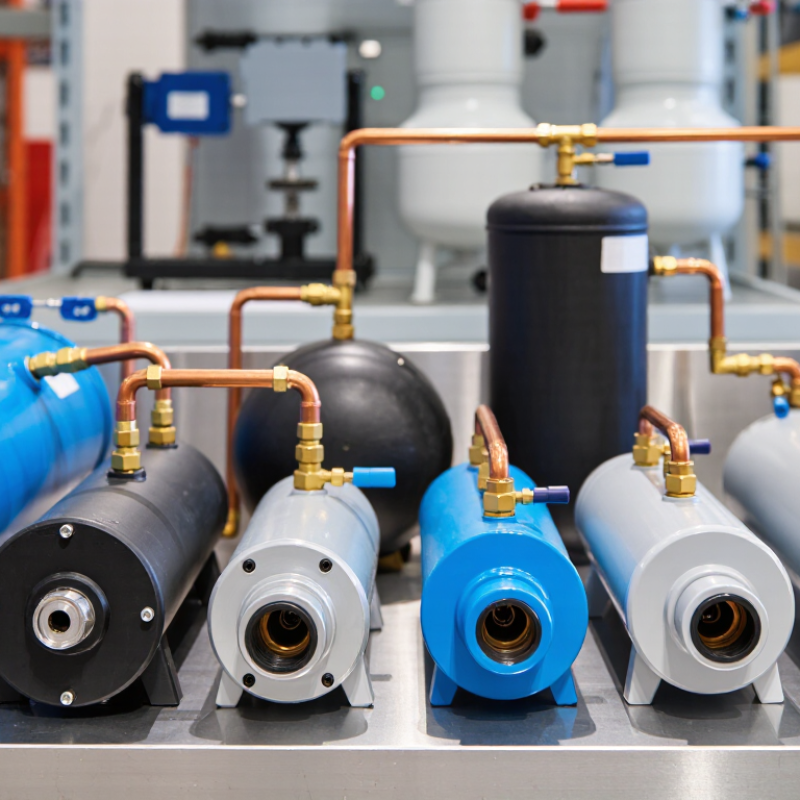
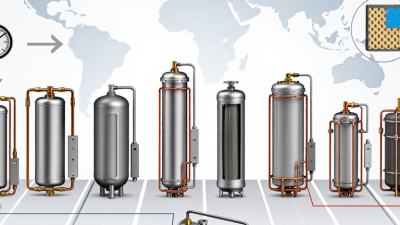
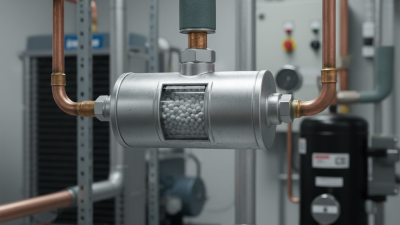
An HVAC filter drier is a compact component installed in a refrigeration circuit, usually in the liquid line. It combines filtration with moisture removal. Inside, a desiccant core absorbs water, while the filter traps metal dust, solder flakes, and other particles. These contaminants can restrict a metering device or damage a compressor.
Moisture creates serious problems. It can freeze at a restriction, react with refrigerant oil, or contribute to acid formation after excessive heat exposure. A technician may notice frost near the restriction, unstable superheat, or a rising pressure drop across the drier. Small warning signs matter. A clean sight glass does not always prove that the system is dry.
Correct selection requires more than matching pipe size. The drier must suit the refrigerant, oil type, system capacity, and expected operating temperature. Service technicians commonly replace it after opening the circuit, replacing a compressor, or repairing a leak. After installation, they evacuate the system properly and check for abnormal pressure loss.
A common mistake is treating the filter drier as a cure-all. It cannot repair poor evacuation, repeated leaks, or incorrect charging. I once underestimated how quickly a restricted drier could affect performance; the compressor sounded normal, but capacity had already fallen. Manufacturer data and measured system conditions should guide the final choice. A slightly larger body is not automatically better. Oversizing, poor placement, or ignoring flow direction can create avoidable problems.
| No. | Manufacturer Profile | Typical HVAC Application | Installation Position | Flow Direction | Common Refrigerant Families | Core or Filter Function | Serviceability | Important Selection Checks |
|---|---|---|---|---|---|---|---|---|
| 1 | Hermetic Liquid-Line Specialist | Residential split air conditioners, heat pumps and packaged units | Liquid line upstream of the expansion device | Single-direction | HFC, HFO and selected lower-GWP blends; verify model compatibility | Removes moisture, acids, dirt and copper-oxide particles from the liquid refrigerant | Non-replaceable sealed body | Refrigerant approval, maximum working pressure, connection size, capacity and pressure drop |
| 2 | Bi-Flow Heat-Pump Specialist | Reversible air-source heat pumps and packaged heat-pump systems | Refrigerant circuit where flow reverses during heating and cooling | Bi-directional | Refrigerants approved for the specific heat-pump design | Moisture and contaminant control in both flow directions | Usually sealed; replacement requires system recovery and evacuation | Confirmed bi-directional rating, pressure drop in both directions and reversing-valve layout |
| 3 | Replaceable-Core Shell Specialist | Commercial refrigeration racks, chillers and large comfort-cooling systems | Liquid line or suction line, depending on the selected core | Single-direction; special designs may support two-way flow | Common commercial refrigerants subject to shell and core approvals | High dirt-holding capacity with replaceable moisture-, acid- or filtration-focused cores | Serviceable; core can be changed without replacing the complete shell | Shell pressure rating, core chemistry, port size, isolation valves and access clearance |
| 4 | Suction-Line Cleanup Specialist | Systems after compressor burnout, motor failure or major contamination | Suction line between the evaporator and compressor | Single-direction toward the compressor | Refrigerant approved for the refrigeration system | Captures acid, sludge, carbon and solid debris before they reach the compressor | Often temporary or replaceable after the system has been cleaned | Low pressure drop, dirt capacity, suction-line diameter and mandatory post-cleanup removal procedure |
| 5 | High-Moisture-Capacity Specialist | New installations, systems opened to atmosphere and humid service environments | Normally installed in the liquid line | Single-direction | Refrigerant family and oil type approved by the product datasheet | Adsorbs water and helps prevent ice formation, corrosion and chemical degradation | Sealed body; replacement is based on commissioning or service requirements | Water-capacity rating, dry storage condition, evacuation quality and replacement interval |
| 6 | Acid-Control Specialist | Hermetic compressor systems exposed to overheating or oil decomposition | Liquid line or suction line according to the system-cleanup strategy | Single-direction | Approved refrigerants and lubricants listed for the selected cartridge or shell | Helps remove acids and reactive contaminants produced by compressor overheating | Sealed or replaceable-core formats are available | Acid-removal capability, pressure drop, oil compatibility and follow-up acid testing |
| 7 | Compact OEM Integration Specialist | Small refrigeration appliances, condensing units and factory-built equipment | Factory-selected location in the liquid circuit | Usually single-direction | Refrigerant specified by the original equipment design | Compact desiccant and fine-particle filtration for protected factory systems | Normally non-serviceable and replaced as a complete component | Envelope dimensions, brazing temperature, connection geometry and approved operating pressure |
| 8 | Flare-Connection Specialist | Field-installed residential and light-commercial air-conditioning equipment | Liquid line near the indoor expansion device or outdoor service section | Single-direction | Only refrigerants approved for the specific fitting and drier construction | Moisture and particulate filtration without requiring a brazed connection | Sealed; installation depends on correct flare preparation and tightening torque | Flare size, leak resistance, vibration tolerance, pressure rating and installation orientation |
| 9 | High-Pressure Commercial Specialist | Commercial refrigeration, transport refrigeration and higher-pressure air-conditioning circuits | Liquid line or other position specified by the system design | Single-direction or bi-directional, depending on the product | Higher-pressure refrigerants only when specifically approved by the datasheet | Moisture, acid and particle control under elevated operating pressure | Sealed or replaceable-core designs | Maximum working pressure, relief requirements, temperature range and pressure-drop performance |
| 10 | Low-GWP Refrigerant Compatibility Specialist | New equipment designed around lower-global-warming-potential refrigerants | Position determined by the equipment manufacturer and refrigerant circuit design | Single-direction or bi-directional as specified | Selected HFO blends, mildly flammable A2L refrigerants or other approved alternatives | Moisture and contaminant control while maintaining material and lubricant compatibility | Sealed or serviceable, depending on system capacity | Refrigerant listing, lubricant compatibility, flammability-related installation rules and pressure rating |