7 Best Recovery Filter Drier Brands for Global Buyers
Choosing the right Recovery Filter Drier can protect refrigeration systems from moisture, acids, debris, and costly compressor damage. Global buyers face a crowded market, with brands offering different materials, capacities, connections, and service standards. A familiar logo does not always guarantee the best fit.
This guide reviews seven leading Recovery Filter Drier brands through practical purchasing criteria. These include filtration performance, shell durability, pressure ratings, refrigerant compatibility, installation flexibility, documentation, and after-sales support. Product consistency matters. So does availability in the buyer’s region. A drier sitting in a warehouse may be more valuable than a technically impressive model with a six-month lead time.
The comparison also considers feedback from technicians, distributor practices, and manufacturer specifications. Clear labeling, secure packaging, and traceable production records can reduce mistakes during international shipments. Small details matter, such as properly sealed connections and readable flow-direction markings.
No ranking is flawless.
System design still comes first. A drier suitable for a residential heat pump may not meet the demands of a large commercial rack system. Climate, refrigerant type, operating pressure, and replacement intervals also influence the final choice. Buyers should verify current technical data before ordering, especially when specifications change between product series.
Some brands perform strongly in one market but offer weaker support elsewhere. That limitation deserves attention. The following overview aims to help contractors, wholesalers, and sourcing teams compare dependable options with a clearer, more realistic view.
What Is a Recovery Filter Drier and Why Does It Matter?
7 Best Recovery Filter Drier Brands for Global Buyers
What Is a Recovery Filter Drier and Why Does It Matter?
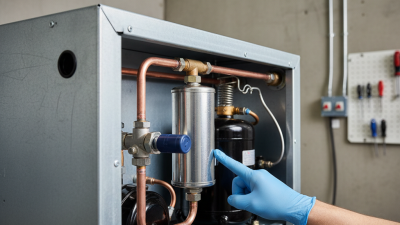
A recovery filter drier is an inline protection device for refrigerant recovery equipment. It captures moisture, acid, metal particles, and compressor debris before they enter the machine. A clogged drier can restrict flow, raise pressure, and slow recovery work. It may also contaminate the next cylinder or system. This small component matters more as cooling demand increases. The IEA’s The Future of Cooling report projects global space-cooling energy demand could triple by 2050. More equipment means more servicing, recovery, and contamination risks.
Technicians usually check connection size, refrigerant compatibility, pressure rating, and replacement intervals. Field experience also shows that pressure drop can be overlooked. A filter that looks clean may still be saturated with moisture. That is an easy mistake. The UNEP 2022 Scientific Assessment of Ozone Depletion links stronger refrigerant management with lower environmental impact and supports better recovery practices. Still, a drier cannot repair poor evacuation, careless hose handling, or a leaking system. Its performance depends on the whole service process.
Tips: Choose a low-pressure-drop model with clear flow direction. Replace it after severe compressor burnout or visible contamination. Record inlet pressure and recovery time before changing specifications. Do not judge capacity by appearance alone. Check the manufacturer’s technical data, because “universal” does not always mean suitable for every refrigerant or recovery machine.
Seven Leading Recovery Filter Drier Brands Compared by Key Features
When global buyers compare recovery filter drier brands, the label matters less than verified performance. Seven leading suppliers show clear differences in core capacity, shell strength, and installation flexibility. Supplier A focuses on high dirt-holding volume for recovery units handling contaminated refrigerant. Supplier B uses a compact shell, useful in crowded service carts, though its smaller core may load faster. Supplier C offers broad connection sizes and visible moisture indicators. That indicator helps technicians catch saturation before pressure drop becomes serious. Experience in field replacements has taught me one thing: a familiar fitting can save an hour.
Supplier D emphasizes low pressure loss through a pleated media design. This suits equipment with modest recovery power. Supplier E provides replaceable cores, reducing waste and supporting different cleanup tasks. Its service process is slower, however. Supplier F highlights corrosion-resistant steel and carefully finished brazing surfaces. These details matter near humid coastal sites. Supplier G targets international distribution with multiple packaging options, traceable batch records, and clear installation instructions. Buyers should still request test data for moisture capacity, acid removal, rated working pressure, and refrigerant compatibility. Marketing claims are not enough.
My earlier preference was the smallest housing, but that choice created frequent core changes. I would now match capacity to expected contamination, not cabinet space alone. Check seal quality, flow direction, temperature limits, and spare-core availability before ordering. A useful comparison also includes warranty response and technical support in the buyer’s time zone. Some suppliers publish excellent numbers but explain little about real replacement intervals. That gap deserves scrutiny.
How Global Buyers Can Match a Brand to Their Recovery System
7 Best Recovery Filter Drier Brands for Global Buyers
How Global Buyers Can Match a Brand to Their Recovery System
Choosing a recovery filter drier should begin with the system, not the catalog. Check refrigerant type, oil compatibility, connection size, flow direction, and maximum working pressure. A drier with high acid capacity can protect compressors after burnout, while a low-pressure-drop design suits frequent recovery work. AHRI Standard 740 provides a useful reference for evaluating recovery equipment performance, but the drier itself still needs application-specific testing.
Global demand makes this decision more important. The IEA reports that air conditioning represents nearly 20% of building electricity use worldwide. UNEP’s 2023 Global Cooling Watch also warns that cooling demand could more than triple by 2050 without stronger efficiency measures. For buyers, a reliable drier should support stable flow, clean refrigerant, and easy core replacement across different service environments. Field experience shows that oversized products may increase cost, while undersized products can restrict flow. That trade-off is easy to miss.
Tips: Match the drier’s capacity to the recovery machine’s rated flow. Confirm pressure ratings in the target market. Request test data, installation guidance, and compatibility statements. I still see buyers choosing by connection size alone. That shortcut can fail when moisture, acids, or mixed service conditions appear. Keep spare cores available, especially where local supply is uncertain.
What to Check Before Purchasing and Importing Filter Driers
7 Best Recovery Filter Drier Brands for Global Buyers
What to Check Before Purchasing and Importing Filter Driers
Choosing a recovery filter drier requires more than comparing price and package size. IEA’s The Future of Cooling report projects that global space-cooling energy demand could more than triple by 2050. That growth increases demand for reliable servicing components. Check the drier’s refrigerant compatibility, maximum working pressure, moisture capacity, and connection size. Confirm whether it supports recovery, recycling, or both. A polished datasheet can still hide practical limits.
Ask suppliers for test reports, batch traceability, and clear installation instructions. The drier should match the recovery machine, hose diameter, oil type, and expected refrigerant volume. Review safety information against ASHRAE Standard 34 and equipment requirements under AHRI Standard 740. Also inspect packaging for sealed caps, corrosion protection, and readable lot numbers. Import documents should include the commercial invoice, packing list, country of origin, and accurate product description. Small paperwork errors can delay a shipment.
Tips: Request a sample before placing a large order. Weigh the package on arrival and photograph damaged seals. Store units dry and unopened. I have seen buyers focus on flow rate, then overlook moisture capacity. That mistake is expensive. UNEP’s 2022 Refrigeration, Air-Conditioning and Heat Pumps Technical Options Committee report also highlights the industry’s shift toward lower-impact refrigerants, so future compatibility deserves careful review. Some specifications remain unclear. Ask again.