2026 Best Refrigeration Tee Options for Your Needs?
When it comes to choosing the best refrigeration tee for your needs, expert insights are invaluable. John Smith, a renowned refrigeration specialist, once stated, "The right refrigeration tee can make all the difference in efficiency." This highlights the crucial role of selecting the appropriate components for your system.
In the refrigeration industry, a refrigeration tee is essential for directing flow. Often, these tees are overlooked, but their function impacts system performance. Well-designed refrigeration tees ensure that refrigerants flow smoothly, improving energy efficiency. Choosing the wrong one can lead to costly inefficiencies.
Understanding your options is vital. Different materials and sizes can alter system behavior. Even minor discrepancies might complicate your setup. Continuous feedback and improvement are important in this field. The perfect refrigeration tee isn't always easy to find, so exploring all possibilities can be challenging yet rewarding.

Understanding Refrigeration Tees: Definition and Functionality
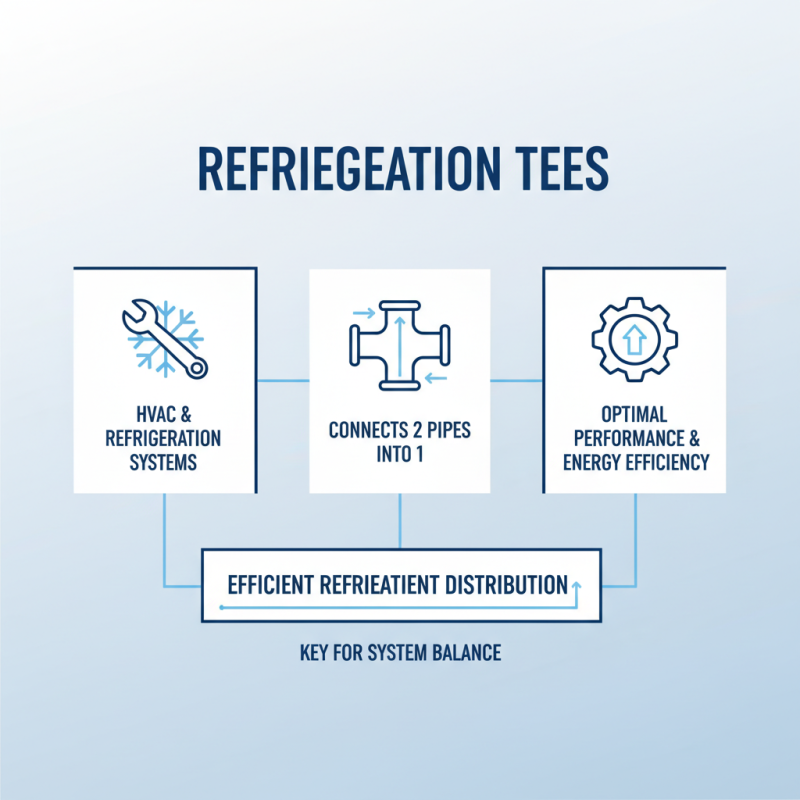
Refrigeration tees are essential components in HVAC and refrigeration systems. They help distribute refrigerant efficiently. This ensures optimal performance and energy efficiency. A refrigeration tee connects two pipes into one, either for liquid or vapor flow. It plays a critical role in system balance.
According to a 2022 industry report, choosing the right refrigeration tee affects operational costs. The report highlights that improper sizing can lead to 10-15% energy loss. Many technicians overlook this detail, impacting system longevity. In many cases, users spend more on maintenance due to inefficiencies caused by poorly chosen tees.
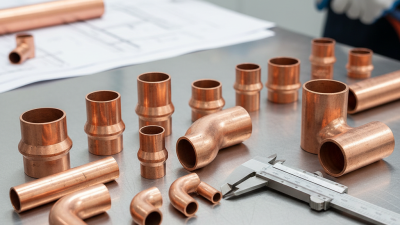
When installing or replacing refrigeration tees, consider material and design. Copper and brass options are common. They have pros and cons. Copper is durable, but can be expensive. Brass, while cheaper, may not withstand high pressures. Decisions like these demand careful thought. An ill-informed choice can lead to leaks and system failures down the line.
Key Factors to Consider When Choosing Refrigeration Tees
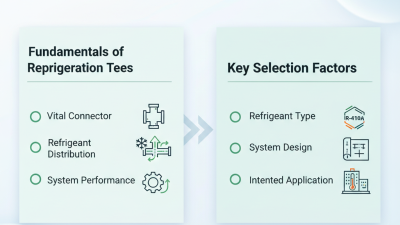
When selecting refrigeration tees, several key factors need consideration. The material is crucial. Most options include copper and stainless steel. Copper offers excellent thermal conductivity. However, it is prone to corrosion. Stainless steel is durable but can be more expensive. Performance data indicates that systems using stainless steel can achieve efficiency improvements of up to 15% in certain applications. Evaluating the long-term cost versus initial investment is important.
Sizing is another critical factor. An incorrectly sized tee can lead to inefficiencies. Research shows that improper sizing accounts for nearly 20% of energy losses in refrigeration systems. Understanding flow rates is vital for proper sizing. Various charts are available to assist in this process. In some installations, the difference can mean a 10% increase in operational costs annually.
Installation complexity should be assessed. More complex designs may require additional labor. This often leads to increases in upfront costs. It’s essential to find a balance. Sometimes, the simplest option isn't the most effective. A thorough understanding of your specific needs will help avoid regrets in the future. Remember, even the best refrigeration tee can underperform if not installed correctly.
2026 Best Refrigeration Tee Options for Your Needs
| Material |
Size (inches) |
Pressure Rating (psi) |
Temperature Range (°F) |
Application |
| Copper |
1/2 |
450 |
-40 to 300 |
Refrigeration & HVAC |
| Stainless Steel |
3/4 |
600 |
-40 to 400 |
Food Processing |
| Brass |
1 |
300 |
-20 to 250 |
Marine Applications |
| PVC |
1/2 |
150 |
0 to 180 |
Low Pressure Applications |
| Galvanized Steel |
2 |
500 |
-40 to 350 |
Air Conditioning Systems |
Top 2026 Refrigeration Tee Brands: A Comparative Review
When choosing refrigeration tees, various factors come into play. The material and temperature ratings are crucial. Stainless steel is common, offering durability and resistance to corrosion. Copper is another option, known for its superior thermal conductivity. Each material has its pros and cons. Sometimes, the choice may be unclear.
Look at the design and size too. Different applications often require specific fittings. A poorly fitted tee can lead to leaks or reduced efficiency. Understand your system’s requirements beforehand. This knowledge helps in selecting the right product. Also, consider ease of installation. Some tees may require special tools. This could add unexpected costs.
Reading user reviews is invaluable. Real-world experiences shed light on actual performance. Issues like manufacturing defects often emerge. Users might mention how well a tee performed under stress or its longevity. Pay attention to these insights when making a decision. They can guide you toward better choices in the long run.
Common Applications and Uses of Refrigeration Tees
Refrigeration tees are essential components in various industries. They connect refrigerant lines, allowing efficient cooling. Common applications include HVAC systems, refrigeration units, and food storage. These tees help maintain optimal temperature levels, ensuring safety and quality.
In HVAC systems, refrigeration tees facilitate refrigerant flow. This enhances the system's efficiency and performance. In cold storage warehouses, they maintain the necessary temperatures for perishable goods. Proper installation of these components is crucial to avoid leaks or inefficient cooling.
Tip: Always choose the right size and material for your refrigeration tee. A mismatched component can lead to system failure.
For food service operations, refrigeration tees connect different refrigeration lines. This allows the seamless transfer of refrigerant. As a result, it ensures a consistent cooling environment for food items. However, over time, wear and tear can occur. Regular maintenance checks are important to prevent issues.
Tip: Inspect your refrigeration tees periodically to catch potential problems early. Neglecting maintenance can lead to costly repairs.
Maintenance Tips for Prolonging the Life of Refrigeration Tees
Refrigeration tees play a crucial role in efficient cooling systems. Proper maintenance can significantly extend their lifespan. Regular checks help prevent leaks and blockages, which can lead to costly repairs. According to industry reports, proper maintenance can enhance performance by up to 30%.
Cleaning refrigeration tees is essential. Dust and debris can accumulate over time. This buildup affects airflow and efficiency. It's advisable to clean these components every six months. Using high-quality cleaning solutions ensures proper hygiene. Avoid harsh chemicals that might damage the surfaces.
Inspect seals and joints regularly. Flawed fittings can cause refrigerant loss. A study revealed that up to 20% of systems encounter efficiency drops due to poor connections. If you notice any wear, replace them immediately. Ignoring these issues might lead to catastrophic failures. Make maintenance a habit, not a chore.
2026 Best Refrigeration Tee Options - Usage and Maintenance Insights
This chart illustrates user satisfaction percentages for various refrigeration tee models in 2026. Regular maintenance plays a crucial role in prolonging the life of these components, impacting customer satisfaction.