Choosing the right Refrigerator Capacitor can be a challenging task. According to John Smith, a leading expert in appliance technology, "A well-suited capacitor ensures your refrigerator runs efficiently." Therefore, understanding the specifications of these components is crucial.
Refrigerator Capacitors play a vital role in the proper functioning of your appliance. An incompatible capacitor can lead to inefficient performance. This not only wastes energy but can also increase the risk of breakdown. It’s essential to consider factors such as voltage and capacitance values when making a selection.
Many consumers overlook these details. They may choose a capacitor based on the price alone. This can lead to regret down the line. It's better to invest time in research. A well-chosen Refrigerator Capacitor will save you frustration and energy in the long run.
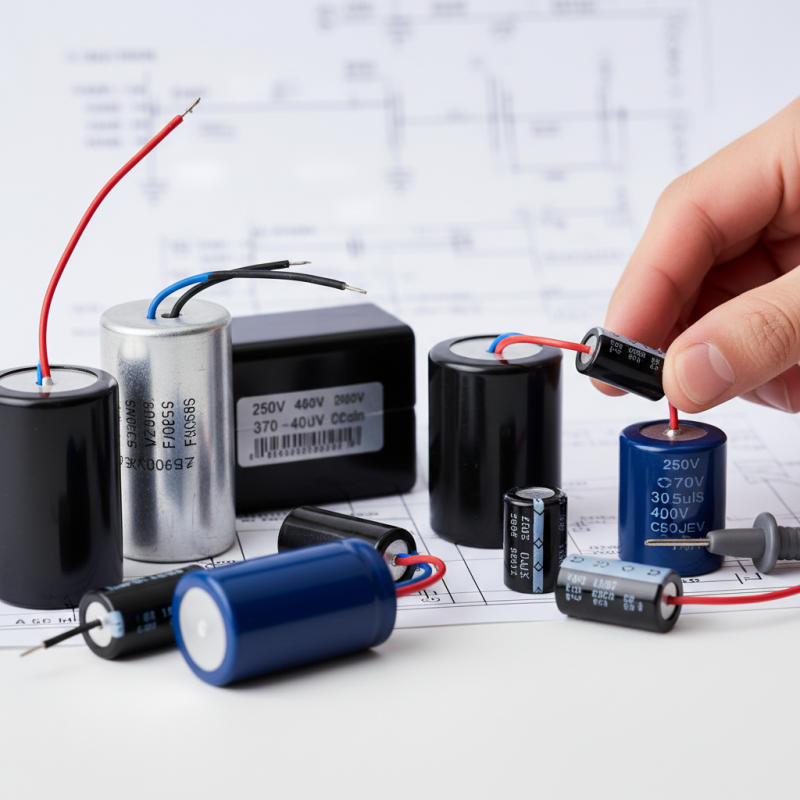
Understanding refrigerator capacitors is essential for appliance efficiency. Capacitors store and release electrical energy. They help the compressor start and run smoothly. Refrigerator capacitors can be classified into two main types: run capacitors and start capacitors. Run capacitors improve motor efficiency, while start capacitors provide an extra boost for starting the compressor.
According to industry data, improper capacitor choice can lead to a 30% reduction in appliance efficiency. Common issues include overheating or short-circuiting. Many users underestimate the importance of these components. A faulty capacitor can cause the entire cooling system to fail. When selecting a capacitor, pay attention to voltage ratings and capacitance values. Each refrigerator model requires specific specifications. Incompatible choices may result in inefficient operation or even damage.
Capacitor lifespan is another critical factor. Industry reports indicate that capacitors typically last 5 to 10 years. However, variations can occur due to environmental factors like humidity and temperature. It's vital to monitor performance regularly. Users often neglect this aspect until they notice performance degradation. Awareness of the types and functions of capacitors can lead to better decision-making. Understanding these details helps prolong the life and efficiency of your refrigerator.
Choosing the right refrigerator capacitor can significantly impact your appliance's efficiency. Capacitors come in various types, so it's essential to focus on key specifications. Start with voltage rating. Ensure it matches your appliance's requirements. Too low a voltage can cause failures, while too high may not function properly.
Next, consider the capacitance value. This measurement, typically in microfarads, determines how much electric charge the capacitor can hold. Select a capacitor with a value close to the original. Mismatched values might lead to underperformance. The size and physical layout also matter. Ensure the new capacitor fits in the designated space.
Lastly, pay attention to the temperature rating. Capacitors can degrade over time due to heat. Selecting one suitable for your environment can prevent premature failures. It’s easy to overlook these specifications. Many simply grab the first option available. However, this might lead to frustration down the line. Take your time to compare and reflect on your choices. Getting the right capacitor may seem tedious, but it makes a difference. Proper selection ensures your refrigerator runs smoothly for years to come.
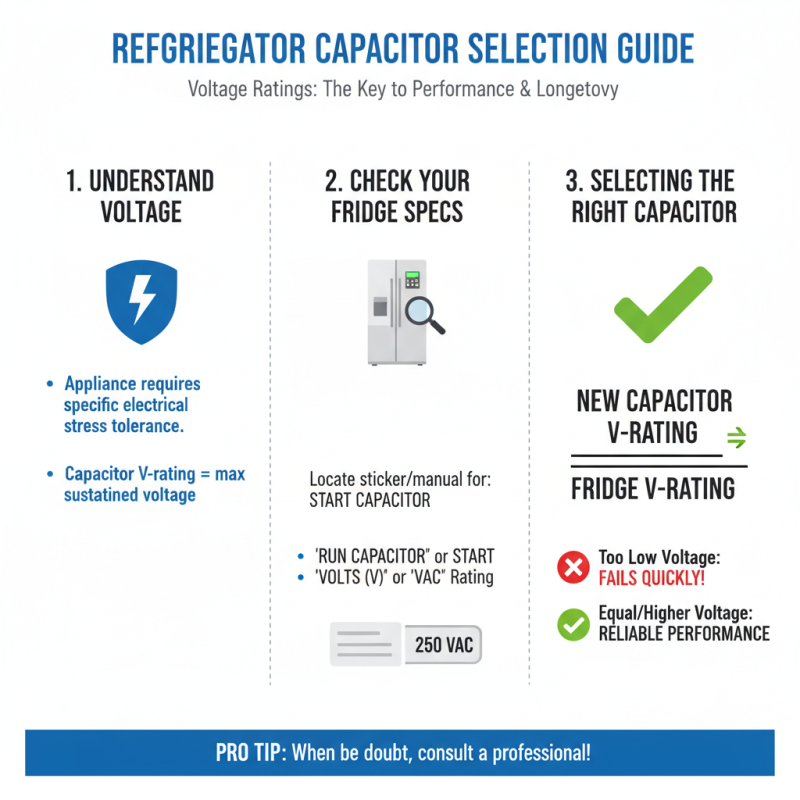
Choosing the right capacitor for your refrigerator is crucial. Voltage ratings significantly impact appliance performance. A capacitor's voltage rating indicates its ability to sustain electrical stress. If the voltage is too low, it may fail quickly.
According to industry reports, using a capacitor with a suitable voltage rating can enhance efficiency by up to 15%. A mismatch can lead to overheating. Overheating may cause the compressor to fail, leading to costly repairs. Consumers often overlook this aspect but should consider it for longevity.
Choosing a higher voltage rating can provide extra safety, but it may not always be necessary. Selecting a capacitor with an excessively high rating can lead to inefficiency. It may not operate optimally within the appliance’s designed voltage range. Therefore, careful evaluation is key. You need to balance performance and safety without over-engineering your selections.
Choosing the right capacitor for your refrigerator is crucial. The size and compatibility play vital roles in ensuring your appliance runs smoothly. Capacitors store energy and help start the compressor. If you pick a wrong size, the refrigerator may stall or not function properly.
Tip: Check your refrigerator model to find specified capacitor sizes. An under-sized capacitor can lead to overheating or failure. Always consult your user manual for details. If you're unsure whether a capacitor is compatible, compare its specifications with others that are proven to work in similar models.
Be aware that sometimes, even with the right specs, the capacitor may not perform well. Factors like age and wear can affect efficiency. Also, purchasing from unreliable sources might result in subpar capacitors. Choose wisely; it can save you time and money in repairs.
Choosing the right refrigerator capacitor is a critical step in appliance performance. Capacitors come in various brands, each with unique ratings influencing reliability. A recent industry report revealed that nearly 35% of domestic appliances fail due to subpar capacitors. This raises the importance of understanding performance ratings across different brands.
Market analysis shows significant variations in capacitor performance. For instance, some capacitors handle temperature fluctuations better than others. This can affect overall efficiency. A capacitor's lifespan often averages around 10 years, but many fail prematurely due to quality issues. Interestingly, only 15% of popular brands offer a warranty exceeding one year for their capacitors.
Consumer feedback highlights mixed experiences. Some users report consistent performance, while others face hiccups. It’s crucial to compare specifications and consider user reviews. Capacitor replacements often come at inconvenient times. These anecdotal accounts underline the need for thorough research before making a purchase. Seek options that balance cost with durability and performance ratings.