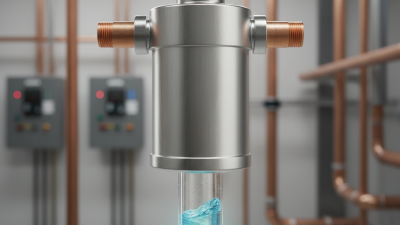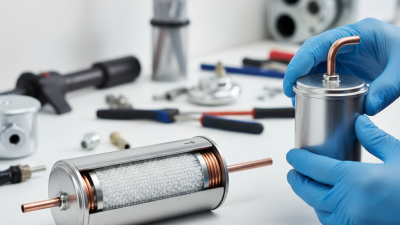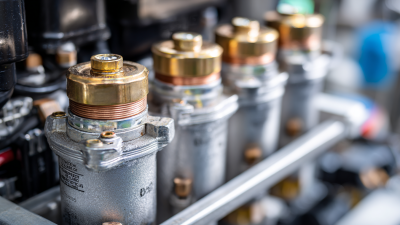
Choosing the right Refrigerant Recovery Filter Drier is a practical decision, not a simple catalog search. During recovery work, the component may face contaminated refrigerant, compressor oil, moisture, acid, and metal particles. A suitable filter drier protects recovery equipment and helps prevent contaminants from returning to a serviced system.
The selection process should begin with refrigerant compatibility. Check the manufacturer’s specifications, pressure rating, temperature range, connection size, and recommended flow direction. A filter drier designed for one application may restrict flow in another. That small mismatch can increase recovery time and strain the machine. Capacity also matters. A compact residential job and a large commercial system should not automatically use the same product.
Look closely at the filter’s moisture and acid removal performance. Some models include replaceable cores, while others are sealed and disposable. Replaceable designs can reduce waste, but they require careful maintenance and correct core installation. Inspect the housing for dents, damaged threads, or signs of leakage before use. Follow the recovery machine manufacturer’s instructions and applicable environmental requirements.
Field conditions can be less predictable. A system exposed to compressor burnout may need stronger contaminant control than a normally maintained unit. Yet choosing the most restrictive filter is not always better. Excessive pressure drop can reduce efficiency. Review technical data, service records, and verified manufacturer information before deciding. Keep it practical. A good choice balances protection, compatibility, flow, service life, and cost. Some recommendations may still need reconsideration when refrigerant type, contamination level, or equipment design changes.
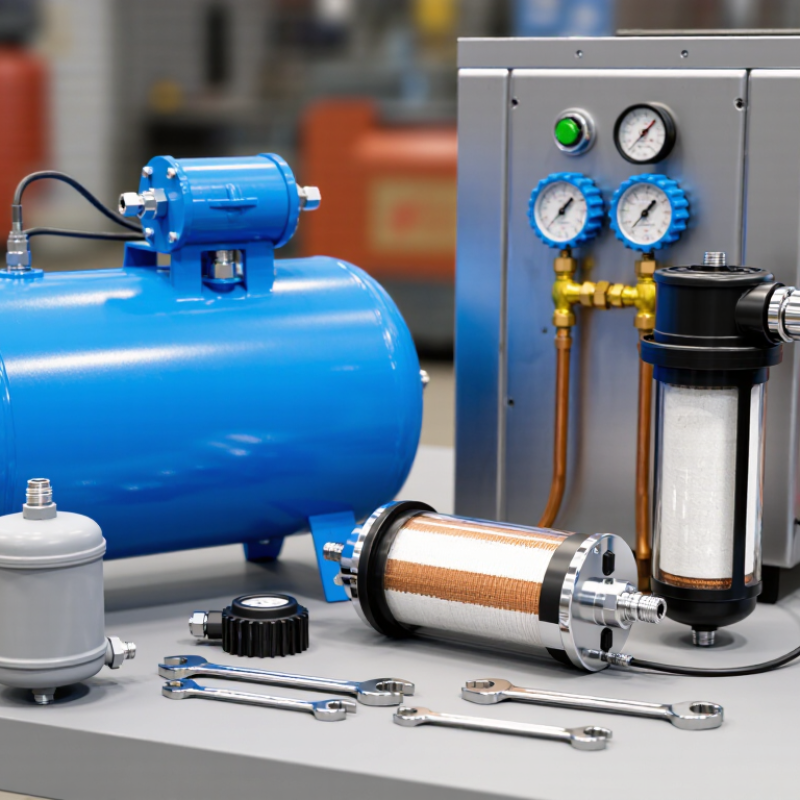
How to Choose a Refrigerant Recovery Filter Drier
A refrigerant recovery filter drier protects recovery equipment from moisture, acid, and solid debris. During service work, contaminants can enter through damaged components, open hoses, or poorly sealed connections. The drier captures these particles before they reach the recovery machine. It also helps reduce wear on valves, seals, and internal passages.
Choose a model rated for the refrigerant type, system pressure, and expected recovery flow. An undersized drier may create excessive pressure drop and slow the process. Check the connection size carefully. A loose fitting can draw air into the recovery circuit. A certified technician should also follow the equipment manufacturer’s installation guidance and replace the drier when it becomes restricted.
Small details matter.
In practical work, a pressure difference across the drier can reveal blockage. Frost near one connection may also signal restricted flow, although it should not be treated as the only diagnosis. I have found that visual checks are useful, but they can create false confidence. A clean-looking drier may still contain moisture or acid. For that reason, technicians should track recovery speed, inspect hoses, and use suitable testing methods. Select a durable housing, reliable filtration media, and a pressure rating with enough margin for the application. Never treat the filter drier as a permanent solution for a contaminated system.
How to Choose a Refrigerant Recovery Filter Drier
Identifying the refrigerant is the first practical check. Read the equipment label and confirm the refrigerant before selecting a filter drier. Different refrigerants may require different pressure ratings, desiccants, and oil compatibility. Never rely on cylinder appearance or memory. Verify the service documentation when the label is damaged. A drier should also match the recovery machine’s connection size and approved operating range. Small details matter here.
System size affects capacity and flow. A compact residential unit may need a smaller drier than a large commercial system with long pipe runs. Check the rated tonnage, refrigerant charge, expected recovery speed, and pressure drop. The drier must capture moisture, acid, and particles without restricting the machine. A restrictive component can make recovery slow and raise operating temperatures. That risk is easy to overlook.
Recovery requirements also depend on the refrigerant’s condition. A burned compressor, flooded system, or heavily contaminated charge needs stronger contaminant control and more frequent inspection. Follow the drier’s service limits and replace it when pressure drop increases. In field work, I have seen technicians choose by port size alone. It seemed efficient, but the result was poor flow and repeated service. I still make that mistake when rushing. Check the refrigerant, system scale, contamination level, and recovery equipment together before connecting anything.
Choosing a refrigerant recovery filter drier starts with compatibility, not price. The 2024 ASHRAE Handbook—Refrigeration emphasizes matching materials, desiccants, refrigerant chemistry, and lubricant type. A drier intended for one refrigerant family may swell, shed particles, or lose moisture capacity with another. Check pressure ratings carefully, especially in carbon-dioxide and mildly flammable refrigerant systems. Small is not always safer.
Capacity has two meanings. It must handle the recovery unit’s mass flow without excessive pressure drop, while retaining enough water and acid contaminants. AHRI Standard 740-2017 provides recognized methods for evaluating recovery and recycling equipment performance, including recovery rate and evacuation behavior. The U.S. Environmental Protection Agency’s Section 608 guidance also distinguishes 80% and 90% recovery requirements, depending on equipment condition. A filter drier that restricts flow can make compliant recovery painfully slow. That detail is easy to miss.
Filtration performance deserves equal attention. Compare rated particle retention, contaminant capacity, and pressure drop at the actual refrigerant flow, not a convenient laboratory value. “Micron rating” alone can mislead; nominal and absolute ratings are not interchangeable. Field technicians should inspect the outlet screen after recovery and record pressure readings before and after the drier. I have seen clean-looking cartridges hide severe restriction. The inspection can be imperfect, yet it exposes assumptions. Choose the unit that fits the refrigerant, expected moisture load, recovery speed, and service conditions together.
Installation design should guide the filter drier choice, not habit. Check the recovery machine’s flow direction, hose length, mounting position, and expected refrigerant volume. The drier must sit where liquid refrigerant can reach it without creating a dangerous restriction. A vertical installation often helps trapped oil and debris move predictably. However, field layouts are rarely perfect. I have seen excellent components installed in poor positions, causing pressure loss and repeated service calls.
Pressure ratings require careful comparison. Confirm the filter drier’s maximum working pressure against the system’s allowable pressure, including pressure during recovery, heat exposure, and standing conditions. Never rely only on the refrigerant name. The same refrigerant family can behave differently across operating temperatures. ASHRAE Standard 34 identifies safety classifications, while applicable pressure vessel and refrigeration standards define equipment limits. UNEP’s 2023 Cooling Emissions and Policy Synthesis Report warns that cooling demand could more than triple by 2050. Better recovery practices will matter more.
Service connections are equally important. Match port size, valve type, gasket material, and access direction before installation. A restrictive adapter can slow recovery and increase heat at the compressor. Confirm that hoses and couplers share suitable pressure ratings. AHRI Standard 740 evaluates recovery equipment using measured vapor and liquid recovery performance, not appearance. That distinction matters. A filter drier may look clean while its core is saturated. Technicians should record inlet pressure, outlet pressure, recovered mass, and replacement date. My own checklist still misses details sometimes, especially when the system is hot. Rechecking the connection layout is worth the extra minute.
Choosing a recovery filter drier starts with the refrigerant, oil, and recovery machine. Confirm pressure rating, connection size, flow direction, and chemical compatibility. Do not select by pipe diameter alone. That shortcut fails. Refrigerant blends and lower-global-warming alternatives can require different elastomers or desiccant chemistry. The UNEP Kigali Amendment assessment supports an 80–85% HFC reduction by 2045, so technicians must expect changing refrigerant profiles.
Install the drier on the machine inlet when the equipment manual allows it. This position helps trap moisture, acid, and metal particles before they reach the compressor. Keep the arrow aligned with refrigerant flow. Use clean tubing, minimize open exposure, and leak-test every joint after brazing. A wet cloth or heat shield protects nearby seals during brazing. Never assume a visually clean connection is contamination-free.
Replace the filter drier after severe compressor failure, acid contamination, restricted flow, or a noticeable pressure drop. Check the recovery manufacturer’s pressure limits first. A blocked drier can slow recovery and overheat the machine. I have seen technicians replace only the hose and overlook the saturated drier. That mistake is easy to repeat. The IEA’s Future of Cooling report projects cooling demand could more than triple by 2050, increasing service pressure and the cost of small errors. Record the refrigerant, filter type, pressure drop, and replacement date. Records improve reliability, although field notes are often incomplete.
| Selection or Service Dimension | What to Verify | Appropriate Guidance | Installation or Replacement Practice |
|---|---|---|---|
| Refrigerant compatibility | Refrigerant type, oil type, pressure rating, and system application | Use a filter drier explicitly rated for the refrigerant and lubricant in the system. Confirm compatibility with blends, mildly flammable refrigerants, or carbon dioxide systems where applicable. | Never select solely by connection size. Check the equipment documentation and the filter-drier technical data before installation. |
| Moisture-removal capacity | Water contamination level, system refrigerant charge, and expected moisture load | Choose a drier with sufficient water capacity for the system. A higher-capacity core is useful after major component replacement or when the system has been exposed to air. | Evacuate the system properly before charging. A filter drier is not a substitute for dehydration by evacuation. |
| Acid and contaminant control | Compressor burnout, acid formation, sludge, metal particles, or carbon deposits | Use a cleanup-oriented drier or replaceable core designed for acid and particulate removal when the system has experienced a motor burnout or severe contamination. | After a burnout, test the oil and refrigerant as required, replace the drier, and follow up with additional inspection or replacement if contamination remains. |
| Rated refrigeration capacity | System cooling capacity, refrigerant mass flow, evaporating temperature, and condensing temperature | Select a model whose published capacity meets or exceeds the system requirement at the actual operating conditions. Capacity is refrigerant- and condition-dependent. | Do not use nominal pipe diameter as the only sizing method. An undersized drier can create excessive pressure drop and restrict liquid flow. |
| Pressure drop | Pressure loss at the expected mass flow and operating temperature | Prefer the lowest practical pressure drop while maintaining the required filtration and moisture capacity. Use the manufacturer’s pressure-drop chart for the exact refrigerant. | A sudden temperature difference across the drier, flashing downstream, or reduced cooling performance may indicate restriction and should be investigated. |
| Connection size and type | Actual tubing outside diameter, fitting style, flow direction, and available installation space | Match the connection size and fitting type to the liquid line or recovery arrangement. Use adapters only when they are rated for the refrigerant and pressure. | Follow the arrow marking for flow direction. Keep the body accessible for inspection and replacement. |
| Shell and operating temperature | Minimum and maximum operating temperatures, ambient exposure, and brazing temperature limits | Confirm that the drier’s temperature and pressure ratings cover the complete operating envelope, including start-up and shutdown conditions. | Protect the drier from direct flame during brazing. Use a wet cloth or approved heat protection method where appropriate. |
| Filter rating and particle control | Required removal of solid particles and compatibility with the system’s valve and compressor components | Choose filtration appropriate to the contamination level without creating an unnecessary restriction. Fine filtration is particularly important after component failure or burnout. | Inspect for debris during service. If the system has a large amount of contamination, identify and correct the source rather than relying on one drier indefinitely. |
| Installation location | Liquid-line position, recovery-line arrangement, vibration, and service accessibility | Install the drier in the intended flow path, normally in the liquid line for system protection, or use a suitable recovery-line drier when cleaning recovered refrigerant. | Support the tubing independently so the drier is not subjected to vibration, bending, or excessive mechanical stress. |
| Brazing and cleanliness | Moisture entry, oxidation, joint cleanliness, and leak-tightness | Keep caps installed until the drier is ready to connect. Use dry nitrogen while brazing when permitted by the service procedure to limit internal oxidation. | Perform a pressure or standing leak test with an approved inert gas, evacuate to the required system level, and verify that the vacuum holds before charging. |
| Replacement timing | Moisture indicator color, pressure drop, refrigerant contamination, and service history | Replace the drier when the moisture indicator shows persistent moisture, when restriction is confirmed, or whenever the sealed system is opened for major repair. | Do not rely on a fixed calendar interval for all systems. Replacement frequency depends on system tightness, contamination, and maintenance conditions. |
| Recovery-cylinder protection | Recovered refrigerant condition, oil carryover, acid, particles, and cylinder cleanliness | Use a recovery filter drier rated for the recovery equipment and refrigerant. Replace it when flow decreases or contamination loading is suspected. | Keep refrigerants segregated, label cylinders accurately, and follow applicable recovery, handling, and disposal requirements. |
| Final performance check | System pressures, temperatures, superheat, subcooling, leaks, and moisture indication | Confirm stable operation against the equipment’s specified conditions rather than judging performance from pressure alone. | Record the replacement date, refrigerant, observed pressure drop, moisture indication, and test results for future servicing. |