How to Choose the Best Refrigerator Filter Dryer for Your Needs?
Choosing the right refrigerator filter dryer for your needs can be daunting. With various options available, it’s crucial to understand the factors that influence your choice. A refrigerator filter dryer plays a vital role in maintaining optimal refrigeration performance. It filters out moisture and contaminants, ensuring the longevity of your appliance.
When selecting a refrigerator filter dryer, consider the size, compatibility, and efficiency. Not every filter dryer is suitable for all refrigerators. Shortcomings in compatibility can lead to performance issues. Always check manufacturer specifications for the perfect fit. Keep in mind that the right filter dryer can enhance your refrigerator's performance.
While it's tempting to settle for the first option you see, reflecting on your needs is important. Think about the maintenance frequency and the filter’s lifespan. A quality filter dryer should be reliable and easy to replace. Balancing price with performance is crucial. Remember, selecting the best refrigerator filter dryer involves careful consideration and research.
Understanding the Functionality of Refrigerator Filter Dryers
Refrigerator filter dryers play a crucial role in maintaining the efficiency and longevity of cooling systems. They remove moisture and contaminants from refrigerants, enhancing system performance. Effective moisture control can prevent ice formation and corrosion, which can lead to failure and costly repairs. According to industry data, nearly 30% of refrigeration issues stem from moisture-related problems.
Tips: Always inspect your filter dryer regularly. A clogged dryer can hinder system efficiency.
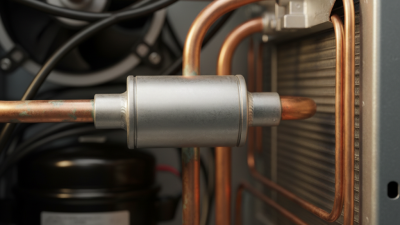
Understanding the functionality of these devices is essential. Refrigerant enters the filter dryer, where it passes through a desiccant material. This material absorbs moisture before the refrigerant circulates. However, not all filter dryers are created equal. Capacity and type of desiccant vary, impacting performance. Some may need replacement every few months, while others can last years.
Tips: Choose a filter dryer compatible with your system's requirements. Consult professionals for recommendations tailored to your needs.
Ignoring the importance of these components can lead to substantial issues. Regular maintenance and appropriate selection lead to optimal performance. In a market where efficiency matters, understanding your options is key.
How to Choose the Best Refrigerator Filter Dryer for Your Needs?
| Feature |
Description |
Importance |
Pricing Range |
| Filter Type |
Different filters available, e.g., activated carbon, sediment, etc. |
High |
$20 - $50 |
| Flow Rate |
The amount of refrigerant the filter can process per minute |
Medium |
$30 - $70 |
| Compatibility |
Ensure the dryer fits with your refrigerator model |
High |
N/A |
| Installation Method |
Ease of installation, whether it requires professional help or not |
Medium |
Free - $100 (for installation services) |
| Warranty |
Length of warranty period offered by the manufacturer |
High |
N/A |
Identifying Your Specific Cooling Needs for Filter Dryer Selection
Choosing the right refrigerator filter dryer begins with understanding your specific cooling needs. Different applications require different capacities. For instance, a small household may need a less powerful dryer than a commercial kitchen. Identify your system's size and the cooling load it must manage.
Consider the environmental conditions as well. If you operate in a humid area, a dryer that effectively removes moisture becomes crucial. Using the wrong filter can lead to inefficiencies. You might not see immediate effects, but over time, performance declines. Take the time to evaluate all operating conditions.
Always review the maintenance requirements, too. Some filters need regular replacement, while others have a longer lifespan. Assessing your workflow can save time and costs. A dependable filter dryer should integrate seamlessly into your system. Make informed choices to ensure reliability.
Comparing Different Types of Refrigerator Filter Dryers Available
When selecting a refrigerator filter dryer, understanding the different types available is essential. There are primarily two categories: continuous flow and batch systems. Continuous flow dryers ensure a steady output, ideal for busy kitchens. Conversely, batch systems can be more cost-effective but may lead to downtime during the drying process. According to industry reports, 45% of users prefer continuous systems for their reliability in high-demand environments.
Material construction also plays a crucial role. Some dryers utilize aluminum, known for its lightweight attributes. Others are made of robust stainless steel, offering durability but at a higher cost. A study indicated that stainless steel models can last up to 30% longer than aluminum counterparts. However, they may require more maintenance due to susceptibility to rust under certain conditions.
Energy efficiency is another significant factor. Many modern dryers boast energy-saving features, lowering operational costs. Statistical data shows that energy-efficient models can reduce electricity bills by 20%. Users should consider initial costs versus long-term savings. Assessing your specific needs will help identify the right type of dryer. It is crucial to ensure that the appliance aligns with your kitchen's capacity and workflow. Such reflection may reveal areas where improvements can increase efficiency.
Key Features to Consider When Choosing a Filter Dryer
When selecting a refrigerator filter dryer, key features play a significant role in ensuring efficiency and reliability. One crucial aspect is the filter’s capacity. Look for a dryer that matches your refrigerator's specifications to avoid inefficiencies. The filter should effectively remove moisture and contaminants. A well-chosen filter can enhance your refrigeration system's longevity.
Tip: Always check the micron rating of the filter. Lower micron ratings indicate finer filtration. This can significantly impact performance. A filter with a 5-micron rating may provide better protection than one rated at 10 microns.
Another important factor is the ease of replacement. Some models require complex disassembly, leading to user frustration. A design that allows for straightforward maintenance saves time and prevents potential mistakes. Consider filters that offer visual indicators of when replacement is needed.
Tip: Regularly monitor your filter's performance. Signs like decreased cooling or strange odors could indicate a filter change is necessary. Always have a plan for timely replacements to maintain optimal function.
Choosing the right filter dryer involves careful consideration of these features. Reflect on your specific cooling needs and make an informed decision based on reliable information.
Maintenance Tips for Ensuring Optimal Performance of Filter Dryers
When maintaining a filter dryer, monitoring performance is crucial for efficiency. Dirty or clogged filters can significantly reduce a system’s efficiency by as much as 30%. Regular inspections are necessary to identify signs of wear or contamination. Industry standards recommend changing filters every six months, but this could vary depending on usage conditions.
Proper installation and consistent maintenance maximize the filter dryer’s lifespan. Consider professional guidance when installing a new unit. Over-tightening connections could lead to leaks. Additionally, ensure that the dryer is protected from excessive moisture. Humidity levels exceeding 50% can lead to decreased performance and increased energy use.
Using diagnostic tools can aid in identifying issues early. These tools can measure pressure and temperature drop across the filter dryer. According to industry reports, systems that incorporate predictive maintenance techniques show a 25% decrease in unexpected failures. Managing these factors helps sustain optimal operation and efficiency.