How to Choose the Right Refrigerator Evaporator for Your Needs?
Choosing the right refrigerator evaporator is critical for optimal cooling performance. According to the Global Refrigeration Equipment Market report, proper evaporator selection can improve energy efficiency by up to 25%. This efficiency not only reduces operational costs but also enhances food preservation. The refrigerator evaporator is a vital component, affecting how well your appliance maintains temperatures.
Many consumers overlook the importance of this component. An inappropriate evaporator can lead to uneven cooling, increased energy bills, and a shorter appliance lifespan. A recent study indicated that over 30% of refrigeration system failures can be traced back to evaporator issues. Therefore, understanding the various types and their suitability for specific needs is essential.
Each refrigerator evaporator has unique features and limitations. Factors such as size, type, and environmental conditions must be considered. Selecting the right evaporator is not merely a technical decision; it requires careful thought and reflection on your specific cooling needs. The right choice will ultimately enhance your refrigerator's performance and longevity.
Understanding the Role of Refrigerator Evaporators in Cooling Systems
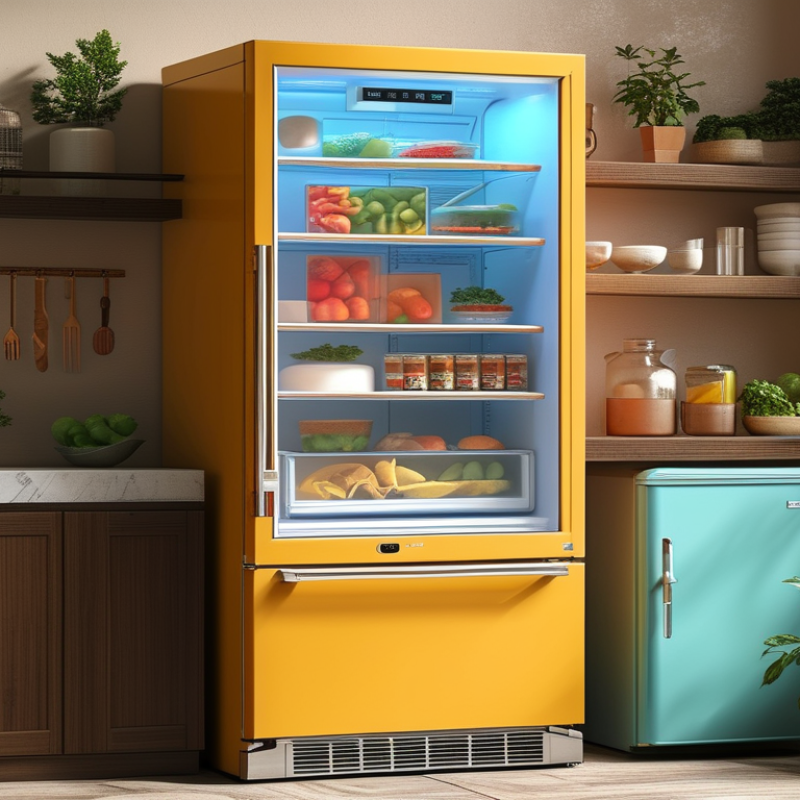
Refrigerator evaporators play a crucial role in cooling systems. They facilitate heat absorption from the interior of the refrigerator, creating a temperature drop. This process ensures food and beverages remain fresh for longer periods. A well-functioning evaporator is essential for energy efficiency as it prevents excessive energy consumption.
Selecting the appropriate evaporator involves understanding specific needs. Different models cater to various sizes and cooling requirements. Standard evaporators might not suffice for larger units. Consideration of airflow patterns is also vital. Poor airflow can lead to uneven cooling and spoilage.
Not all evaporators are created equal. Some may have higher efficiency than others. User feedback is pivotal for evaluating performance. Researching reviews and expert opinions aids in making informed decisions. The right evaporator can save costs in the long term. Yet, it is essential to balance initial investment with potential savings. A thoughtful approach can lead to better choices.
Types of Evaporators and Their Specific Applications in Refrigeration
When selecting a refrigerator evaporator, understanding the types available is crucial. There are three main types: direct expansion, flooded, and thermosiphon. Direct expansion evaporators are common in domestic refrigerators. They facilitate efficient heat exchange, making them suitable for small spaces. According to the Refrigeration and Air Conditioning Technology Institute, these systems can improve energy efficiency by up to 20%.
Flooded evaporators, on the other hand, excel in large-scale applications. They are often found in commercial settings. These systems submerge the coils in refrigerant, enhancing efficiency. Data from the U.S. Department of Energy suggests that these evaporators can help reduce operational costs significantly.
Thermosiphon evaporators work based on natural convection. They are less common but find specific applications in low-temperature refrigeration. Their design can lead to uneven cooling, which may pose challenges. Ultimately, each type has its advantages and limitations. Assessing your specific needs and understanding these nuances can guide you toward the best choice.
Key Factors to Consider When Selecting an Evaporator for Your Refrigerator
When selecting a refrigerator evaporator, consider its efficiency. A report from the Department of Energy indicates that efficient evaporators can save up to 25% on energy bills. This efficiency is critical for long-term savings. Look for evaporators with high thermal conductivity. Materials like aluminum are often preferred for their lightweight and efficient heat transfer properties.
Another factor is the evaporator's size and capacity. A unit that is too small will struggle to maintain optimal temperatures. Conversely, an oversized evaporator may lead to excessive cycling and increased wear. Industry reports show that common household refrigerators typically require evaporators with a capacity ranging from 1 to 2 cubic feet per cooling ton.
Temperature control is equally important. Opt for evaporators with advanced temperature sensors. These lower temperature fluctuations, leading to a stable environment for food storage. Some users have shared that their choice of evaporator directly impacted food preservation. Inconsistencies can result in food spoilage, which is not just a waste but also a financial loss. Understanding these key factors will lead to a more informed decision-making process.
How to Choose the Right Refrigerator Evaporator for Your Needs?
| Key Factor |
Description |
Importance Level |
| Size |
Ensure the evaporator matches the dimensions of your refrigerator. |
High |
| Type |
Choose between direct expansion, forced air, or static evaporators. |
Medium |
| Material |
Select materials that provide good thermal conductivity and durability. |
High |
| Energy Efficiency |
Consider energy-efficient models to reduce operating costs. |
High |
| Cooling Capacity |
Ensure it has the appropriate cooling capacity for your refrigerator size. |
High |
| Noise Level |
Check the noise level to ensure it operates quietly. |
Medium |
Evaluating Energy Efficiency and Performance Ratings of Evaporators
When selecting a refrigerator evaporator, energy efficiency is crucial. Look for models with high performance ratings. These ratings indicate how well the evaporator converts energy into cooling power. A more efficient evaporator saves you money on electricity bills and reduces your carbon footprint.
Tips: Check the seasonal energy efficiency ratio (SEER) for insights into performance. The higher the SEER, the better the energy efficiency. Additionally, examine the unit's noise level. Some evaporators can be surprisingly loud, impacting your comfort at home.
While focusing on efficiency, consider your specific cooling needs. Different applications require distinct evaporator designs. Restaurants may need rapid cooling, while residential models can prioritize silent operation. Balancing these elements can be challenging. It’s important to assess your space and usage patterns critically. How often do you need to adjust temperatures? Answering this can guide you toward the right choice.
Maintenance Tips for prolonging the lifespan of Refrigerator Evaporators
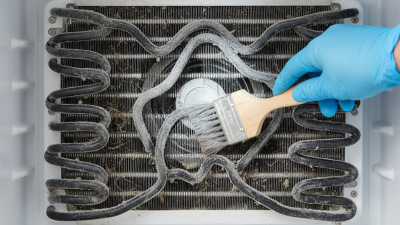
Maintaining your refrigerator evaporator is crucial for its longevity. Regular cleaning is essential to prevent dust buildup. A simple vacuum can clear the coils efficiently. Avoid using harsh chemicals that might damage the unit. Routine maintenance is often overlooked but is necessary for optimal performance.
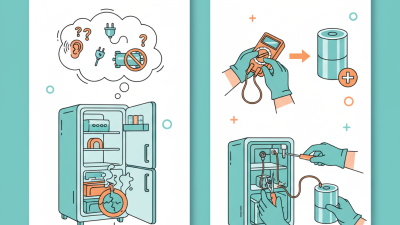
Check for any unusual noises or leaks. These signs could indicate underlying issues. If you notice frost buildup, it might mean your evaporator is working too hard. Insulating the evaporator correctly can prevent excessive moisture accumulation. It's also important to keep the area around the refrigerator clear. This facilitates airflow and helps it operate smoothly.
Inspect the drain pan regularly. A clogged drain can lead to water pooling, risking damage. Even minor water damage can create bigger problems down the line. Noticing these small details can save you from costly repairs. Every little maintenance step counts towards extending the life of your refrigerator evaporator.