How to Clean Your Refrigerator Condenser for Optimal Performance?
Cleaning your refrigerator condenser is crucial for its optimal performance. According to John Smith, a well-respected HVAC specialist, "A clean condenser can improve efficiency and extend the life of your refrigerator." Regular maintenance of the Refrigerator Condenser helps prevent energy waste and can significantly lower your utility bills.
This process may seem tedious, but it's essential. Dust and debris accumulate quickly on the coils, restricting airflow. Over time, this can lead to overheating and inefficient cooling. Many homeowners overlook this maintenance task, thinking it’s unnecessary. However, neglect can lead to costly repairs or even replacement.
Paying attention to your Refrigerator Condenser can save you money. Cleaning it once or twice a year can make a difference. Additionally, don’t hesitate to reach out to professionals if you're unsure about the cleaning process. Even small steps can have a significant impact on your appliance's performance.
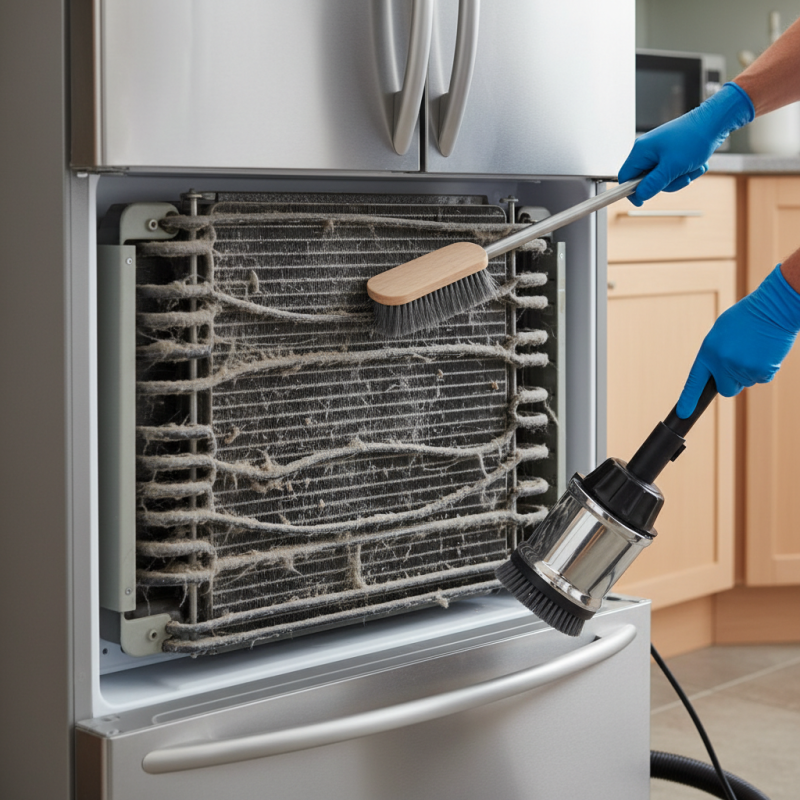
Understanding the Role of Refrigerator Condensers in Performance
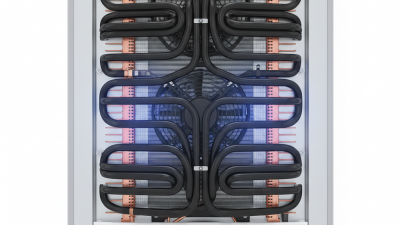
Refrigerator condensers play a crucial role in maintaining optimal performance. These components help dissipate heat from the refrigerant, allowing the cooling system to function effectively. If the condenser coils become dirty or clogged, the whole refrigeration system can suffer. Increased energy consumption and higher temperatures in your fridge are common signs of condenser issues. Regular maintenance is essential for prolonging the life of your appliance.
Tips: Start by checking your condenser coils at least twice a year. A vacuum cleaner can help remove accumulated dust and debris. If you’re in a pet-friendly home, you may need to do this more frequently. Pay attention to the location of your fridge. If it’s in a crowded space, ensure there’s enough airflow around it.
Ignoring these components can lead to inefficient cooling. This might make you think everything is fine, but underlying issues could be brewing. A well-maintained condenser can save energy and money in the long run. It can be easy to overlook this task, but regular cleaning is key to optimal performance.
How to Clean Your Refrigerator Condenser for Optimal Performance?
| Task |
Frequency |
Estimated Time (minutes) |
Tools Needed |
| Turn off refrigerator |
Before cleaning |
1 |
N/A |
| Locate the condenser coils |
Before cleaning |
2 |
N/A |
| Vacuum coils and surrounding area |
Every 6 months |
10 |
Vacuum cleaner |
| Wipe down coils with a damp cloth |
Every 6 months |
5 |
Cloth, water |
| Inspect ventilation |
Every year |
5 |
N/A |
| Reconnect the refrigerator |
After cleaning |
1 |
N/A |
Identifying the Signs of a Dirty Refrigerator Condenser
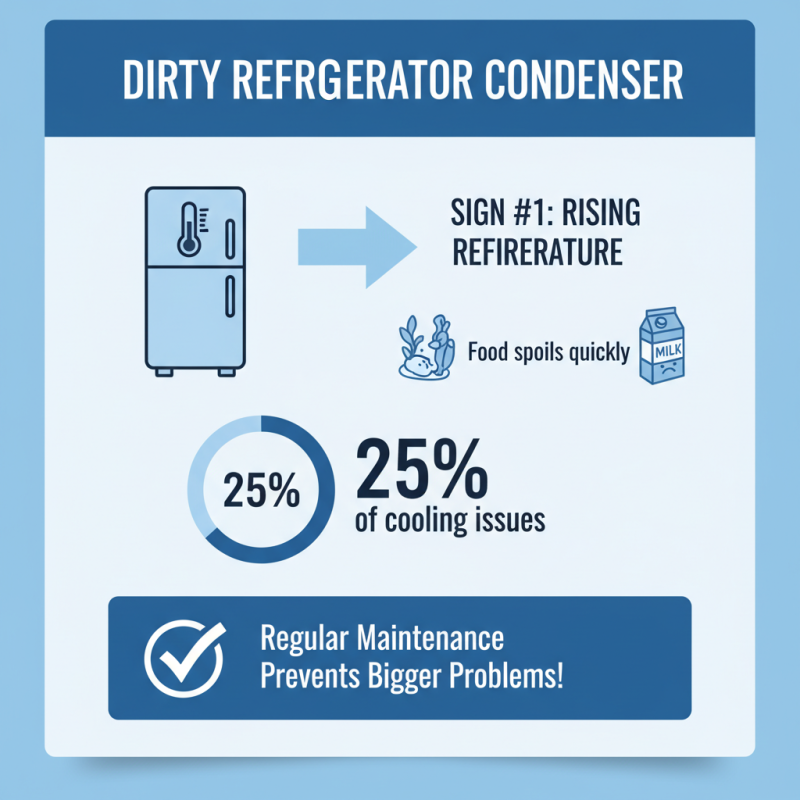
A dirty refrigerator condenser can lead to several performance issues. One of the first signs of a problem is the rising temperature inside the fridge. If your food doesn’t seem to stay fresh as long as it should, the condenser might need attention. According to industry studies, 25% of cooling issues stem from dirty condensers. This means that regular maintenance can prevent bigger problems down the road.
Another warning sign is unusual noise coming from the appliance. A properly functioning condenser should run quietly in the background. If it’s making rattling or loud buzzing sounds, something could be obstructing its functionality. A buildup of dust or lint can restrict airflow, making the system work harder. Data indicates that a unit with a clogged condenser uses up to 30% more energy. This leads to higher utility bills and unnecessary strain on the appliance.
Finally, check for physical signs, such as dust accumulation or visible debris around the coils. Neglecting these indicators can exacerbate issues, leading to breakdowns. Regular checks and cleanings can extend the life of your refrigerator. Keep in mind that not everyone remembers to perform these maintenance tasks. A little vigilance can make a significant difference in performance.
Gathering the Necessary Tools for Cleaning the Condenser
Cleaning your refrigerator condenser is crucial for maintaining its efficiency. Before diving into the task, gather the essential tools you’ll need. This ensures a smooth process and optimal performance afterward.
Start by locating a vacuum cleaner with a brush attachment. This tool will help remove dust and debris effectively. It’s also helpful to have a soft brush or cloth for more delicate areas. A can of compressed air is a great addition, as it can clear out tight spots where dirt accumulates. Don't forget gloves; they protect your hands from sharp parts.
As you prepare your tools, reflect on your cleaning habits. Many overlook the condenser, which can lead to reduced refrigerator efficiency. Make sure to schedule regular cleaning. Having the right tools makes it easier, but consistency is key. The effectiveness of these cleaning sessions may vary, so keep an open mind regarding the results. Each cleaning can reveal new areas for improvement.
Refrigerator Condenser Cleaning Frequency and Performance Impact
This bar chart illustrates the impact of different cleaning frequencies on the performance improvement of refrigerator condensers. Monthly cleaning yields the highest performance improvement, while annual cleaning offers the least benefit.
Step-by-Step Instructions to Clean Your Refrigerator Condenser
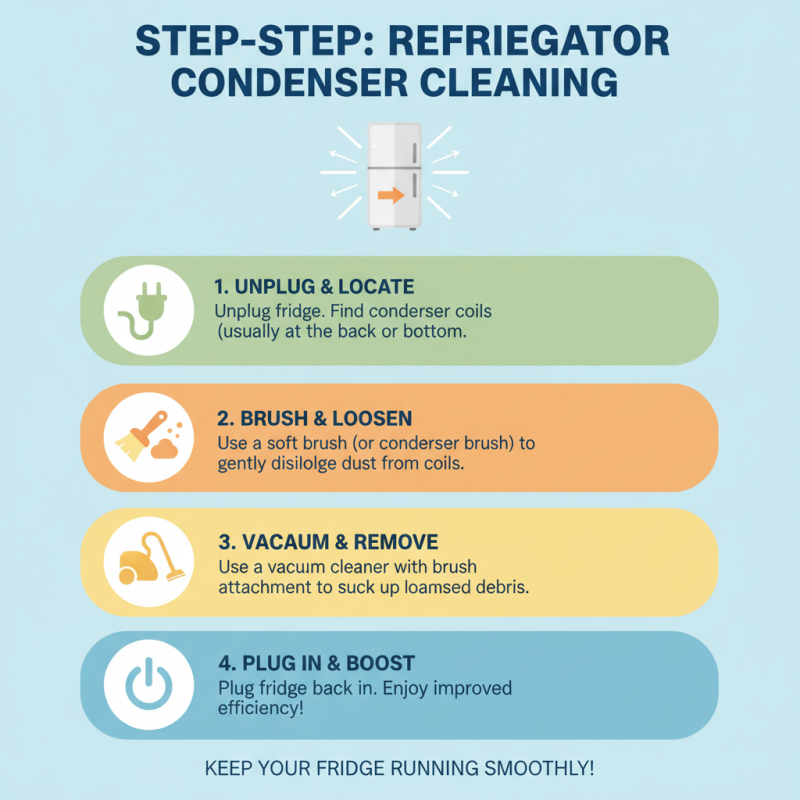
Cleaning your refrigerator condenser is vital for its efficiency. Dust and debris can accumulate on the coils, impacting performance. To keep your appliance running smoothly, follow these step-by-step instructions.
Begin by unplugging your refrigerator. Safety is crucial when handling appliances. Locate the condenser coils, usually found at the back or beneath the unit. Use a soft brush or vacuum with an attachment to remove dirt. Make sure to get into the nooks and crannies where dust tends to hide.
Inspect the coils after cleaning. They should be free of dust and grime. If they still appear dirty, consider repeating the process. Occasionally, you might need a damp cloth to wipe off stubborn spots. Regular maintenance is essential. Doing this every six months can prolong your refrigerator’s lifespan. Ultimately, if you feel overwhelmed, consult a professional. Taking care of your refrigerator’s condenser can seem daunting, yet these small tasks significantly enhance its efficiency.
Routine Maintenance Tips for Prolonging Condenser Lifespan
One of the most overlooked parts of your refrigerator is the condenser coil. Dust and debris can build up, hindering efficiency. Cleaning the condenser is crucial for optimal performance and longevity. Regular maintenance can significantly improve how your fridge works. Aim to clean your condenser every six months.
Start by unplugging your refrigerator. Use a vacuum with a brush attachment to remove dust. Pay attention to corners and hidden spots. You might be surprised at how much dirt accumulates. A simple wipe-down with a damp cloth can also help. Be cautious; avoid damaging any components.
Keep in mind, while cleaning is essential, some issues might require professional help. A dirty condenser reduces cooling efficiency, but a failing fan could also be to blame. If you notice persistent temperature issues, it's worth a deeper look. Regular upkeep will not only extend the life of your refrigerator but also ensure it runs smoothly. A little effort can go a long way.