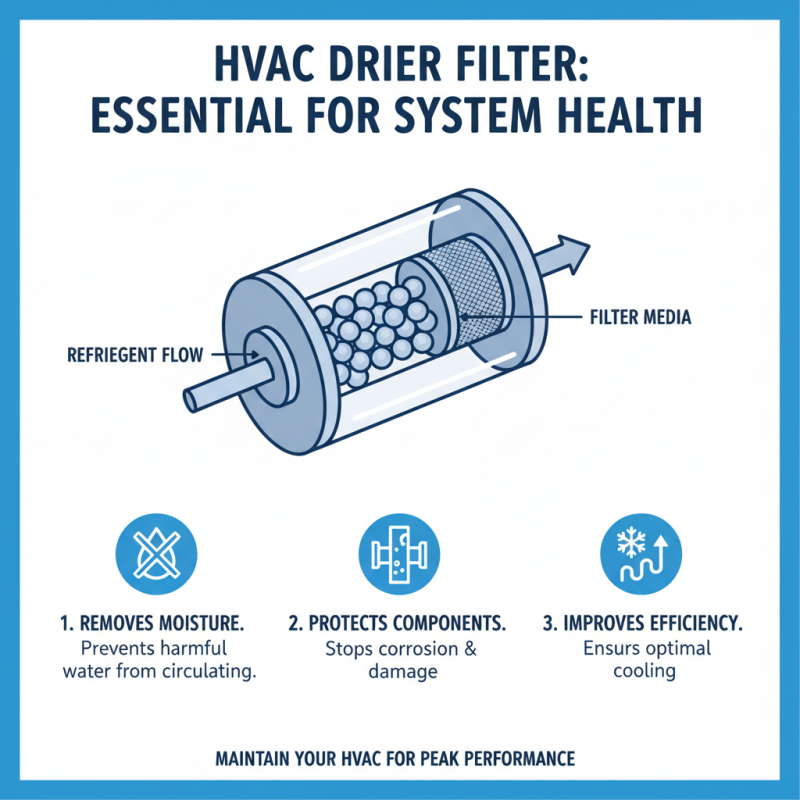
A reliable HVAC system is essential for maintaining comfortable indoor climates. One critical component of this system is the Drier Filter. This filter plays a crucial role in moisture management within the refrigerant cycle.
Moisture can cause significant damage, leading to costly repairs. The Drier Filter absorbs excess moisture and contaminants. It prevents these elements from causing corrosion and blockages. Thus, your HVAC system operates efficiently.
However, many overlook the importance of maintaining this filter. A clogged or damaged Drier Filter can lead to system failure. Reflecting on this can save homeowners from unexpected expenses. Ensuring your Drier Filter is in top shape is essential for longevity and performance.
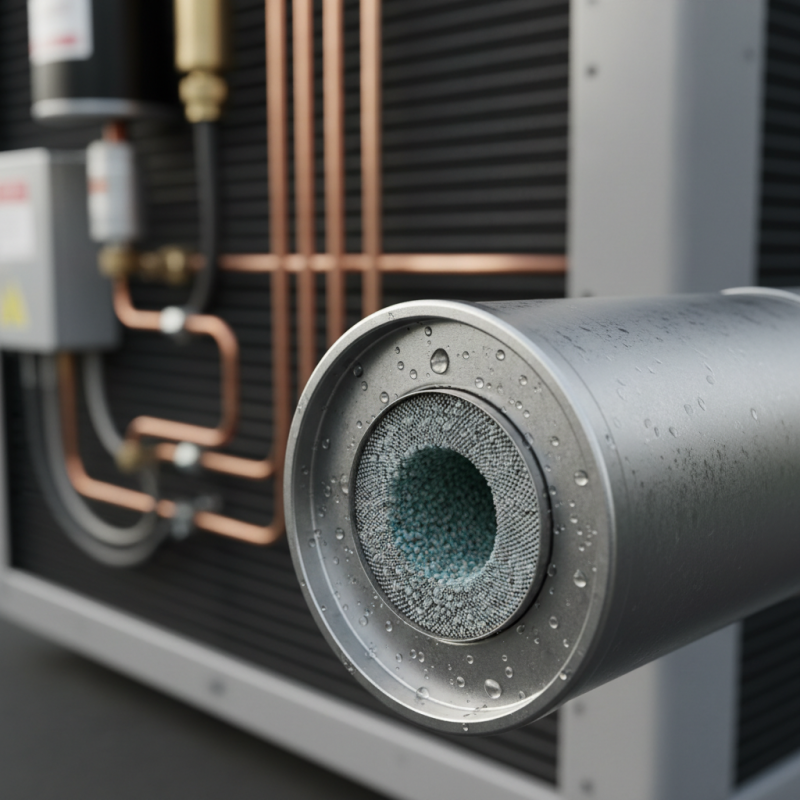
A drier filter plays a crucial role in HVAC systems. It is designed to remove moisture from the refrigerant. Moisture can cause significant damage, leading to corrosion and inefficiency. A properly functioning drier filter ensures optimal performance. It maintains a dry environment for the refrigerant, which is vital for cooling processes.
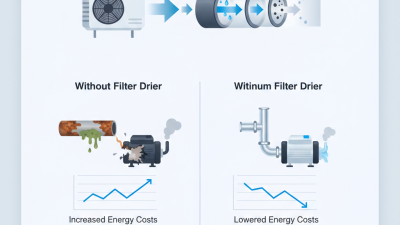
Drier filters also capture contaminants. Dust, debris, and other particles can harm the system. These contaminants can clog components and reduce efficiency. When the filter is dirty, the entire system struggles to function properly. This can lead to increased energy costs and potential breakdowns. Regular maintenance of the drier filter is essential for the longevity of the HVAC system.
Some may overlook the importance of these components. Ignoring the drier filter can result in costly repairs. The symptoms of neglect may not be immediately visible. However, the damage accumulates over time, leading to severe issues. Understanding the function of a drier filter can help users appreciate its significance in maintaining their HVAC system.
Moisture control is critical in HVAC systems. Excess moisture can lead to mold and mildew. These issues can negatively affect indoor air quality. According to the Environmental Protection Agency, mold can grow in as little as 24-48 hours. This highlights the urgency of managing humidity levels.
Drier filters help to reduce humidity. They remove moisture from the air, creating a more comfortable environment. A study by ASHRAE indicates that proper humidity control can improve energy efficiency by up to 25%. This efficiency means lower energy costs and improved equipment lifespan. However, ignoring filter maintenance can negate these benefits. Clogged filters can create resistance, leading to increased energy consumption.
In some cases, indoor humidity can exceed 60%. This is above the recommended level for comfort. It can cause discomfort and health risks. Regular checks and replacements of filters ensure proper moisture control. Keeping filters clean can help maintain optimal airflow. This small action has a big impact on overall system performance. Inadequate attention to moisture can result in long-term issues. It's essential to reflect on the importance of routine maintenance.
| Dimension | Description | Impact on HVAC System |
|---|---|---|
| Moisture Levels | Indicates the amount of water vapor in the air inside the system. | High moisture can lead to mold growth and system corrosion. |
| Filter Efficiency | Measures how effectively the drier filter removes moisture. | Higher efficiency prolongs system lifespan and reduces maintenance costs. |
| Energy Consumption | Total energy used by the HVAC system to maintain desired climate. | Excess moisture increases energy use due to strain on the system. |
| Comfort Level | Overall satisfaction with indoor climate conditions. | Proper moisture control enhances overall occupant comfort. |
| Maintenance Frequency | How often the HVAC system requires servicing. | Proper moisture management can reduce frequency of service calls. |
A drier filter is a crucial component of your HVAC system. It captures moisture and contaminants from the refrigerant. This prevents damage to the system. A well-functioning drier filter enhances efficiency. It allows your HVAC system to run smoothly, without interruptions.
Moisture in the system can lead to corrosion. It can also cause the refrigerant to break down. Both issues can significantly shorten the lifespan of your HVAC. Regularly replacing your drier filter can help avoid these problems. Aim for at least once a year, depending on your system's usage.
**Tip:** If the air is less cool than usual, inspect the filter. A clogged filter could mean lower efficiency.
The benefits of a drier filter extend beyond basic functionality. A clean filter reduces the energy costs associated with running your HVAC. You also minimize potential failures, which can lead to costly repairs. Consider scheduling maintenance checks. Being proactive can save time and money in the long run.
**Tip:** Cut back on humidity in your home. It helps maintain your filter's effectiveness.
The chart above illustrates the significant improvement in HVAC system efficiency before and after the installation of a drier filter. The use of a drier filter can increase system efficiency from 60% to 90%, demonstrating its essential role in enhancing overall performance and longevity of HVAC systems.
A malfunctioning drier filter can lead to various issues within your HVAC system. These filters play a crucial role in removing moisture and contaminants. When they break down, excess moisture builds up. This can cause corrosion within the system's components.
Another common problem is restricted airflow. A clogged filter cannot let air pass freely. This strain can lead to overheating of the compressor. Eventually, this may result in costly repairs or even a complete system failure. Regular maintenance can prevent these issues, yet many neglect this important aspect.
Ignoring a faulty drier filter can also affect air quality. Dust and allergens may circulate in your home. People with allergies could suffer more frequently. Simple tasks like checking and replacing the filter can greatly improve overall HVAC performance. It's essential to be proactive rather than reactive in addressing these concerns.
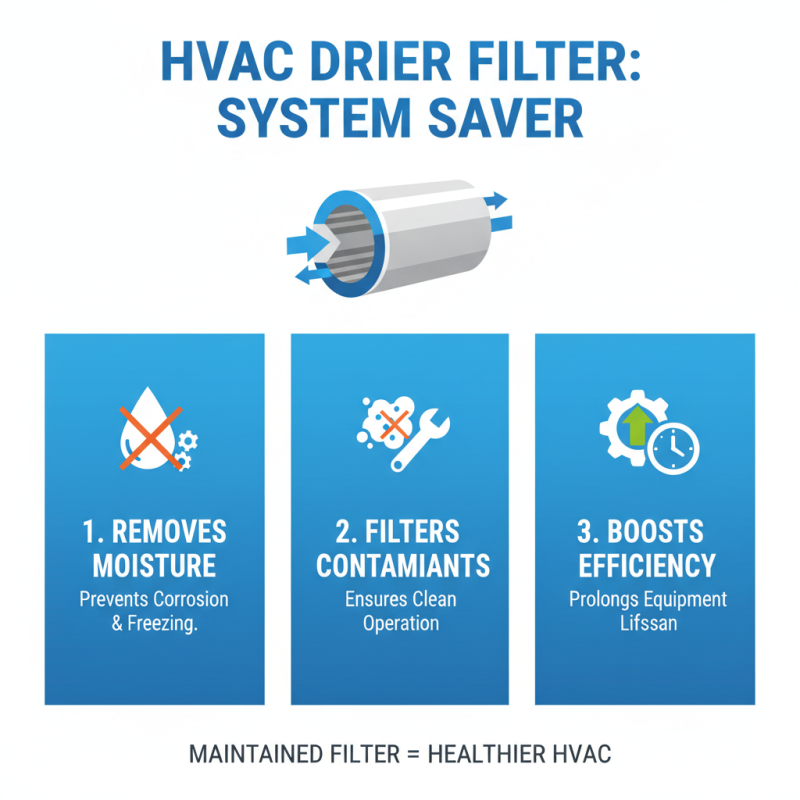
The drier filter plays a crucial role in any HVAC system. It removes moisture and contaminants from the refrigerant. This helps prevent corrosion and freezing in the system. A well-maintained drier filter ensures efficient operation and prolongs equipment lifespan.
Regular maintenance is key. Inspect the drier filter at least once a year. Replace it when you notice signs of wear or clogging. Some filters may need changing more often in humid climates. Poor maintenance can lead to larger system issues, which can be costly.
Keep an eye on the pressure readings. Abnormal levels can indicate a problem. Be aware of any increase in energy consumption; this might hint at a failing filter. Reflect on your maintenance routine. Are there areas for improvement? Implementing a checklist can help ensure nothing is overlooked during routine checks.