10 Essential Tips for Maintaining Your Refrigerator Evaporator
Keeping a refrigerator in top shape is essential for food preservation. One critical component of this system is the "Refrigerator Evaporator." It plays a vital role in cooling your food effectively. Neglecting maintenance can lead to costly repairs and food spoilage.
Regular checks on the evaporator can prevent ice buildup. This buildup can drain your refrigerator's efficiency. Consider cleaning the coils and ensuring proper airflow. You'll find that small efforts yield significant benefits.
Pay attention to strange noises or unusual temperatures. These signs can indicate issues with the evaporator. Timely interventions can lead to smoother operations. Remember, a well-maintained evaporator enhances longevity. Regular care can save you time and money in the long run.
Understanding the Role of the Refrigerator Evaporator in Food Preservation
The refrigerator evaporator plays a crucial role in food preservation. It absorbs heat from the refrigerator's interior, keeping food at safe temperatures. When functioning well, it can significantly extend the freshness of produce, meats, and dairy. According to industry data, the optimal temperature for food storage is between 32°F and 40°F. Maintaining this temperature can prevent bacteria growth, reducing food spoilage by up to 50%.
To ensure the evaporator operates efficiently, regularly clean the coils. Dust and debris can impede functionality. A clean evaporator coil can improve energy efficiency by 30%, leading to lower utility bills. Monitor the temperature inside your refrigerator frequently. If temperatures drift higher than 40°F, check for frost build-up or airflow blockages.
Another important tip is to avoid overloading your refrigerator. Overcrowded shelves can restrict airflow, causing uneven cooling. Items should be spaced out for optimal air circulation. Remember, a malfunctioning evaporator could lead to food waste—not to mention costly repairs. Regular checks can save both food and money in the long run.
Common Signs of Evaporator Issues and When to Act
A refrigerator's evaporator plays a crucial role in maintaining optimal cooling. Recognizing the common signs of evaporator issues can help you avoid breakdowns. One prevalent issue is frost buildup. If you see excessive frost in the evaporator coil, it likely indicates a problem. Poor airflow can cause this, leading to inefficient cooling. Cleaning or replacing the air filter might solve it, but don’t ignore the signs.
Another warning sign is unusual noises. If your refrigerator starts making strange sounds, it may signal that the evaporator fan is failing. This can lead to uneven cooling and spoilage of food. Addressing this promptly is essential. Check for obstructions near the fan. If all else fails, it may be time to call a technician to inspect the unit.
Finally, keep an eye on the refrigerator's temperature. If it fluctuates, the evaporator may not be functioning properly. Use a thermometer to verify the temperature inside. If it’s consistently too warm or too cold, consider checking the evaporator. Timely action can save you from more costly repairs later on. Noticing these issues early allows for better maintenance and can extend the life of your appliance.
Step-by-Step Guide to Cleaning Your Refrigerator Evaporator Efficiently
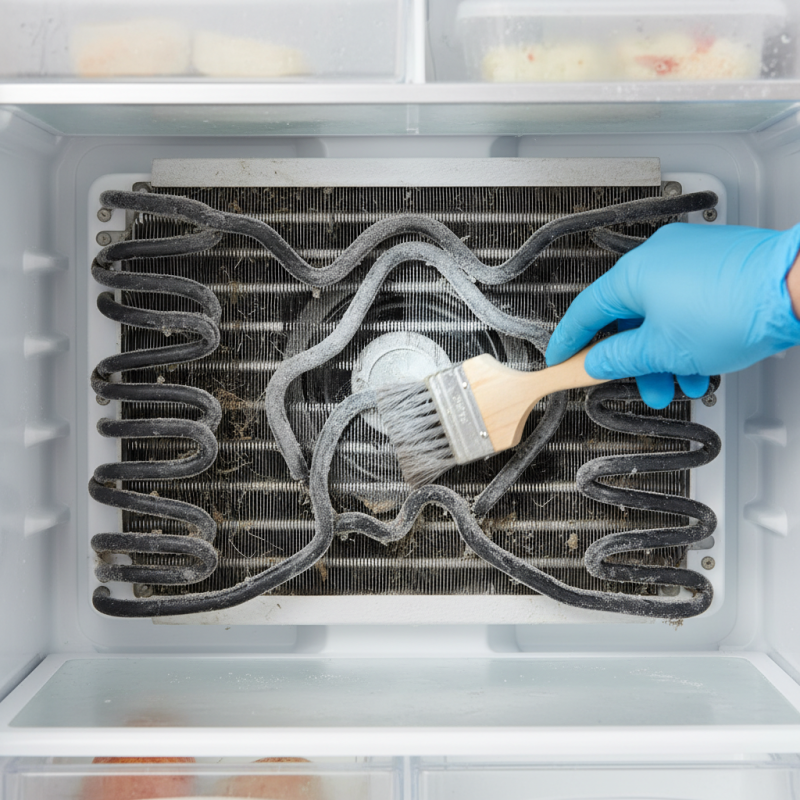
Cleaning your refrigerator evaporator is crucial for effective cooling. It's often overlooked, but dirt can accumulate quickly. This can lead to inefficient performance and increased energy bills. Start by unplugging your refrigerator to ensure safety.
Next, locate the evaporator. It's usually behind a cover at the back of the fridge. Remove any visible dust or debris. A soft brush can help you reach tight corners. Use a mixture of warm water and mild soap for deeper cleaning. Be gentle; you don’t want to damage the components.
Consider regular maintenance. Check the evaporator every few months. This can prevent buildup. If your fridge isn’t cooling well, inspect it sooner. Keep an eye on condensation, as excess moisture can signal problems. Remember, a well-maintained evaporator extends the life of your refrigerator.
Recommended Temperature and Humidity Levels for Optimal Evaporator Function
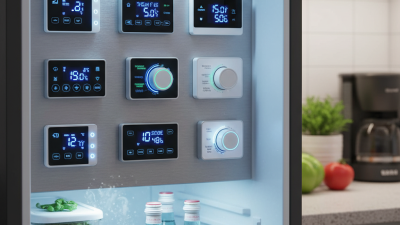
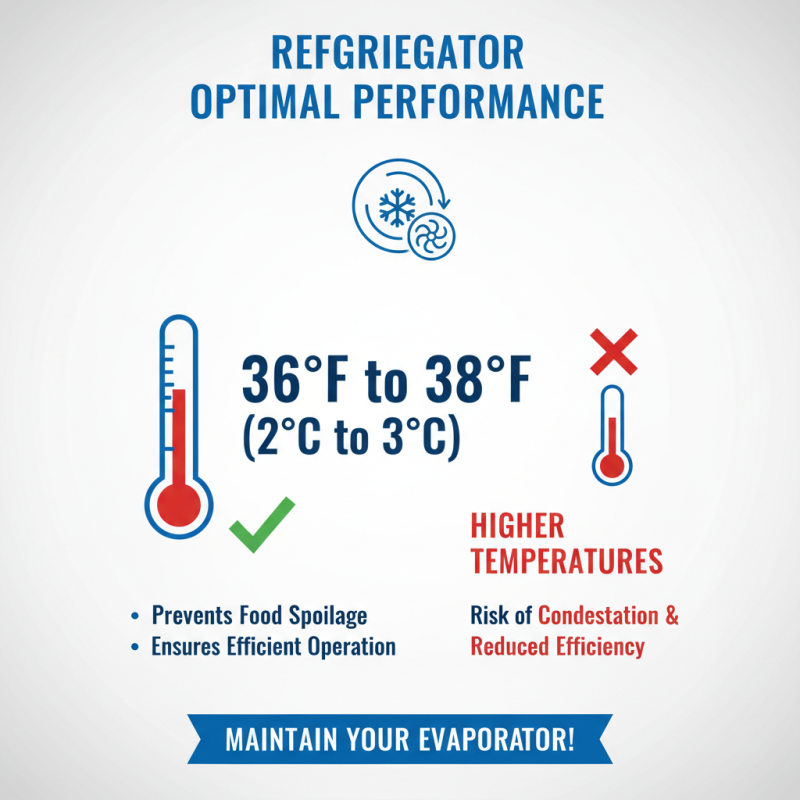
Maintaining your refrigerator's evaporator is crucial for optimal performance. Recommended temperature settings range from 36°F to 38°F (around 2°C to 3°C). Keeping the unit at this range prevents food spoilage and ensures efficient operation. Higher temperatures can lead to condensation, which may affect the evaporator's functionality.
Humidity levels also play an essential role. Ideal humidity for a refrigerator evaporator should be between 30% and 50%. Excess moisture can cause frost buildup. This buildup interferes with the heat exchange process, leading to reduced cooling efficiency. Regularly check humidity levels, especially in spaces with fluctuating temperature conditions.
Poor maintenance often leads to system inefficiencies. If the temperature or humidity is not monitored, ice might form on the evaporator coils. This not only decreases cooling effectiveness but could also increase energy consumption. Neglecting airflow can result in uneven temperature distribution, creating pockets where food spoils faster. Keeping the evaporator clean and adjusting settings accordingly is vital for long-term performance.
Preventative Maintenance Practices to Extend Evaporator Lifespan
Maintaining your refrigerator evaporator is crucial for optimal performance. Regularly check the evaporator coils for dust and debris. Cleaning them can improve efficiency. Use a soft brush or vacuum attachment. This simple action can prevent ice buildup. Ice restricts airflow, leading to higher energy costs.
Monitor the temperature settings carefully. Too low can cause frost, while too high may spoil food. Keep an eye on the defrost timer. A malfunctioning timer can shorten the evaporator lifespan. If you notice unusual sounds, investigate. It may indicate a more serious issue developing.
Airflow is vital for a healthy evaporator. Ensure that vents inside are not blocked. Overcrowding can limit circulation. Consider reorganizing items in your fridge. Occasionally, check the door seals for damage. A broken seal can let warm air in, stressing the evaporator. Neglecting these details may lead to costly repairs later.