Leave Your Message

Essential Heat Pump Filter Drier Maintenance Tips for Buyers

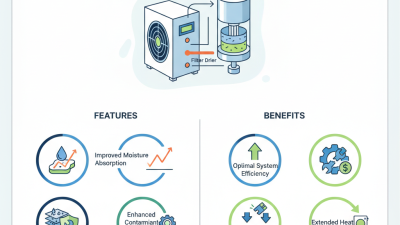
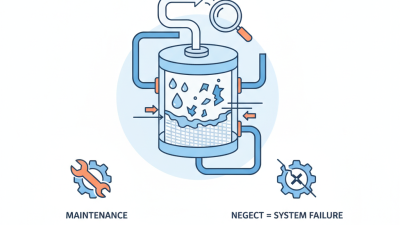
Maintaining a Heat Pump Filter Drier is crucial for optimal performance. This component helps in removing moisture and contaminants from the refrigerant, ensuring efficiency and longevity. Without proper care, issues can arise, leading to costly repairs. Understanding these maintenance tips is essential for buyers.

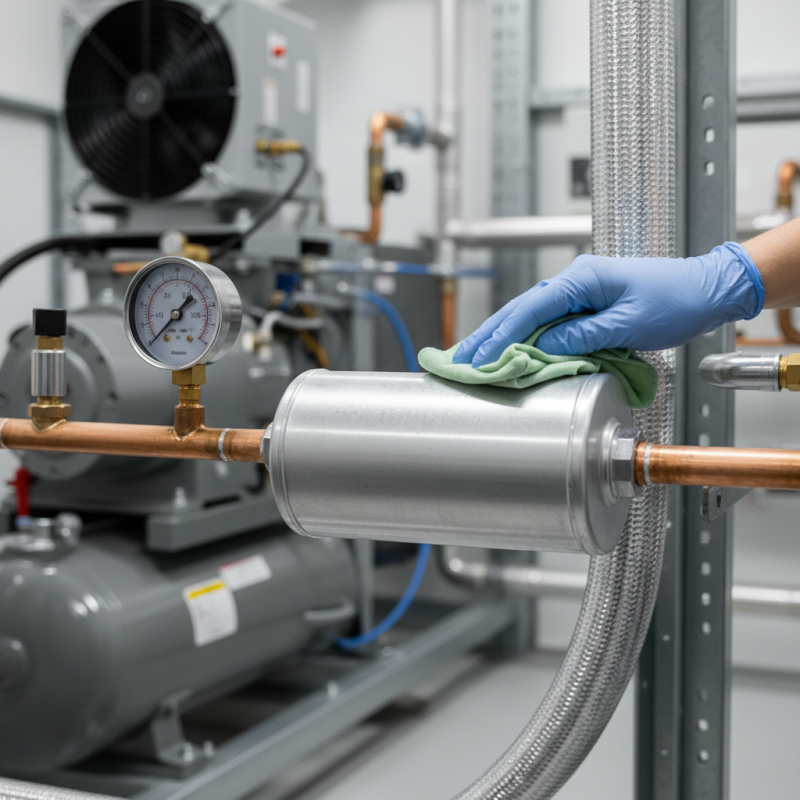
Regular inspection of the Heat Pump Filter Drier can prevent problems. Look for signs of wear and tear. Ensure that it is free from debris. This simple check can enhance the system’s overall efficiency. It’s surprising how often minor issues go unnoticed until they become significant.

Buyers should also consider professional maintenance. Engaging expertise can uncover underlying issues. Experts know the best practices to extend the life of your system. Relying solely on DIY fixes may lead to oversights. Taking the time to prioritize this maintenance is not just a good idea; it’s essential for your system’s health.
Essential Heat Pump Filter Drier Maintenance Tips for Buyers

Understanding the Function of Heat Pump Filter Driers

Essential Heat Pump Filter Drier Maintenance Tips for Buyers

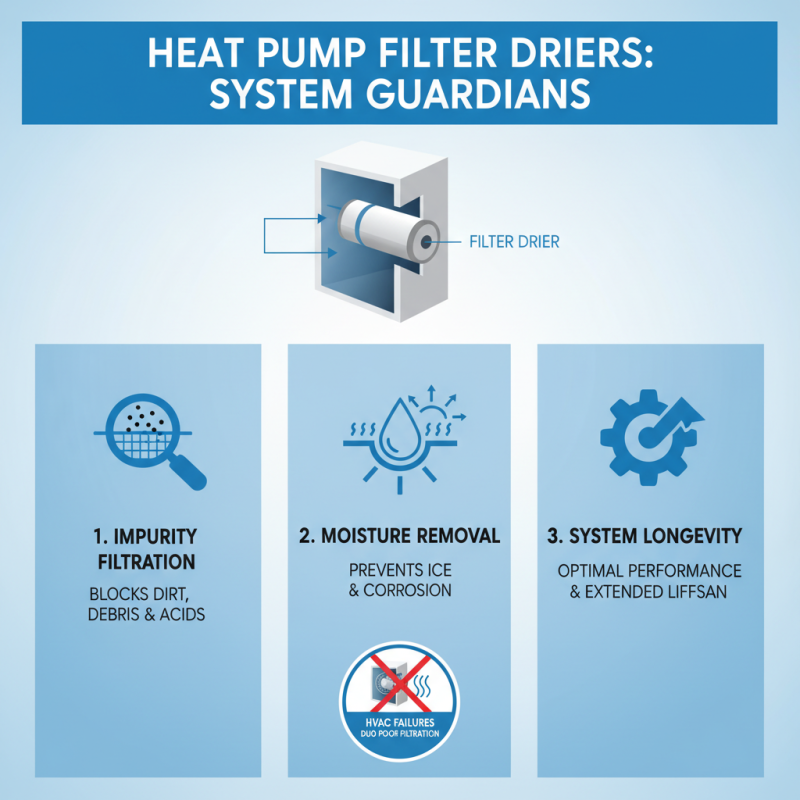
Heat pump filter driers play a crucial role in maintaining HVAC systems. They filter impurities and moisture, essential for optimal performance. A clear understanding of their function can enhance the longevity of your heat pump. According to industry data, nearly 30% of HVAC failures are linked to poor filtration and moisture control.

Proper maintenance of filter driers ensures efficiency. When a filter drier is clogged or malfunctioning, it can lead to reduced cooling or heating. Regular checks can prevent this. Experts recommend changing the filter drier every two to five years, depending on usage. Additionally, keeping the area around the unit clean helps prevent dust and debris buildup.

Here are some tips for maintaining your heat pump filter drier. Inspect it regularly for any signs of leaks or damage. Pay attention to unusual noises or reduced airflow, as these may indicate a problem. Consider recording maintenance dates to keep track of when replacements are due. These measures can help ensure your heat pump operates efficiently and effectively over time.
Common Signs of Filter Drier Issues in Heat Pumps

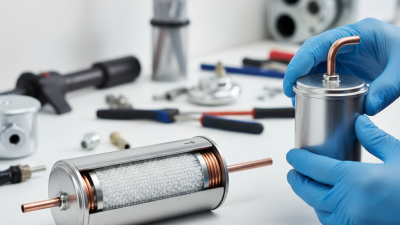
Heat pumps are essential for maintaining comfort in your home. However, filter driers can experience issues over time, leading to reduced efficiency. Recognizing common signs of filter drier problems can save you from costly repairs.

One clear sign is poor airflow. If you notice weak airflow from your vents, it may indicate a clogged filter drier. This might seem minor, but ignoring it can result in bigger issues. Another red flag is strange noises from the unit, such as hissing or rattling. These sounds often signal refrigerant leaks or internal blockages.

Remember to check the filter drier regularly. Replacing filters periodically can prevent many issues. Clean the surrounding area to ensure proper airflow. Moreover, consider professional servicing annually. Experts can identify minor problems early before they escalate. While DIY maintenance is important, some tasks may require a professional touch to ensure everything runs smoothly.

Step-by-Step Maintenance Procedures for Your Filter Drier

Maintaining your filter drier is crucial for optimal heat pump performance. Follow these simple steps to ensure efficiency. Start by visually inspecting the unit for any signs of wear or debris. A clean filter drier reduces strain on the system and enhances longevity. This process takes only a few minutes. Remember, neglecting build-ups can lead to larger problems.

Once you’ve checked for external damage, focus on the internal components. If you’re comfortable, detach the filter drier. Look for discoloration or any unusual particles. If you notice anything out of the ordinary, it may need replacing. Keep in mind that not every sign is obvious, and what seems minor could indicate future issues.

Don’t forget to document each maintenance session. Write down dates and any changes observed. This record can be invaluable for future troubleshooting. Being proactive helps avoid unexpected breakdowns. Maintenance isn’t just about fixing; it’s about understanding your system better. Remember, every unit has its quirks, and being attuned to them will enhance its performance.

Essential Heat Pump Filter Drier Maintenance Tips

Best Practices for Replacing a Heat Pump Filter Drier

When replacing a heat pump filter drier, attention to detail is essential. Start by ensuring the system is turned off. Safety is your top priority. Next, locate the filter drier within the refrigerant circuit. Typically, it’s placed near the compressor or evaporator. Proper identification of the component is crucial for a successful replacement.

Remove the old filter drier with care. Use appropriate tools to avoid damaging the nearby pipes. Leaks can occur if proper handling is neglected. After removal, install the new filter drier. Ensure the refrigerant lines are clean to prevent contaminants from entering the system. Tighten connections securely but avoid overtightening, which can lead to cracks.

Once installed, it's vital to test the system for proper operation. Monitor for unusual noises or refrigerant leaks. Inspecting the filter drier regularly after replacement can help maintain system efficiency. Sometimes, issues don’t present themselves immediately. Reflecting on these details can ensure a long-lasting and effective heat pump performance.

Essential Heat Pump Filter Drier Maintenance Tips for Buyers - Best Practices for Replacing a Heat Pump Filter Drier

Maintenance Tip Description Frequency Signs of Replacement Needed Best Practice
Inspect for Blockages Check for any signs of obstructions in the filter drier. Monthly Reduced airflow, increased noise Clean or replace filter if blockages are detected.
Check Refrigerant Levels Ensure that the refrigerant is at optimal levels. Bi-annual Inefficient heating/cooling, hissing sound Contact a professional for any adjustments.
Replace Filter Drier Remove the old filter drier and install a new one. Every 2-3 years Visible corrosion, moisture presence Always replace with an OEM part.
Maintain System Cleanliness Keep the area around the heat pump clean and free from debris. Seasonal Poor performance, visible dirt buildup Regularly schedule cleaning and servicing.
Monitor Temperature Changes Keep track of any unusual changes in temperature output. Monthly Inconsistent heating/cooling Report issues promptly to a technician.

Tips for Choosing the Right Filter Drier for Your Heat Pump

Essential Heat Pump Filter Drier Maintenance Tips for Buyers

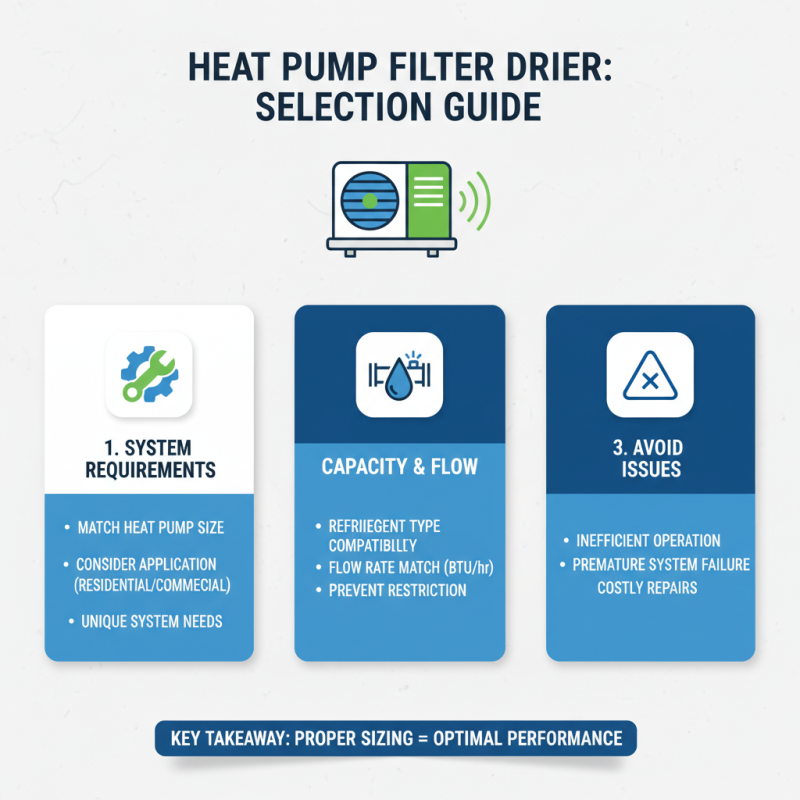
Choosing the right filter drier for your heat pump is crucial. Make sure to consider the specific requirements of your system. Each heat pump has unique needs based on its size and application. A filter drier's capacity should match the refrigerant flow requirements. Incorrect sizing can lead to inefficiency and potential system failures.

Look for quality construction and materials when selecting a filter drier. A poorly made filter can fail quickly, leading to costly repairs. Check for reliable seals and durable components. Some manufacturers offer detailed specifications that outline their products’ performance, so do your homework.

Maintenance is often overlooked. Regular checks can prevent issues down the line. You might find that filter driers can clog or degrade with time, affecting airflow. Remember, not all filters are created equal. Some may not trap moisture effectively. Research and consult experts if you feel uncertain about your choice. It’s important to find a solution that enhances your heat pump's efficiency and longevity.