What is a Liquid Line Filter Drier and How Does it Work?
The Liquid Line Filter Drier is a crucial component in HVAC systems. It ensures that refrigerants remain clean and dry, promoting efficiency. John Smith, an industry expert, once said, "A well-functioning Liquid Line Filter Drier is the heart of a cooling system." His insight emphasizes the importance of this device.
In essence, the Liquid Line Filter Drier removes moisture and contaminants from the refrigerant line. Without it, the system may suffer severe damage. Dirty refrigerants can cause blockages, leading to costly repairs. One might overlook the significance of this component, thinking it is just another part.
However, neglecting the Liquid Line Filter Drier can result in operational failures. It’s essential to recognize its role in system longevity. While many focus on compressors and evaporators, the filter drier deserves attention. A small oversight can lead to large consequences. In the end, understanding the Liquid Line Filter Drier is vital for optimal HVAC operation.
What is a Liquid Line Filter Drier?
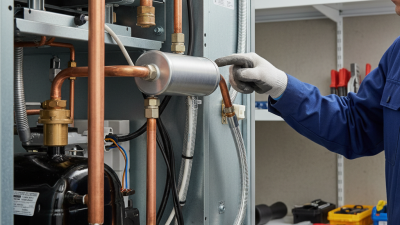
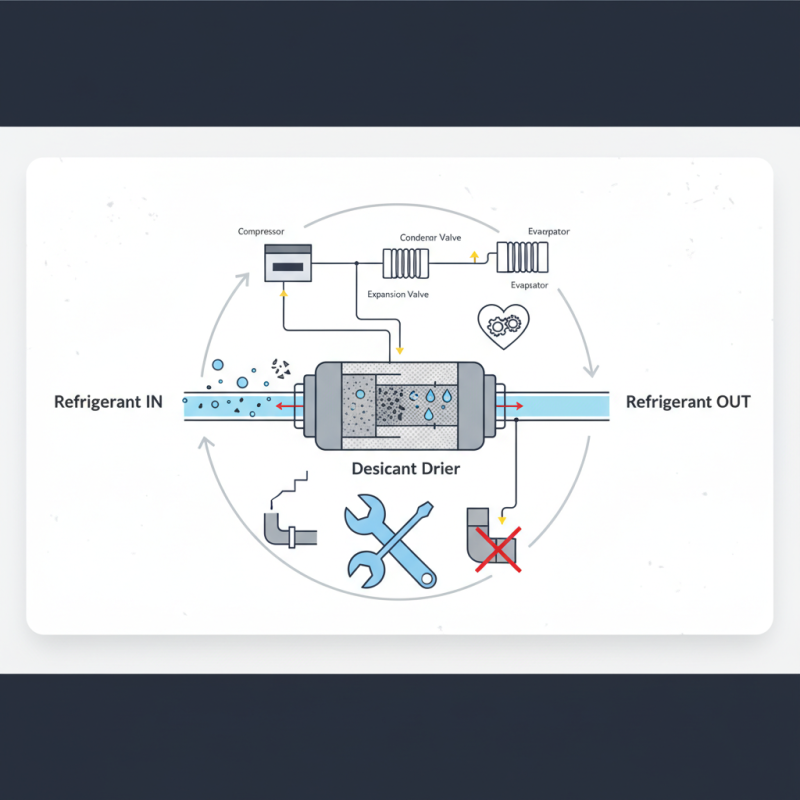
A liquid line filter drier is an essential component in refrigeration systems. It serves to clean and dry the refrigerant before it enters the expansion valve. This unit ensures that moisture and contaminants do not damage sensitive system components. In essence, it acts as a safeguard, protecting the integrity of the cooling system.
The filter drier contains a desiccant material that absorbs moisture from the refrigerant. As the liquid refrigerant passes through, any dirt or debris is trapped inside the filter. This process is vital for maintaining the system's efficiency. A clogged filter drier can lead to inefficient operation and potential system failure, which is a costly problem for many.
Installation and maintenance of a liquid line filter drier require careful consideration. Choosing the correct size and type is crucial. Over time, these units need to be replaced or serviced to ensure continuous performance. If neglected, contaminants may build up, leading to potential breakdowns. Regular checks can prevent larger issues, fostering a more reliable refrigeration system.
Components and Construction of a Liquid Line Filter Drier
A Liquid Line Filter Drier is essential in HVAC systems. It removes impurities and moisture from the refrigerant. This process helps maintain efficiency and prevents damage to components.
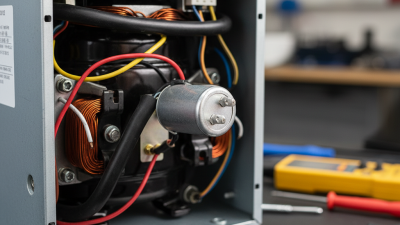
Typically, the filter drier consists of three key parts: a filter, a drying agent, and a shell. The filter captures debris and particles. It is usually made of metal or plastic. The drying agent, such as silica gel or activated alumina, absorbs moisture effectively. The shell contains all these elements securely.
Tips: Keep the filter clean. Regular maintenance prolongs the drier’s lifespan. Pay attention to any unusual noises or changes in performance.
In some cases, the filter may become clogged. This can lead to reduced system efficiency. Sometimes, it may be necessary to replace the whole unit. Be proactive in checking for signs of wear. It can save time and money in the long run.
How Liquid Line Filter Driers Function in Refrigeration Systems
In refrigeration systems, liquid line filter driers play a crucial role. They are primarily designed to remove moisture and contaminants from refrigerants. Moisture and debris can cause significant issues in cooling systems. According to industry reports, over 30% of system failures are due to moisture-related problems.
Liquid line filter driers function by utilizing a desiccant that absorbs moisture. This desiccant material can hold several times its weight in water. As refrigerant flows through the system, it passes through the filter drier. Here, unwanted particles and moisture are trapped. Studies indicate that maintaining clean refrigerants can improve system efficiency by nearly 20%. This is especially important as energy costs continue to rise.
However, filter driers are not infallible. Regular maintenance is needed to ensure they work effectively. Over time, the desiccant can become saturated, and that can lead to a breakdown. Many professionals recommend replacing filter driers every few years, but some systems may require more frequent changes. Identifying signs of a failing filter drier, like fluctuating pressures, can save time and money. Ignoring these signs can lead to larger, costly repairs.
Importance of Filter Driers in HVAC Applications
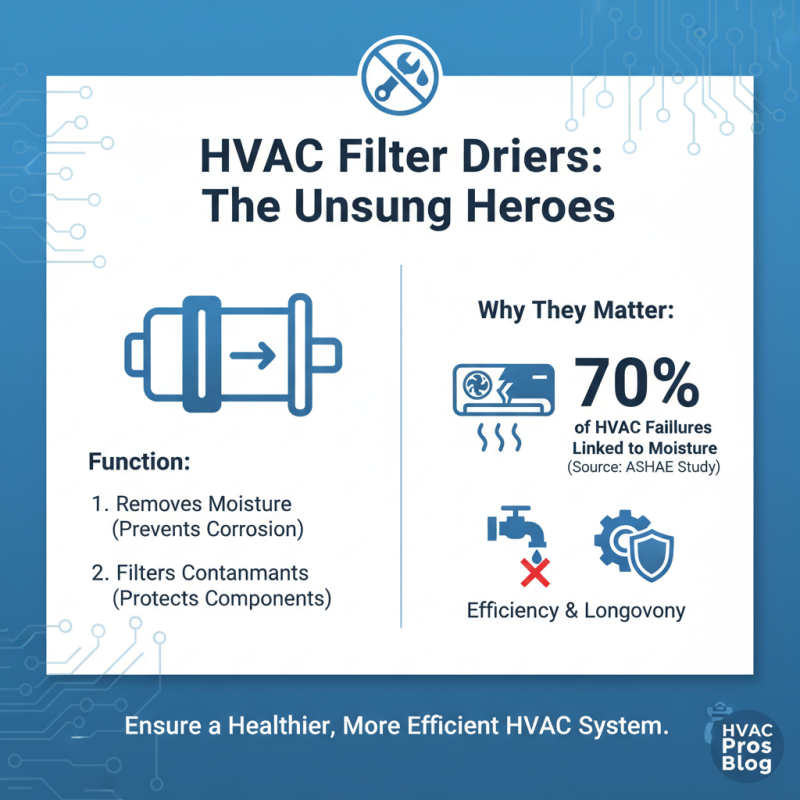
Filter driers play a crucial role in HVAC systems. They ensure efficiency and longevity by removing moisture and contaminants from refrigerants. According to the American Society of Heating, Refrigerating and Air-Conditioning Engineers (ASHRAE), excessive moisture can cause corrosion and damage. In fact, a study showed that 70% of HVAC failures are linked to moisture issues.
The functioning of a liquid line filter drier hinges on its core components. Desiccants within the drier absorb moisture. These materials may lose effectiveness over time. Some studies suggest that driers can become saturated after just a few years of use. Regular maintenance is vital. Technicians must inspect and replace filter driers as needed to prevent system inefficiencies.
Statistics indicate that HVAC systems with functioning filter driers can observe a 15% increase in efficiency. However, if a drier clogs, the entire system can suffer. A poorly maintained drier can lead to compressor failure, adding significant repair costs. Even though many understand the importance of a filter drier, some overlook it during routine check-ups. Neglect often leads to bigger issues down the line.
Maintenance and Replacement of Liquid Line Filter Driers
Liquid line filter driers play a crucial role in HVAC systems. They remove moisture and contaminants from the refrigerant. According to industry data, nearly 80% of compressor failures stem from contaminants. Therefore, maintaining the integrity of filter driers is vital for system efficiency.
Regular maintenance can extend the lifespan of these components. It's advisable to check them every six months. Some professionals recommend replacing a filter drier every two to five years, depending on system usage. If a system is charged improperly, the filter may become saturated quicker. This highlights the need for thorough inspections.
Signs of a failing filter drier include inconsistent cooling and unusual noises. These issues might indicate that it’s time for a replacement. An HVAC system operates at its best when all parts function harmoniously. Thus, neglecting filter drier maintenance can lead to bigger problems down the line. Be proactive and ensure your systems are running smoothly.
What is a Liquid Line Filter Drier and How Does it Work? - Maintenance and Replacement of Liquid Line Filter Driers
| Feature |
Details |
| Function |
Removes moisture and debris from refrigerant line |
| Components |
Filter media, desiccant, and a pressure drop indicator |
| Maintenance |
Regular inspection and replacement every 1-3 years |
| Signs of Failure |
Increased system pressure, ice buildup, and unusual noises |
| Replacement Procedure |
Turn off system, recover refrigerant, replace filter drier, and recharge |