Why Do You Need an HVAC Filter Drier for Your System?
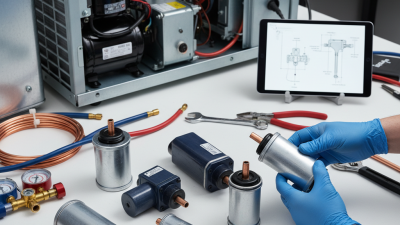
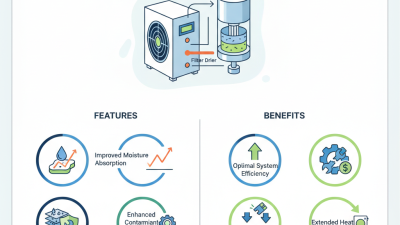
When it comes to HVAC systems, understanding the role of a filter drier is crucial. John Smith, an HVAC specialist with over 15 years of experience, emphasizes its importance: “A proper HVAC Filter Drier keeps your system running efficiently and extends its lifespan.” This device plays a vital role in removing moisture and contaminants from refrigerants.
Moisture can lead to severe damage within your system. It can cause corrosion and reduce efficiency. An HVAC Filter Drier protects the compressor and other components. Inadequate filtration may seem like a minor issue, but it can escalate into costly repairs. System owners often underestimate its value, resulting in unexpected breakdowns.
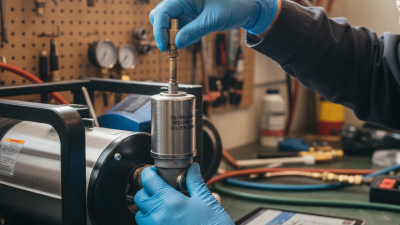
Being proactive with maintenance is key. Regularly replacing your filter drier can prevent larger issues down the line. Yet, many overlook this component’s significance. Ignoring it often results in system inefficiencies and shortened lifespan. Paying attention to your HVAC Filter Drier could save you money and hassle in the long run.
Understanding the Role of HVAC Filter Driers in Cooling Systems
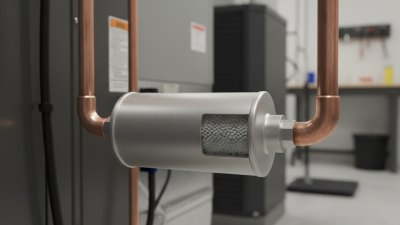
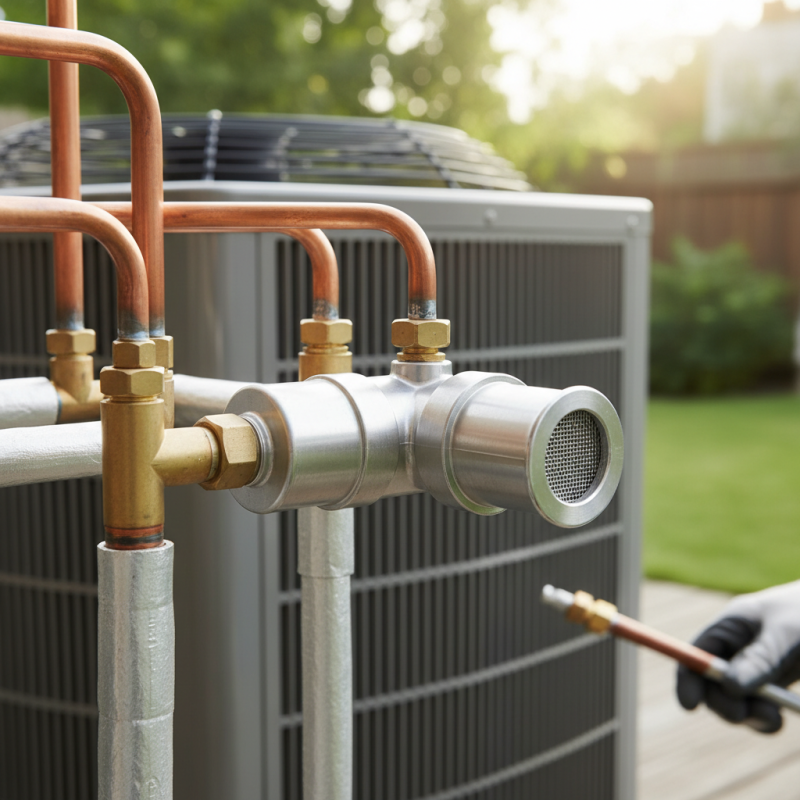
HVAC filter driers play a crucial role in maintaining the efficiency of cooling systems. They function by removing moisture and contaminants from refrigerants, ensuring clean operation. According to the Air Conditioning Contractors of America (ACCA), moisture in the refrigerant can lead to corrosion and system failure, costing homeowners thousands in repairs. An effective filter drier can help prevent these issues, significantly extending the life of an HVAC system.
In addition, filter driers contribute to energy efficiency. The U.S. Department of Energy reports that clean systems operate up to 30% more efficiently. This efficiency gain translates into lower energy bills and a reduced carbon footprint. However, not all systems are equipped with high-quality filter driers. Some units come with subpar components, leading to potential failures. Regular maintenance and monitoring are necessary to identify these weaknesses.
It's essential to understand the impact of not having a filter drier. Without one, systems may have inadequate refrigerant flow. This can lead to inconsistent cooling and increased operational stress. Ultimately, HVAC performance deteriorates. System owners should evaluate their equipment regularly and assess the state of their filter driers. Ignoring this aspect can result in long-term consequences.
Key Functions of HVAC Filter Driers in Moisture and Contaminant Control
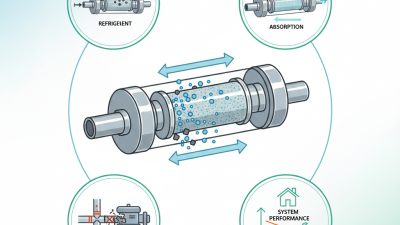
An HVAC filter drier plays a crucial role in maintaining the efficiency of your heating, ventilation, and air conditioning system. One of its key functions is to remove moisture from the refrigerant. Moisture can lead to corrosion and diminish the performance of the system. The filter drier absorbs these moisture particles, ensuring that your HVAC unit runs smoothly and efficiently.
Another important function of the filter drier is to capture contaminants like dust and debris. These particles can interfere with the operation of your system. By filtering out these unwanted elements, the filter drier helps to keep your HVAC system clean. This preventative measure can save you from costly repairs down the road.
Tips: Regularly check your HVAC filter drier to ensure it is functioning correctly. A clogged filter drier can reduce efficiency. Changing it every few months can prevent issues. Also, be aware of unusual noises or changes in temperature. These might indicate problems that need attention. Keeping an eye on your system can prevent larger issues.
Impact of HVAC Filter Driers on System Efficiency and Longevity
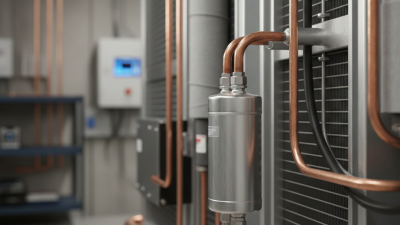
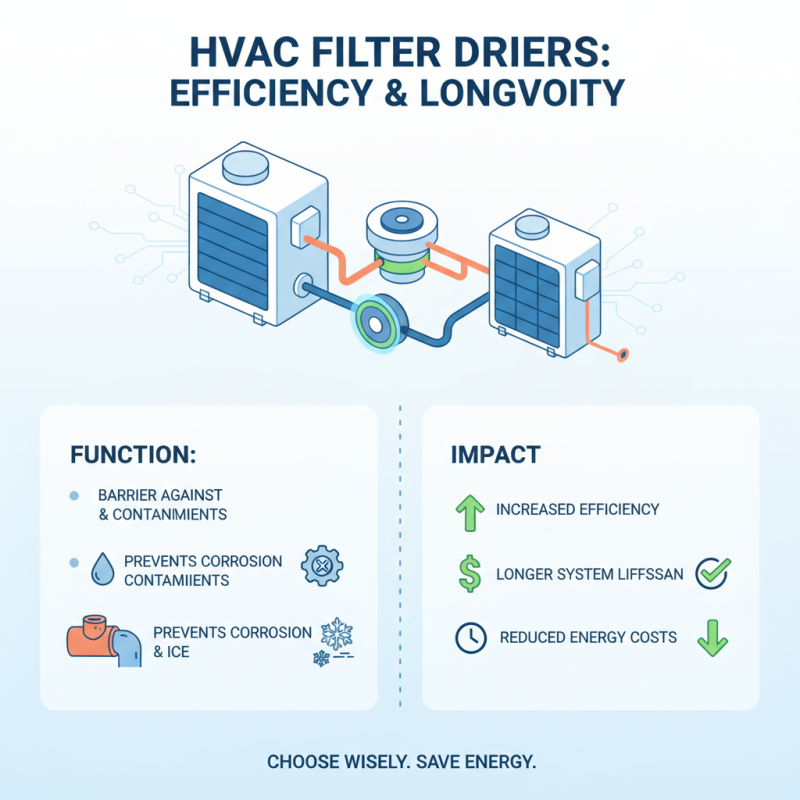
Choosing the right HVAC filter drier can significantly affect your system's efficiency. These components serve as crucial barriers against moisture and contaminants. When moisture infiltrates the refrigerant line, it can lead to corrosion and ice formation. This process reduces overall efficiency and increases energy costs.
A properly functioning filter drier extends the life of your HVAC system. It removes particles that can damage various components. However, neglecting to replace or check the filter drier can lead to disastrous results. A clogged drier may not perform as intended, leading to system strain and potential breakdown.
Routine maintenance is key to optimizing performance. Some homeowners overlook this, not realizing the consequences. A well-maintained filter drier keeps your system efficient and helps avoid costly repairs. Ultimately, investing in a good filter drier and regular check-ups can yield significant long-term savings.
Signs That Your HVAC System Needs a New Filter Drier
Your HVAC system's efficiency can suffer without a proper filter drier. Recognizing when you need a replacement is key. Look for unusual noises. If you hear banging or hissing, it might be time for a new filter drier.
Check for moisture buildup. Signs of water inside your system can indicate that the filter drier isn't functioning. Additionally, look for ice formation on the refrigerant lines. This might signal a problem with the drier's ability to remove moisture.
**Tip:** Schedule regular maintenance checks. These can help catch issues early. Keeping an eye on refrigerant levels also aids in timely interventions. Long delays can lead to costly repairs. Always consult a professional to ensure your system runs smoothly.
Importance of HVAC Filter Drier
This chart illustrates the percentage frequency of various issues related to HVAC filter driers, highlighting the importance of regular maintenance and the potential consequences of neglecting this essential component in heating, ventilation, and air conditioning systems.
Maintenance Tips for HVAC Filter Driers to Ensure Optimal Performance
HVAC filter driers play a critical role in the efficiency of your heating and cooling system. They remove moisture and contaminants, protecting the compressor and other vital components. Regular maintenance of these units is essential for optimal performance.
One effective maintenance tip is to check the filter drier’s sight glass. A cloudy or discolored sight glass indicates moisture presence. You should also inspect for any signs of leaks. Small leaks can lead to larger issues down the line. Consider replacing the filter drier every few years to maintain efficiency. Over time, they can become saturated with contaminants, losing their effectiveness.
Monitoring refrigerant levels is another important task. An imbalance can strain your HVAC system, causing inefficiencies. Additionally, clean the condenser coils on a regular basis. Dirty coils reduce heat exchange and can create excess humidity. Keeping an eye on these details can save you money on energy costs. Regular checks and timely replacements contribute to a more reliable HVAC operation. Failing to address these issues can lead to costly repairs.