Top Questions About Compressors for Fridges: What You Need to Know
In the world of refrigeration, understanding the role and function of the "Compressor For Fridge" is essential for both consumers and professionals alike. With advances in technology and design, the compressor has become a pivotal component in ensuring energy efficiency and optimal cooling performance. Dr. Emily Carter, a leading expert in refrigeration technology, emphasizes the importance of this component, stating, “The compressor is the backbone of any refrigerator system; its efficiency directly impacts both energy consumption and cooling effectiveness.”
As households are becoming more conscious of their energy usage, the questions surrounding compressors are becoming increasingly relevant. From understanding different types of compressors to gauging their efficiency ratings, consumers often find themselves seeking clarity and expert advice. Navigating through the myriad options available in the market can be complex, but comprehending how a "Compressor For Fridge" operates is key to making informed decisions.
Furthermore, the rise of eco-friendly refrigerants and technologies has spurred discussions about the future of refrigeration. As we delve into the top questions surrounding compressors, it is crucial to equip ourselves with knowledge that can enhance our understanding of how these vital components contribute to the performance and sustainability of modern refrigeration units.

Understanding the Role of Compressors in Refrigerators
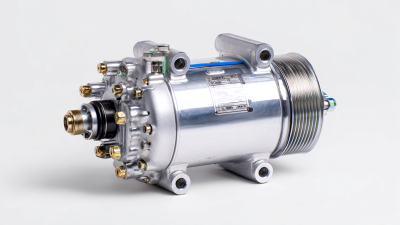
Compressors play a critical role in the operation of refrigerators, serving as the heart of the cooling system. They are responsible for compressing refrigerant gas, which then circulates through the fridge to absorb heat and maintain the desired internal temperature. According to industry reports, roughly 90% of the energy consumed by a refrigerator is utilized by its compressor, highlighting its significant impact on overall energy efficiency. The efficiency of a compressor can dramatically influence a refrigerator's performance, with Energy Star-rated units often promising a 15% reduction in energy use compared to non-rated models.
The refrigeration cycle begins when the compressor draws in low-pressure refrigerant gas and compresses it into a high-pressure gas. This gas then travels to the condenser coils, where it dissipates heat and transforms into a liquid. Both initial compression and efficient heat exchange are crucial for maintaining optimal cooling and operation. Recent advancements in compressor technology, such as the introduction of inverter-driven models, have demonstrated even greater efficiency, reducing energy consumption by as much as 30% compared to traditional fixed-speed compressors. As the demand for energy-efficient appliances grows, understanding the role of compressors becomes essential for consumers looking to make informed decisions while purchasing refrigerators.
Top Questions About Compressors for Fridges: What You Need to Know
| Question |
Answer |
| What is the main function of a compressor in a fridge? |
The compressor circulates refrigerant through the fridge and helps to remove heat from the interior, keeping the food cold. |
| How does a compressor work? |
The compressor compresses the refrigerant gas, raising its pressure and temperature, which then moves through the condenser and evaporator coils to cool the fridge. |
| What are the signs of a failing compressor? |
Signs include unusual noises, the fridge not maintaining temperature, and frequent cycling of the compressor. |
| How long do compressors typically last? |
Most compressors last between 10 to 20 years, depending on usage and maintenance. |
| Can a refrigerator work without a compressor? |
No, the compressor is vital for cooling the refrigerator and cannot operate without it. |
Types of Compressors Used in Refrigerators
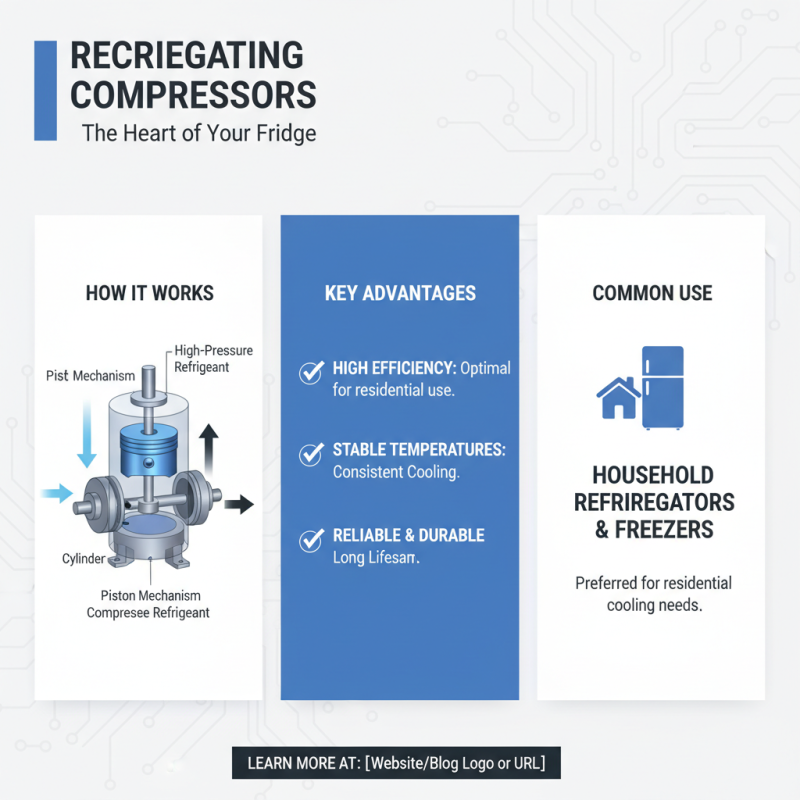
When it comes to compressors for refrigerators, understanding the different types available is essential for making an informed choice. The two primary categories of compressors are reciprocating and rotary compressors. Reciprocating compressors are commonly used in household refrigerators. They function by utilizing a piston mechanism that compresses refrigerant within a cylinder. This type is known for its efficiency and ability to maintain stable temperatures, making it a popular choice for residential cooling needs.
On the other hand, rotary compressors are often found in compact refrigerators and newer models due to their quiet operation and smaller size. They employ a rotating mechanism that compresses the refrigerant continuously, allowing for a more compact design. This can be particularly advantageous in situations where noise levels need to be minimized or space is limited. Each type has its own set of advantages tailored to different requirements, making it important for consumers to consider their specific cooling needs when selecting a refrigerator compressor.
Common Issues and Troubleshooting Tips for Fridge Compressors
When it comes to fridge compressors, understanding common issues can help you maintain your appliance effectively. One prevalent problem is the compressor running continuously without shutting off. This often indicates that the thermostat may be malfunctioning or that the unit is overstuffed, restricting airflow. Regularly cleaning the condenser coils can also mitigate overheating, which is another reason for continuous operation. Checking temperatures and ensuring proper ventilation space around the fridge are essential steps to prevent this issue from escalating.
Another frequent issue is unusual noises coming from the compressor. This can manifest in various ways, such as clicking or buzzing sounds. While some noise is normal, excessive noise may signal a mechanical failure or a loose component within the compressor. To troubleshoot, it's advisable to listen closely to the sounds; if the noise persists and becomes concerning, consulting a professional is recommended. Additionally, an ice buildup around the compressor can restrict functionality and should be addressed by defrosting the fridge regularly. By being proactive about these common issues, you can ensure your fridge operates smoothly and efficiently.
Maintaining Your Refrigerator's Compressor for Longevity
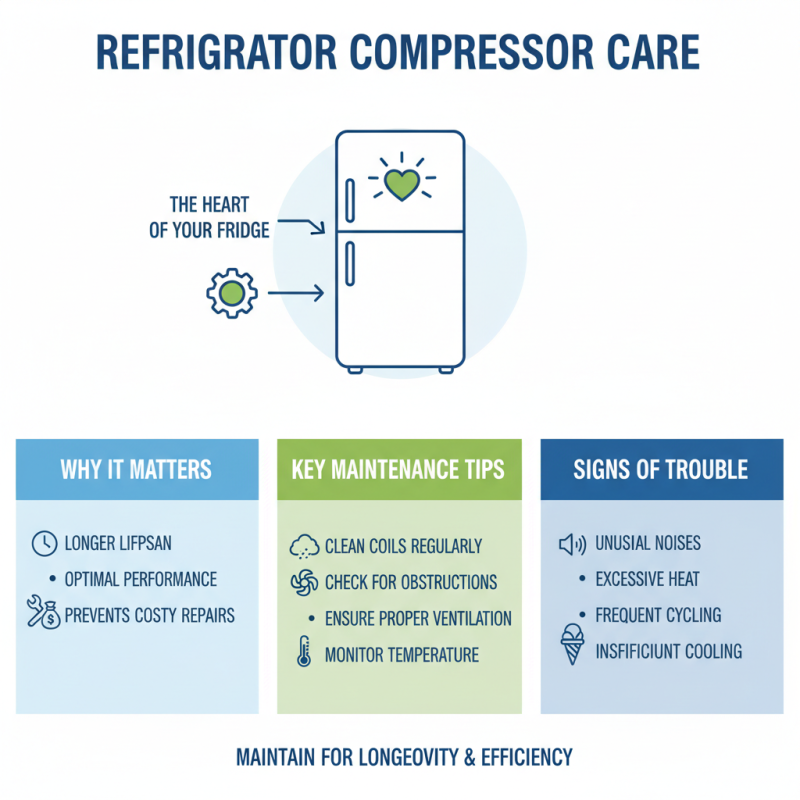
Maintaining your refrigerator's compressor is crucial for ensuring its longevity and optimal performance. The compressor is the heart of the refrigeration system, responsible for compressing the refrigerant and keeping your food at the right temperature. Regular maintenance can prevent costly repairs and extend the lifespan of your fridge.
One essential tip is to keep the condenser coils clean. Dust and debris can accumulate, making it harder for the compressor to function efficiently. You can use a vacuum or a brush to clean the coils regularly. Additionally, ensure that there’s enough space around the refrigerator for proper ventilation. Adequate airflow helps the compressor to operate without overworking, reducing the risk of burnout.
Another important aspect is to listen for unusual sounds coming from the compressor. If you hear clicking, buzzing, or loud humming noises, it may indicate a problem. Addressing such issues early can prevent further damage. Lastly, consider adjusting the temperature settings to the manufacturer’s recommended levels. Overloading the fridge with items that are too hot can force the compressor to work harder, potentially leading to premature failure.
When to Replace Your Refrigerator Compressor: Signs to Watch For
Refrigerator compressors are crucial components that help maintain the desired temperature inside the fridge. However, when these compressors begin to fail, they can lead to significant food spoilage and energy inefficiencies. Understanding the signs that indicate it's time to replace your refrigerator compressor can save you both money and frustration. A study by the U.S. Department of Energy (DOE) highlights that appliances over ten years old are more likely to experience compressor failures, making it essential to watch for early signs in older units.
Common indications of a failing compressor include unusual noises, such as clanking or buzzing, and inconsistent cooling across the fridge. Additionally, if you notice excessive frost build-up or a continuously running compressor, these can signal impending issues. According to research from the Appliance Standards Awareness Project, improperly functioning compressors can lead to energy costs increasing by almost 50%, emphasizing the importance of addressing these signs promptly.
Tips: To extend the lifespan of your fridge's compressor, ensure that the coils are clean and that there is adequate airflow around the appliance. Regular maintenance, such as defrosting and monitoring temperature settings, can also prevent undue stress on the compressor. If you experience any of the signs mentioned above, it may be wise to consult a professional for a thorough evaluation before making any decisions about replacement.