What is a Refrigerator Capacitor and How Does It Work?
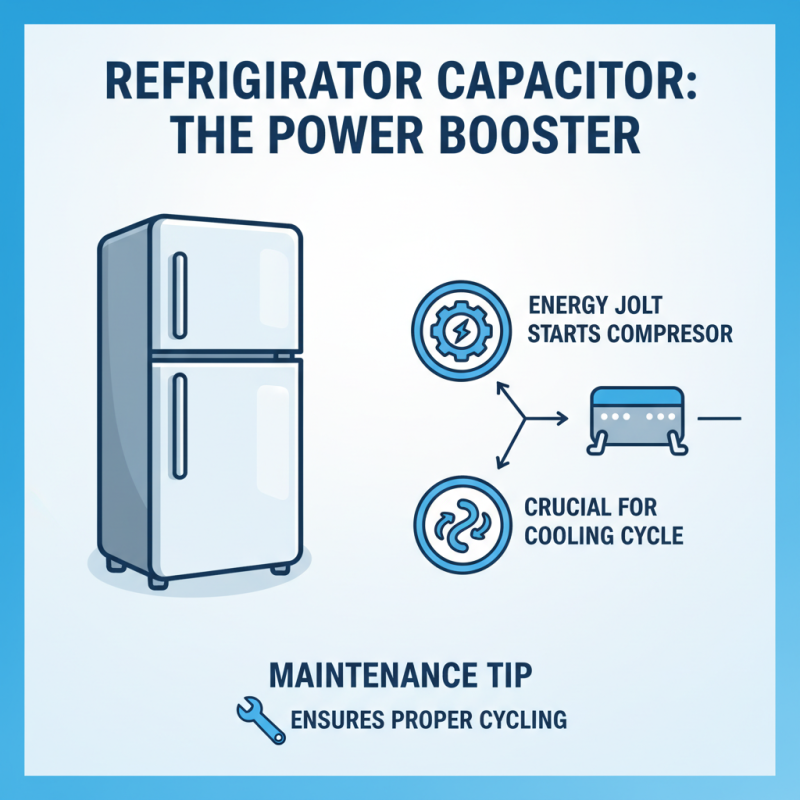
Refrigerator Capacitor plays a vital role in every home appliance. This small but essential component ensures the proper functioning of refrigerators. According to recent studies, about 80% of modern refrigerators use capacitors to boost efficiency. These devices enable the compressor motor to start and run smoothly, which directly affects cooling performance.
When the capacitor malfunctions, the entire cooling process can fail. Many users may not realize how crucial this part is until their refrigerators stop working. This oversight often leads to costly repairs or replacements. The Refrigeration and Air Conditioning Engineers Society suggests regular maintenance checks for these components to prevent unexpected breakdowns.
Understanding the function of a Refrigerator Capacitor can help consumers make informed decisions. It is essential to monitor the signs of wear and tear closely. Simple issues can escalate quickly, impacting energy consumption. Thus, awareness about this small part can save time and money in the long run.
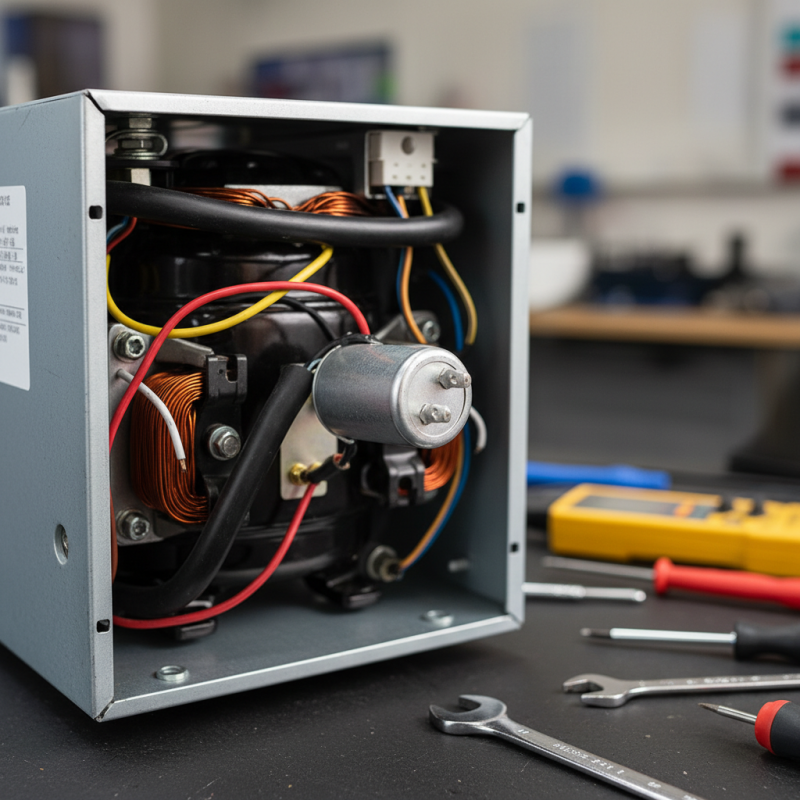
Understanding the Role of Capacitors in Refrigerator Circuits
Capacitors play a significant role in refrigerator circuits. They help start the compressor by providing an extra jolt of energy. This is crucial for the refrigeration process. Without the capacitor, your fridge might struggle to cycle on properly. Understanding this can help in maintaining it.
A refrigerator capacitor stores electrical energy. When the compressor motor needs a boost, the capacitor discharges this energy. It creates a strong magnetic field, enabling the motor to start smoothly. If the capacitor fails, the fridge may not run efficiently. You might notice odd noises or longer cycling times.
Tips: Check your refrigerator’s performance regularly. Unusual sounds often signal capacitor issues. If your fridge isn’t cooling well, an inspection might reveal electrical problems. Keep an eye out for swelling or leakage on the capacitor itself. These signs indicate a need for replacement. Don't ignore them. Ignoring small issues can lead to costly repairs later.
Types of Capacitors Used in Refrigerators: Start and Run Capacitors
Refrigerators rely on capacitors for effective operation. Two main types of capacitors are found inside them: start capacitors and run capacitors. Each serves a unique function. Start capacitors provide a boost during startup. They help to initiate the compressor's motor. Without these, the compressor may struggle to start.
Run capacitors work differently. They support the motor during operation. They provide a continuous charge, improving efficiency. This can lead to energy savings. Over time, however, these capacitors can wear out. A faulty run capacitor may cause the motor to overheat. It's crucial to address any issues promptly.
Sometimes, identifying the problem can be tricky. Not all symptoms are obvious. For example, a refrigerator might seem fine but has poor cooling performance. Issues with the capacitors could be involved. Regular checks on these components can prevent bigger problems. Understanding their role is essential for any refrigerator owner.
Types of Capacitors Used in Refrigerators
This chart illustrates the different types of capacitors used in refrigerators, comparing their typical capacitance values and usage scenarios.
How Capacitors Improve Compressor Efficiency in Refrigeration Systems
Refrigerator capacitors play a crucial role in improving the efficiency of refrigeration systems. These components store electrical energy and release it when needed. This process enhances the compressor's performance, ensuring it operates smoothly. A well-functioning capacitor allows the compressor to start quickly, reducing strain.
In refrigeration, the compressor works harder without a good capacitor. This leads to higher energy costs. Capacitors provide that extra boost during startup, improving overall energy consumption. The energy stored in the capacitor helps the compressor reach its full capacity rapidly. Otherwise, delays can lead to inefficiencies and wear over time.
Tip: Regular maintenance of the capacitor can extend its lifespan. Checking connections may prevent unnecessary issues. If your refrigerator struggles to start, it might be time to inspect the capacitor.
Another tip: Look for signs of swelling or leakage. These indicate a failing capacitor. Replacing it sooner can save energy and keep your refrigerator running efficiently. Remember, a small issue now can prevent larger problems down the line.
Measuring Capacitor Performance: Capacitance, Voltage, and Equivalent Series Resistance
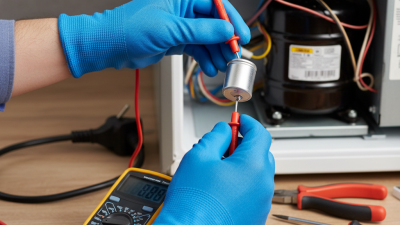
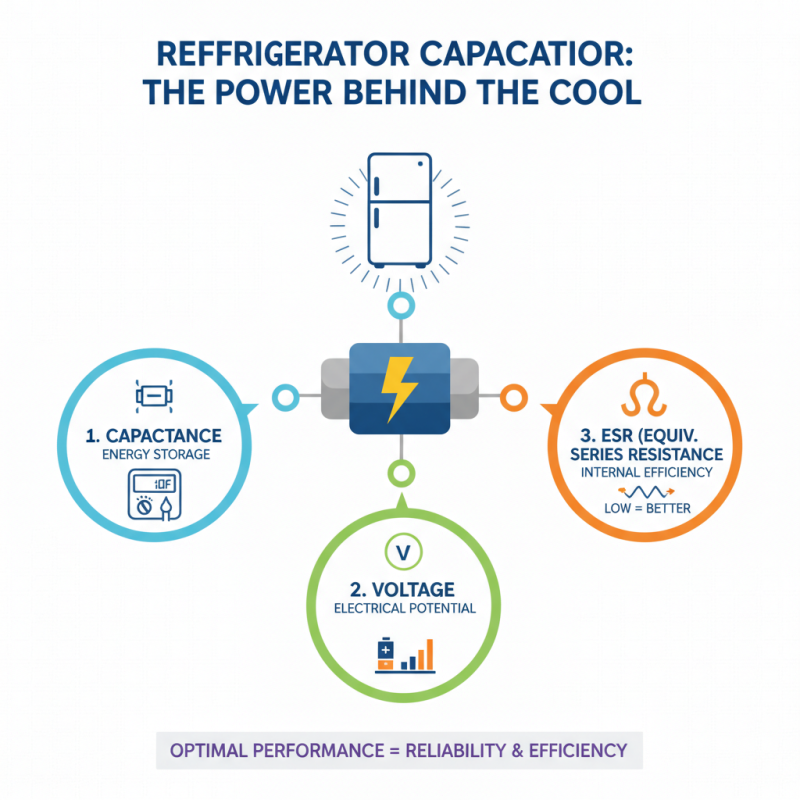
Refrigerator capacitors play a vital role in their functionality. They support the compressor by providing an initial surge of energy. Evaluating their performance involves measuring capacitance, voltage, and equivalent series resistance (ESR). Each of these factors contributes to the overall efficiency and reliability of the capacitor.
Capacitance measures the capacitor's ability to store electrical energy. It's critical to ensure that the capacitance level meets the specifications required by the refrigerator. Voltage ratings indicate the maximum voltage the capacitor can handle. Exceeding this could lead to failure. Also, equivalent series resistance reflects energy losses within the capacitor. Lower ESR values signify better performance.
When assessing a capacitor, it's essential to test these parameters. Inaccurate measurements may lead to capacitor failure. However, obtaining precise data can be challenging. Environmental factors and aging can affect these readings significantly. Understanding how these details influence a refrigerator's operation can help prevent unwanted breakdowns or inefficiencies.
Common Issues and Maintenance Tips for Refrigerator Capacitors
Refrigerator capacitors play a crucial role in the refrigeration process. They help in starting and running the compressor. However, like any component, they can face issues. A study showed that capacitor failures account for around 10% of refrigerator malfunctions. Common issues include electrical shorts and degraded insulation. These problems often stem from age or overheating.
Regular maintenance can help extend capacitor life. Keeping the refrigerator free from dust and ensuring proper ventilation can mitigate overheating. Users should inspect the capacitor for any signs of wear. If it appears swollen or cracked, it may need replacement. Additionally, checking electrical connections can prevent shorts.
It's essential to remember that a faulty capacitor may cause the refrigerator to run inefficiently. This inefficiency can lead to higher energy bills. Industry reports indicate that appliances with failed capacitors can consume up to 20% more electricity. It’s wise for users to be proactive about their refrigerator's health.