What is a Refrigerator Condenser and How Does It Work Efficiently
The efficiency of a refrigerator is largely determined by a crucial component known as the Refrigerator Condenser. This device plays an essential role in the refrigeration cycle, facilitating the removal of heat from the refrigerant as it transitions from a gas to a liquid state. By understanding how the Refrigerator Condenser operates and its significance in the cooling process, we can appreciate its impact on everyday refrigeration systems.
In essence, the Refrigerator Condenser not only aids in maintaining the optimal functioning of refrigerators but also contributes to energy conservation. A well-functioning condenser reduces energy consumption, thereby minimizing electricity bills while ensuring that food and beverages remain at safe temperatures. In this discussion, we will delve into the mechanics of the Refrigerator Condenser, exploring its design and functionality. We will also examine best practices for maintaining which can further enhance its efficiency, ultimately supporting a more sustainable appliance operation.
What is a Refrigerator Condenser?
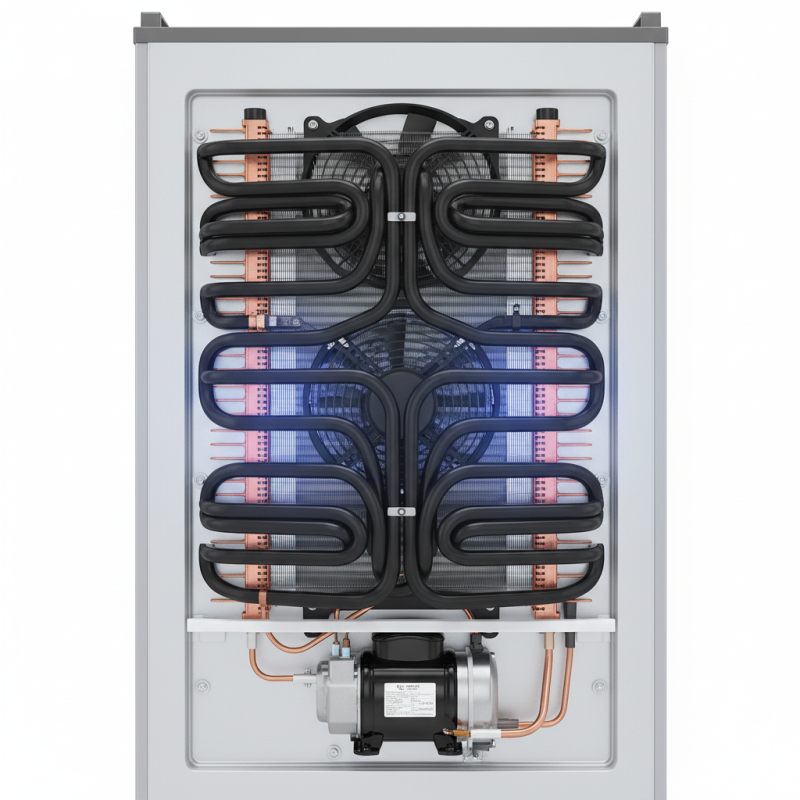
A refrigerator condenser is a crucial component in the refrigeration cycle, primarily tasked with releasing heat absorbed from the interior of the refrigerator to the external environment. It typically consists of a series of coils and is located either at the back or the bottom of the unit. As refrigerant vapor exits the compressor, it enters the condenser, which facilitates the transition from gas to liquid. This is achieved by allowing the hot vapor to expel its heat into the surrounding air, thus cooling and condensing it back into a liquid state.
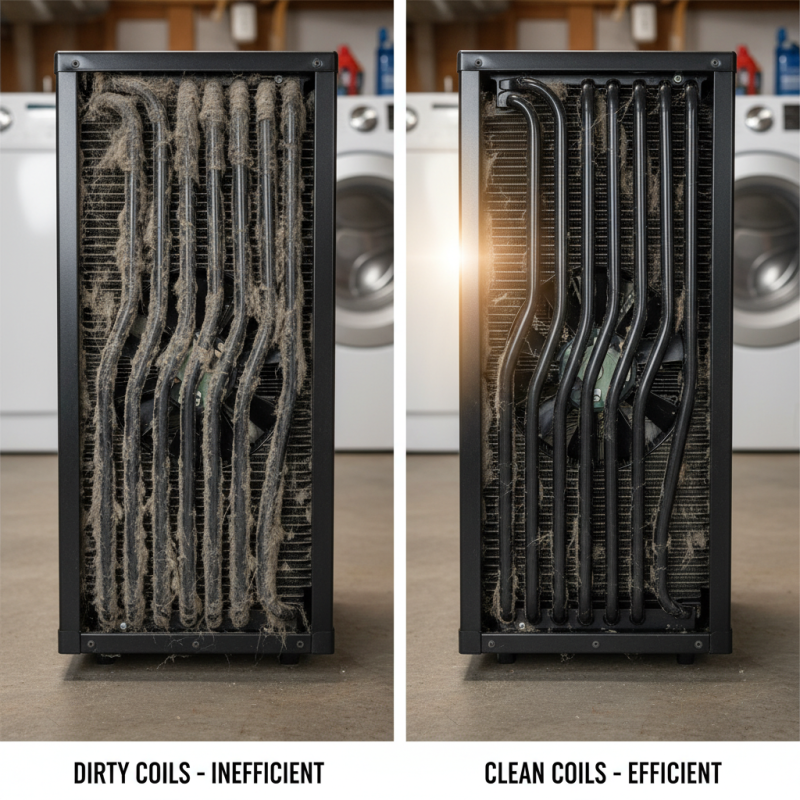
According to a report by the U.S. Department of Energy, modern refrigerators consume about 12% of household electricity, highlighting the importance of efficient refrigeration systems. To enhance energy efficiency, manufacturers often incorporate improved condenser designs that optimize heat exchange processes. Keeping the condenser coils clean and free of dust and debris is crucial for maintaining efficiency, as dirty coils can significantly impede heat transfer, leading to increased energy consumption.
**Tips:** Regularly check and clean the condenser coils to ensure optimal performance. Ensure that the airflow around the refrigerator is not obstructed, as this can hinder the condenser's effectiveness. Additionally, consider installing the refrigerator in a cooler location, away from heat sources, to further enhance efficiency and prolong the lifespan of the appliance.
What is a Refrigerator Condenser and How Does It Work Efficiently
| Dimension |
Description |
Importance |
| Material |
Typically made of copper or aluminum |
Good thermal conductivity |
| Function |
Condenses refrigerant from gas to liquid form |
Essential for heat exchange process |
| Location |
Usually located at the back or bottom of the refrigerator |
Promotes air circulation and efficient cooling |
| Maintenance |
Requires regular cleaning to ensure efficient operation |
Prevents overheating and energy waste |
| Efficiency Indicator |
Measured by Energy Efficiency Ratio (EER) |
Higher EER indicates better efficiency |
The Role of the Condenser in Refrigeration Cycle
The condenser plays a pivotal role in the refrigeration cycle, acting as a crucial component that facilitates the transfer of heat. In a typical refrigeration system, the compressor brings in refrigerant gas and compresses it, raising its pressure and temperature. This hot, high-pressure gas then flows into the condenser, where it is cooled down by ambient air or water. As the gas loses heat, it condenses into a liquid. According to the U.S. Department of Energy, optimizing the performance of a condenser can improve the overall efficiency of refrigeration systems, leading to energy savings of up to 15%.
The efficiency of the condenser is influenced by several factors, including the ambient temperature, the design of the condenser coils, and the airflow around it. For instance, proper placement of the condenser can enhance heat dissipation, while regular maintenance ensures that the coils are clean and functioning optimally. Research from the American Society of Heating, Refrigerating and Air-Conditioning Engineers (ASHRAE) indicates that maintaining appropriate refrigerant levels is also essential for maximizing the heat exchange process within the condenser. In fact, a well-maintained condenser can significantly reduce energy consumption and extend the lifespan of the refrigeration unit, proving its integral role in the efficiency of the refrigeration cycle.
How the Condenser Works: Key Processes Explained
The condenser in a refrigerator plays a crucial role in the cooling cycle, functioning through several key processes. It is primarily responsible for dissipating heat absorbed from the refrigerator's interior, allowing the refrigerant to undergo a phase change from gas back to liquid. As the refrigerant travels through the condenser coils, it releases heat into the surrounding air, typically facilitated by a fan that enhances airflow. This heat exchange process is vital for maintaining the internal temperature of the refrigerator, ensuring that food and other items remain fresh.
The efficiency of a condenser hinges on how well it can transfer heat away from the refrigerant. When the refrigerant enters the condenser, it is in a high-pressure gaseous state. As it flows through the coils, the temperature drops, and the refrigerant condenses into a liquid. This transition not only cools the refrigerant but also prepares it for the next stage of the refrigeration cycle, which is the expansion process in the evaporator. Factors such as proper airflow around the condenser coils, cleanliness of the coils, and ambient temperature all influence the efficiency of heat exchange, impacting the overall performance of the refrigerator.
Refrigerator Condenser Efficiency Comparison
This chart illustrates the average efficiency levels of different condenser types used in refrigerators, showcasing energy consumption based on performance levels.
Factors Affecting the Efficiency of Refrigerator Condensers
Refrigerator condensers play a crucial role in the cooling process of refrigeration systems by dissipating heat absorbed from the refrigerator's interior. The efficiency of these condensers can be influenced by various factors that significantly impact the overall performance of a refrigerator. One of the primary factors is the ambient temperature.
According to the American Society of Heating, Refrigerating, and Air-Conditioning Engineers (ASHRAE), higher ambient temperatures can lower the efficiency of the condenser, requiring more energy to maintain optimal cooling. Therefore, ensuring that a refrigerator is placed in a well-ventilated area can enhance its efficiency.
Another factor affecting the efficiency of refrigerator condensers is the cleanliness of the condenser coils. Dust and debris accumulation can obstruct airflow and impede heat dissipation. A report from the U.S. Department of Energy indicates that maintaining clean coils can improve system efficiency by up to 30%. Regularly cleaning the condenser coils and inspecting them for any blockages should be a vital part of refrigerator maintenance.
Tip: Implement a cleaning schedule for your refrigerator's condenser coils, ideally every six months, to ensure optimal efficiency.
Additionally, the design of the condenser itself can affect its thermal conductivity and performance under varying loads. A condenser designed with larger surface areas and materials that enhance heat transfer can significantly improve efficiency. Furthermore, factors such as refrigerant type and flow rate can also influence performance. According to a study by the International Institute of Refrigeration, optimizing these variables can lead to energy savings of up to 15%.
Tip: Consider the importance of thermostat settings; keeping the temperature at an optimal level can reduce strain on the condenser and enhance overall efficiency.
Maintenance Tips for Optimal Condenser Performance
Maintaining the efficiency of a refrigerator condenser is crucial for optimal cooling performance and energy savings. According to the U.S. Department of Energy, up to 20% of a refrigerator's energy consumption can be attributed to inefficient condenser operation. Therefore, regular maintenance is essential to ensure that the condenser performs efficiently. One of the first steps in maintenance is to keep the condenser coils clean and free of dust and dirt. A dirty coil can hinder the heat exchange process, forcing the compressor to work harder and consume more energy. It is recommended to clean the condenser coils at least once a year using a vacuum or a coil cleaning brush to prevent buildup.
Another important aspect of condenser maintenance is ensuring proper airflow around the appliance. The condenser requires adequate space and ventilation to function effectively. According to industry experts, the area around the condenser should be free from obstructions, allowing at least several inches of clearance. Additionally, inspecting the condenser fan for proper operation is essential; a malfunctioning fan can lead to overheating and reduced cooling efficiency. Regular checks and timely repairs will not only enhance the condenser's performance but also extend the lifespan of the refrigerator, potentially reducing the need for costly repairs or replacements down the line.