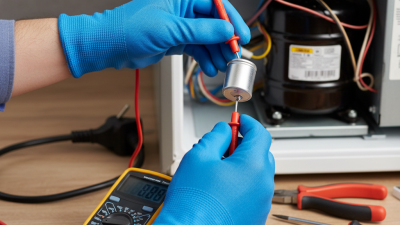
What is a Refrigerator Defrost Timer and How Does it Work?
A Refrigerator Defrost Timer is a crucial component in maintaining optimal performance. It helps to prevent frost buildup in the appliance, a common issue in many households. According to industry reports, around 30% of refrigerators suffer from improper defrost cycles. This can lead to increased energy consumption and food spoilage.
The function of the Refrigerator Defrost Timer is simple yet vital. It periodically activates the defrost heater to melt accumulated frost. Without this timer, frost might obstruct airflow, leading to inefficient cooling. It's important to understand that while this device is essential, it is often overlooked.
Neglecting maintenance of the defrost timer can cause significant problems. Many households experience higher electric bills, averaging an extra $100 annually due to inefficient fridges. Therefore, knowing how the Refrigerator Defrost Timer works is essential for every homeowner. It is worth reflecting on the wear and tear that could be prevented with proper care.
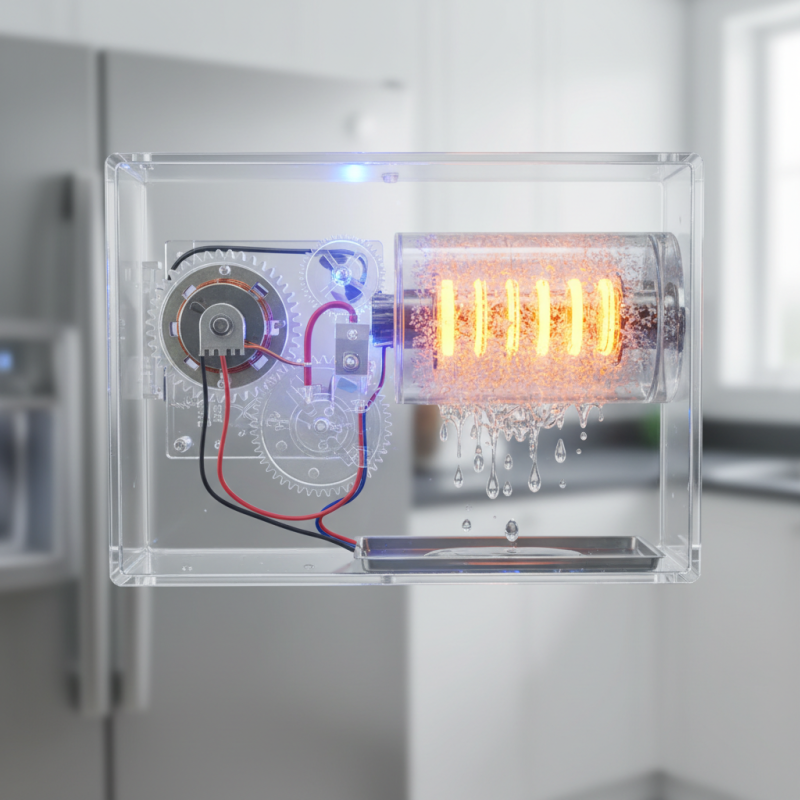
What is a Refrigerator Defrost Timer?
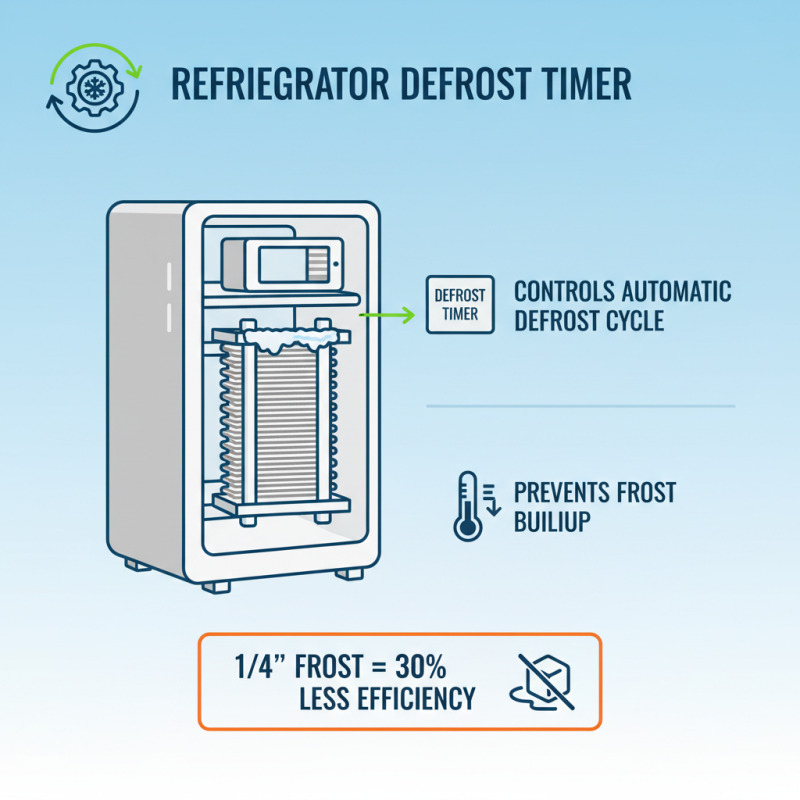
A refrigerator defrost timer is a crucial component found in many refrigeration units. Its primary function is to control the automatic defrost cycle. This mechanism ensures that frost buildup on the evaporator coils is minimized. Excessive frost can hinder the refrigerator's efficiency. According to industry reports, a build-up of just one-quarter inch of frost can reduce cooling efficiency by up to 30%.
Typically, the defrost timer operates on a set cycle. It usually runs every 6 to 12 hours, depending on the model. When the timer activates, it turns off the compressor and turns on the defrost heater. This process melts the ice accumulation. The melted water is drained away, preventing any further blocks. However, malfunctioning timers can lead to issues. If a timer fails to initiate the defrost cycle, frost will rapidly accumulate.
Users might notice increased energy consumption as a result. Reports indicate that faulty timers are a common cause of inefficient refrigerators. Regular maintenance is essential to avoid these problems. Yet, many people overlook it. Being proactive can save money and extend the appliance's lifespan.
Purpose of the Refrigerator Defrost Timer
A refrigerator defrost timer plays a vital role in maintaining the efficiency of your appliance. This small device regulates the defrost cycle, ensuring that frost buildup does not hinder your fridge's performance. Frost can block airflow and reduce cooling efficiency, leading to spoiled food. Without a timer, frost can accumulate and might even lead to mechanical issues over time.
The purpose of the defrost timer is simple yet crucial. It allows the refrigerator to transition between cooling and defrosting modes. Typically, it operates by detecting how long the refrigerator has been running. Once a set time is reached, the timer triggers the defrost heater temporarily. This process melts away accumulated frost, allowing the refrigerator to function optimally again. However, if the timer malfunctions, it can lead to excess frost and inefficient cooling. Test your timer regularly, as a faulty unit could go unnoticed until significant problems arise.
Sometimes, we overlook simple devices like the defrost timer. Taking the time to understand its function may prevent costly repairs. Regular maintenance is key, as neglect can lead to serious issues. The defrost timer, while small, is integral to a refrigerator’s overall performance. Don’t ignore it; a few preventive checks can save you hassle down the line.
How the Defrost Timer Functions in Refrigerators
A refrigerator defrost timer is a critical component that controls the defrost cycle. It ensures the refrigerator maintains optimal temperatures while preventing frost buildup. According to industry reports, around 70% of refrigerator issues stem from improper defrosting cycles. This highlights the importance of understanding how the defrost timer functions.
The defrost timer operates by periodically activating the defrost heater. This heater melts any frost that accumulates on the evaporator coils. When the timer reaches its set interval, the heating element turns on, usually for about 20 to 30 minutes. However, a malfunctioning timer can lead to inadequate or excessive heating. In fact, studies show that improper defrost cycles can lead to energy inefficiencies, increasing energy consumption by up to 50%.
Users often overlook the defrost timer's role in maintaining efficiency. A neglected or faulty timer can result in ice buildup and spoilage of food. Regular maintenance checks are essential. They can help identify if the defrost timer is operating as intended. Such steps are crucial for ensuring a longer lifespan for the refrigerator and reducing overall energy costs.
Common Types of Refrigerator Defrost Timers
Refrigerator defrost timers come in various types, each designed to manage the defrost cycle effectively. Mechanical timers are common in older models. They operate using a simple dial and rely on a countdown mechanism. These timers can be quite reliable but often need manual adjustment. They might not always align perfectly with your fridge’s cooling needs, leading to excess frost build-up if you forget to reset them.
Digital defrost timers are more advanced and often found in newer refrigerators. They use electronic circuits to control the timing mechanism accurately. These timers can adapt to the refrigerator's usage patterns. However, they can be sensitive to power fluctuations. One power surge might throw them off. Some users report issues with the sensors failing over time, leading to inadequate defrosting cycles.
Another type is the adaptive defrost control. It utilizes algorithms to determine when to defrost based on the refrigerator’s temperature and usage. This type is efficient but can be complicated to repair when they malfunction. Users often find it hard to understand the diagnostics, which can lead to frustration. Each timer type has its pros and cons. Understanding these can help with maintenance and efficiency.
Signs of a Malfunctioning Defrost Timer
A malfunctioning defrost timer can lead to various issues in your refrigerator. One of the most common signs is excessive frost buildup. If you notice ice layers forming on the walls of your freezer, it could signal a problem. Ideally, the defrost timer should cycle on and off to melt any frost. If it fails, frost collects over time.
Another sign of trouble is inconsistent temperatures. If your refrigerator section feels warmer than usual, the defrost timer might be stuck. Warm spots in a normally cold fridge can affect food quality. It’s a subtle indicator that warrants attention.
Unusual noises are also worth noting. A humming or clicking sound can indicate that the timer is struggling. If the timer cannot complete its cycle, it might produce irregular sounds that disrupt your kitchen. Addressing these signs early is essential for maintaining appliance efficiency. Staying observant can prevent larger issues down the road.
What is a Refrigerator Defrost Timer and How Does it Work? - Signs of a Malfunctioning Defrost Timer
| Feature |
Description |
Signs of Malfunction |
| Function |
Controls the defrost cycle of the refrigerator. |
Ice buildup in the freezer. |
| Cycle Duration |
Often 6 to 12 hours, depending on the model. |
Frequent defrost cycles or prolonged defrost time. |
| Common Types |
Mechanical and electronic timers. |
Erratic cycle operation. |
| Location |
Typically found in the main control panel or inside the refrigerator. |
Inconsistent temperatures in the refrigerator compartment. |
| Replacement Cost |
Usually ranges from $50 to $150, depending on the type. |
Higher repair costs if not addressed promptly. |