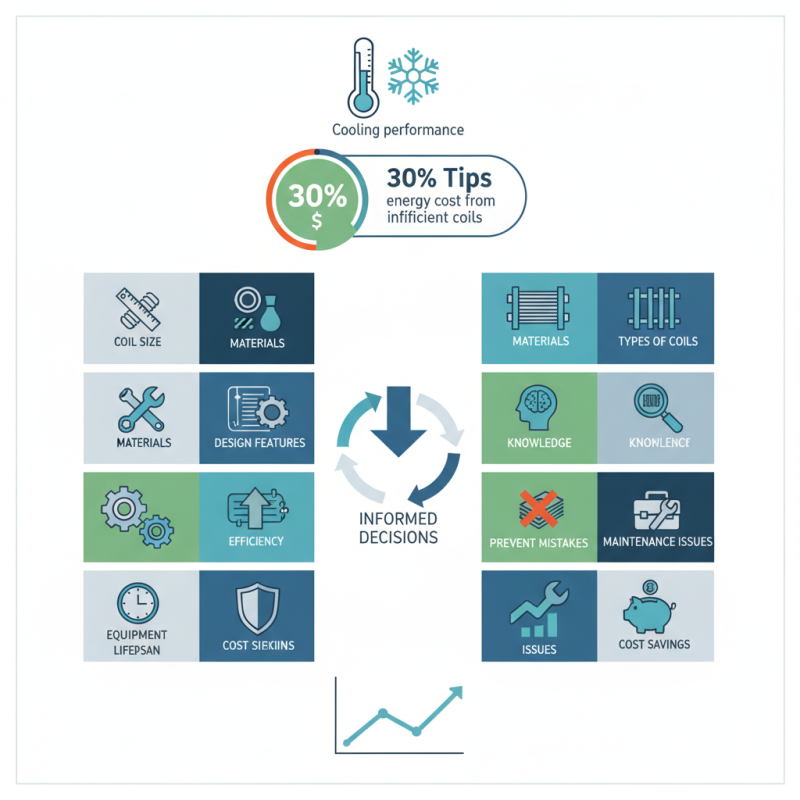
When selecting refrigeration evaporator coils, understanding their significance is crucial for optimal cooling performance. According to a report by the International Institute of Refrigeration, approximately 30% of energy costs in commercial refrigeration systems come from inefficient evaporator coils. This statistic underscores the importance of making informed decisions when choosing these components.
Refrigeration evaporator coils are essential for heat exchange in cooling applications. Selecting the right coils can enhance efficiency and extend equipment lifespan. However, the multitude of options available can be overwhelming. It is vital to consider factors such as coil size, materials, and design features.
Many industries face challenges with coil selection. Insufficient knowledge often leads to ineffective systems. A comprehensive understanding of different types can prevent costly mistakes. Moreover, real-world experiences from technicians indicate that poor coil choices frequently result in increased maintenance issues. Thus, taking the time to explore these ten tips can lead to better long-term performance and cost savings.
Refrigeration evaporator coils play a crucial role in HVAC systems. They are essential for heat exchange, transferring heat from the refrigerant to the indoor air. According to the American Society of Heating, Refrigerating and Air-Conditioning Engineers (ASHRAE), improper selection can lead to energy inefficiencies. The right coil ensures optimal cooling performance.
Selecting the right evaporator coil involves understanding the application. Factors like airflow, temperature drops, and humidity levels affect performance. Industry reports suggest that mismatched coils can reduce energy efficiency by up to 30%. Regular maintenance and the right coil selection enable systems to work efficiently, reducing operational costs.
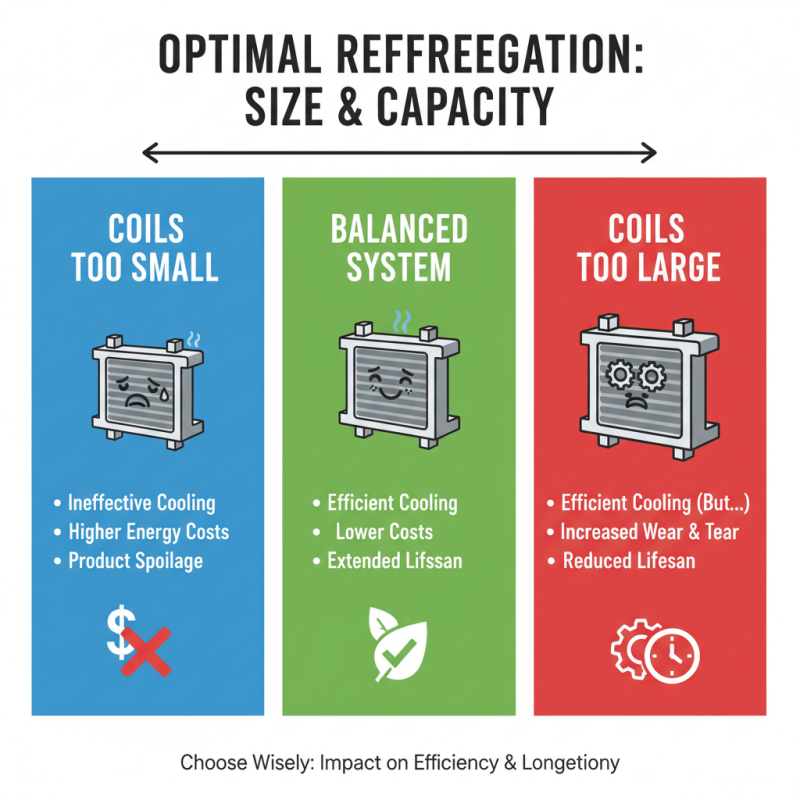
The size and material also matter in coil selection. A coil that is too small may struggle to cool effectively, while a coil that is too large can cause excessive cycling. Evaporator coils are often made from copper or aluminum, each with unique thermal properties. Understanding these materials ensures better heat transfer and overall system reliability. Balancing these elements is not always straightforward, requiring technical knowledge and experience in HVAC system design.
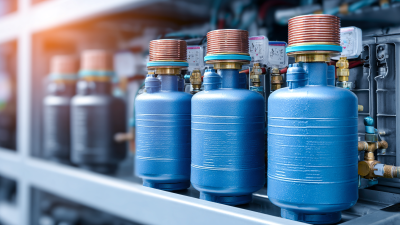
This chart displays the importance of different factors to consider when selecting refrigeration evaporator coils for HVAC systems. Each factor is rated on a scale from 1 to 10 based on its significance.
When selecting refrigeration evaporator coils, understanding coil material is crucial. Copper, aluminum, and stainless steel are common options. Each material has its strengths and weaknesses. Copper is highly efficient but can be costly. Aluminum, on the other hand, is lighter and often more affordable, yet it may not be as durable. Stainless steel offers excellent resistance to corrosion, making it a reliable choice in harsh environments.
Construction quality also plays a significant role in performance. Proper welding and seamless connections ensure minimal refrigerant leaks. Look for coils designed with robust construction methods. Lower-quality coils might seem cheaper but can lead to long-term costs due to inefficiency and maintenance needs. Inspection of fin spacing is vital; wider fins allow for better airflow but may compromise durability.
Before making a final decision, consider the specific application. Different environments may require different materials or constructions. Not all coils are created equal. Always weigh the benefits against potential drawbacks. This reflective approach enhances reliability and efficiency, ultimately improving your refrigeration system’s performance.
When selecting refrigeration evaporator coils, understanding size and capacity requirements is critical. If the coils are too small, they won't effectively cool your products. You'll face higher energy costs and potential spoilage. Conversely, oversized coils may cool efficiently but can lead to increased wear and tear on the system. This imbalance can alter the system's lifecycle.
Evaluating the space where the evaporator will be installed is essential. Measure the area carefully to ensure a proper fit. Consider airflow patterns, as they influence cooling effectiveness. Taking the time to assess these factors prevents costly mistakes. Remember that even minor inaccuracies can disrupt the entire refrigeration system.
Energy efficiency should also guide your choices. Look at the cooling capacity needed for your specific application. Knowing the thermal load requirements will help avoid underperformance. Engage with industry experts if uncertain. Their insights can illuminate aspects you might overlook. It's better to ask questions than to assume everything is clear. Knowledge gained from experience is invaluable.
When selecting refrigeration evaporator coils, energy efficiency ratings play a crucial role. These ratings, expressed in terms of EER (Energy Efficiency Ratio) or SEER (Seasonal Energy Efficiency Ratio), directly impact the operational costs. According to the U.S. Department of Energy, a higher EER can result in savings of up to 30% on energy bills. Choosing coils with high efficiency not only reduces expenses but also lessens environmental impact.
The type of refrigerant used in evaporator coils also affects energy efficiency. For instance, systems utilizing R-410A refrigerant generally exhibit better efficiency than older R-22 systems. However, it is essential to weigh the cost of replacement and potential recovery issues. Some studies show that newer refrigerants can lead to cold spots if not properly maintained, which can reduce comfort and efficiency. It’s crucial to consider these factors when evaluating coil performance.
Evaluating insulation properties alongside efficiency ratings is key. Coils with insufficient insulation can lead to energy loss. A report from the HVACR Research Institute suggests that poor insulation can reduce effectiveness by nearly 15%. This emphasizes the importance of not solely focusing on efficiency ratings but also on overall construction quality. Balancing these elements can lead to a more reliable and cost-effective refrigeration system.
Regular maintenance of refrigeration evaporator coils is crucial for optimal performance and longevity. These coils play a vital role in the cooling process. A well-functioning coil ensures efficient heat transfer, which directly impacts energy consumption. Reports indicate that neglecting regular maintenance can increase energy costs by up to 30%. Thus, preventive measures are essential to avoid higher operational expenses.
Support for evaporator coils encompasses inspection and cleaning. Dust and debris buildup can hinder performance, leading to mechanical failures. Studies show that coils cleaned regularly can reduce energy consumption by 15-20%. Technicians should check for leaks and gauge the condition of insulation. Wear and tear may compromise efficiency, necessitating timely repairs. Maintenance logs provide invaluable data, helping owners track the coil's performance and anticipate needs.
Implementing a routine check schedule fosters reliability. Even minor adjustments can significantly enhance efficiency. Many users overlook the importance of this practice. Experience shows that talk of saving money often leads to costly repairs if neglected. By prioritizing consistency in maintenance, businesses can enjoy quieter operations and reduced downtime. A safer environment is also a key outcome of well-maintained equipment.
| Tip No. | Tip | Description | Importance of Maintenance |
|---|---|---|---|
| 1 | Determine the Right Size | Choose a coil that matches the specific cooling needs of your application. | Prevents inefficient energy use. |
| 2 | Check Material Quality | Select coils made of durable materials for longevity. | Reduces the risk of corrosion and degradation. |
| 3 | Evaluate Design Efficiency | Look for designs that maximize heat transfer and minimize energy loss. | Enhances overall system performance. |
| 4 | Review Compatibility | Ensure coils are compatible with your refrigeration system. | Avoids potential system failures. |
| 5 | Consider Energy Efficiency Ratings | Look for energy-efficient models to reduce operational costs. | Promotes sustainability efforts and lowers bills. |
| 6 | Seek Professional Advice | Consult industry experts for recommendations. | Ensures informed decision-making. |
| 7 | Look for Warranty and Support | Choose coils that come with a strong warranty and support. | Provides peace of mind and assistance when needed. |
| 8 | Assess Installation Requirements | Consider how easy the coils will be to install. | Can save money on installation costs. |
| 9 | Read Customer Reviews | Look for feedback from other users to gauge satisfaction. | Helps in validating product performance. |
| 10 | Plan for Regular Maintenance | Schedule regular inspections and servicing of coils. | Extends the lifespan and efficiency of coils. |