Top Compressors For Fridge Recommendations For Global Buyers?
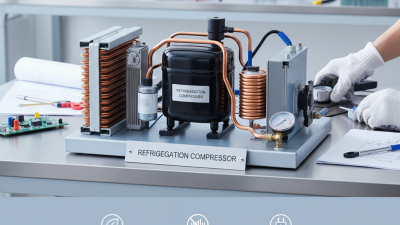
In the world of refrigeration, the "Compressor For Fridge" plays a critical role in maintaining optimal temperatures. According to Dr. Emily Carter, a leading expert in refrigeration technology, “The compressor is the heart of any refrigeration system.” Understanding the best compressors available can greatly enhance efficiency and reliability in refrigerators.
As global buyers seek top-notch refrigerators, knowing which compressors to consider is essential. Various models come with distinct features, yet the choice directly impacts energy consumption and performance. Many struggle to navigate the complexities of compressor options, which can lead to frustrating outcomes.
Buyers should focus on the durability and benefits of each compressor type. Some compressors may offer better cooling but at a higher energy cost. Understanding features is crucial to avoid mistakes. Choosing the right compressor requires a balance between performance and efficiency.
Top Features to Consider in Fridge Compressors
When choosing a fridge compressor, several key features are critical. Efficiency is paramount. A compressor's energy consumption can account for up to 30% of a refrigerator's total energy use. According to the Department of Energy, high-efficiency compressors can lead to energy savings of 15-20% compared to traditional models. This reduction not only benefits the environment but also lowers electricity bills over time.
Noise levels are another essential factor. Compressors can be a significant source of noise in home appliances. A quieter compressor typically operates at levels ranging from 30 to 40 decibels. Selecting a model within this range can improve comfort in living spaces. Additionally, durability is crucial. Compressors should ideally have a lifespan of 10-15 years. However, frequent repairs or failures can arise from subpar designs or inadequate materials.
Temperature control and reliability also matter greatly. A good compressor should maintain consistent cooling without fluctuation. According to industry reports, models with inverter technology offer better temperature stability and run more quietly. Regular maintenance can enhance performance, but many users overlook this aspect. It's vital to choose a dependable compressor to prevent future issues.
Top Compressors For Fridge Recommendations For Global Buyers
| Model |
Cooling Capacity (BTU) |
Energy Efficiency (SEER) |
Noise Level (dB) |
Warranty (Years) |
| Model A |
7500 |
15 |
40 |
5 |
| Model B |
10000 |
18 |
35 |
6 |
| Model C |
6000 |
13 |
45 |
4 |
| Model D |
8000 |
16 |
38 |
5 |
| Model E |
9000 |
17 |
42 |
3 |
Types of Compressors Suitable for Refrigerators
When considering the types of compressors suitable for refrigerators, it's essential to understand the primary technologies available. The most common types are reciprocating, rotary, and scroll compressors. Each type has unique advantages and disadvantages impacting energy efficiency and cooling performance. According to recent industry reports, scroll compressors are highly preferred for their quieter operation and compact size, while reciprocating compressors are prevalent in larger refrigerators due to their robustness.
Choosing the right compressor is crucial for energy efficiency. The Department of Energy highlights that properly sized compressors can save consumers up to 30% on energy bills. Additionally, underloading or overloading a compressor can lead to performance issues. This means selecting an appropriate compressor based on refrigerator size and usage is vital.
Tips: Regular maintenance can greatly improve compressor lifespan. Cleaning condenser coils and checking refrigerant levels should be routine tasks. Staying informed about product innovations in compressor technology can also guide better buying decisions. Consider energy-recovery systems for more sustainable options, as these emerging technologies can significantly reduce environmental impacts.
Global Brands Offering Reliable Fridge Compressors
When choosing fridge compressors, reliability and efficiency are key factors. Numerous global brands focus on delivering high-quality products that meet various consumer needs. These brands often utilize advanced technology to enhance performance. Reliable compressors reduce energy consumption and operating noise. This leads to a better user experience.
Many consumers appreciate the variety of designs available. Different brands offer compressors suitable for both compact and large refrigerators. Some of these compressors are designed for tropical climates. They maintain optimal cooling, even in high temperatures. However, not all brands offer the same level of service and support. Researching customer feedback can provide insights into product reliability.
It's essential for global buyers to evaluate their specific requirements. A compressor's energy efficiency can significantly impact long-term costs. Additionally, understanding warranty terms is crucial. This allows users to feel secure in their investment. Ultimately, the right choice can lead to a more efficient refrigeration solution.
Top Compressors For Fridge Recommendations
This chart represents the ratings of various important factors in fridge compressors including efficiency, noise level, durability, cost, and performance. It provides insights for global buyers looking for reliable compressor options.
Tips for Choosing the Right Compressor Based on Local Climate
Choosing the right compressor for your fridge is crucial, especially when factoring in local climate conditions. According to a recent industry report, over 30% of compressor failures are linked to improper selection for the operating environment. For instance, areas with high humidity require compressors equipped with moisture control mechanisms. This can prevent excessive wear and enhance longevity.
In hotter climates, an efficient compressor can significantly reduce energy consumption. Studies indicate that improper cooling mechanisms can lead to a 20% increase in energy costs. Opting for units designed for higher temperatures ensures optimal performance. However, it’s essential to consider the compressor's size and capacity in relation to your specific needs. Overloading a unit may lead to inefficiencies, and under-sizing could result in insufficient cooling.
Additionally, take note of seasonal changes in your locality. Manufacturers often cite that compressors perform differently in distinct temperatures. It's worth reflecting on the specific demands placed on your fridge throughout the year. When evaluating options, keep in mind the potential consequences of an ill-matched compressor. The right balance can lead to better refrigeration efficiency and cost savings in the long run. Always seek reliable information and professional advice tailored to your unique location.
Maintenance Practices for Longevity of Fridge Compressors
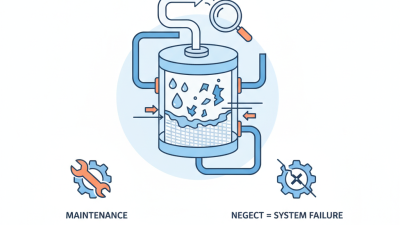
Proper maintenance practices are crucial for ensuring the longevity of fridge compressors. According to industry reports, regular inspection can extend compressor life by up to 40%. Cleanliness is a vital factor. Dust and debris can block airflow and cause overheating, decreasing efficiency. Keeping the compressor area clean is essential.
Another aspect to consider is the cooling coils. They should be checked regularly. When coils are dirty, the compressor works harder, leading to wear and tear. Regularly cleaning these coils can help maintain optimal performance. Observing changes in temperature settings can also indicate compressor issues.
Lastly, refrigerant levels play a significant role. An improperly charged system can lead to compressor failure. Reports show that nearly 30% of compressor problems are related to refrigerant issues. Owners should monitor refrigerant levels and seek professional help if fluctuations occur. Fridge compressors require attention. Small actions can lead to significant improvements in their operational life.