Top Compressors for Fridge What You Need to Know
When it comes to maintaining a refrigerator, understanding the role of the Compressor For Fridge is crucial. The compressor acts as the heart of your fridge, regulating temperature and ensuring food stays fresh. With various options available, choosing the right compressor can be overwhelming. Each model has its strengths and limitations, impacting efficiency and performance.
It's essential to consider factors like size, power consumption, and noise levels. Some compressors are designed for compact refrigerators, while others serve larger units. Additionally, quality varies among brands, which influences reliability. Selecting a dependable compressor can ultimately save money on repairs and energy bills.
However, many people overlook the importance of proper installation. An incorrectly positioned compressor can lead to inadequate cooling. Careful evaluation of your fridge's requirements helps avoid these pitfalls. This guide aims to shed light on the most reliable compressors and share insights for making informed decisions.

Overview of Refrigerator Compressors and Their Functions
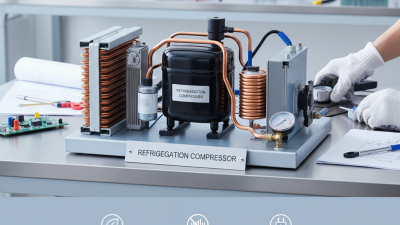
Refrigerator compressors are vital components in cooling systems. They play a crucial role in maintaining the temperature of your food and beverages. A compressor works by compressing refrigerant gas and circulating it through the system. This process cools the interior of the fridge and ensures that the items stored remain fresh.
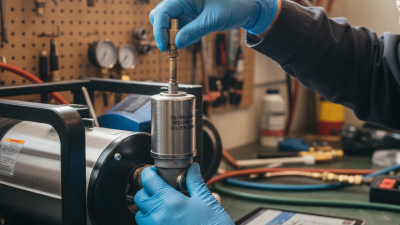
Understanding the functions of refrigerator compressors helps in troubleshooting potential issues. If a compressor is failing, it may struggle to maintain cool temperatures. You might notice inconsistent cooling or an increase in energy bills. Regular maintenance can help extend the lifespan of a compressor. Dust and debris can accumulate around the compressor, leading to inefficiencies. Checking and cleaning the area can sometimes resolve minor issues.
Different types of compressors exist, including reciprocating, rotary, and scroll compressors. Each type has its advantages and disadvantages. For example, reciprocating compressors are common in household units but can be noisy. On the other hand, scroll compressors are quieter and more efficient, yet may be costlier to replace. Choices depend on numerous factors such as budget, efficiency, and noise levels. Being informed can lead to better decisions when selecting or maintaining a refrigerator.
Top Compressors for Fridge - Overview of Refrigerator Compressors
Types of Compressors Used in Refrigerators: A Comparison
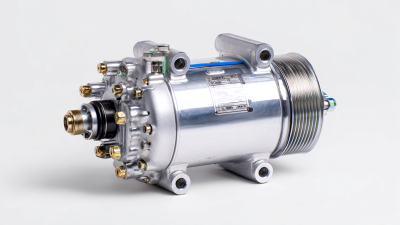
When selecting a compressor for a refrigerator, it is essential to understand the different types available. The most common types include reciprocating, rotary, and scroll compressors. Each has distinct features and performance characteristics. Reciprocating compressors are known for their robustness. They handle high pressures well, making them ideal for larger appliances. However, they tend to produce more noise, which can be a drawback in some households.
Rotary compressors are more compact and efficient. They operate quietly and are commonly found in small refrigerators. While they consume less power, their cooling capacity may be limited compared to reciprocating types. On the other hand, scroll compressors offer excellent efficiency and reliability. They work smoothly with minimal vibration, leading to a longer lifespan. However, their maintenance can be challenging and often requires a skilled technician.
Understanding these differences is crucial for making an informed choice. Consider your specific needs and the environment where the fridge will be used. Each type has its merits and potential downsides. Evaluating how these factors affect your decision can lead to a better refrigeration solution.
Top Compressors for Fridge: What You Need to Know - Types of Compressors Used in Refrigerators: A Comparison
| Type of Compressor |
Efficiency |
Noise Level |
Cost |
Lifespan |
| Reciprocating Compressor |
Medium |
Moderate |
Low |
10-15 years |
| Rotary Compressor |
High |
Low |
Medium |
8-12 years |
| Scroll Compressor |
Very High |
Very Low |
High |
15-20 years |
| Inverter Compressor |
Ultra High |
Very Low |
High |
20 years+ |
Maintenance Tips for Extending the Lifespan of Your Compressor
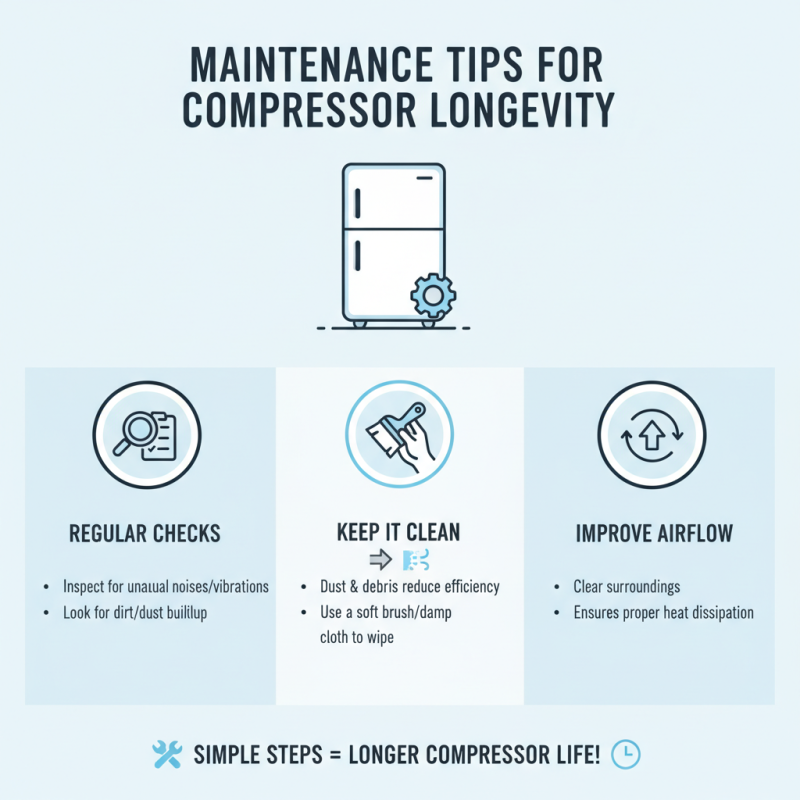
Maintaining your refrigerator's compressor is vital for a longer lifespan. Regular checks can prevent minor issues from escalating. Dust and debris can accumulate around the compressor, affecting its efficiency. Clean the area surrounding it regularly. Use a soft brush or a damp cloth to wipe away dust. This simple action can improve airflow and extend the compressor's life.
Listening to your fridge is important. Unusual noises might indicate problems. A humming sound is normal, but clanking or buzzing could signify an issue. If you hear these sounds, investigate promptly. Ignoring them can lead to costly repairs.
Temperature settings matter too. Keeping your fridge too cold can strain the compressor. Optimal settings usually range from 37°F to 40°F. If you’re unsure, adjust slightly and observe for a week. Make small changes gradually. These precautions may feel minor, yet they contribute to the reliability of your refrigerator. Take the time to monitor these factors, and your compressor will thank you.
Troubleshooting Common Issues with Refrigerator Compressors
Refrigerator compressors are crucial for maintaining optimal temperatures in your fridge. They are responsible for circulating refrigerant through the system, absorbing heat, and cooling the interior. However, they can run into several common issues that can disrupt their performance. One frequent problem is overheating. According to industry reports, approximately 20% of compressor failures are linked to overheating due to dust buildup or insufficient airflow.
Another issue is strange noises, such as clicking or grinding sounds. These noises often signal mechanical failure or loose parts. An estimated 15% of users experience noises when their compressors start to wear out. Additionally, if your fridge isn't cooling properly, check the condenser coils and ensure they are clean. Dirty coils can reduce efficiency and lead to compressor strain.
Regular maintenance can prevent these issues. Cleaning the coils every six months can enhance performance. Reports indicate that preventative care can extend the lifespan of a refrigerator compressor. Yet, many overlook these simple tasks, leading to avoidable repairs. Understanding these issues helps you maintain your unit and extend its lifespan effectively.