Top 10 HVAC Copper Fittings You Need for Your System?
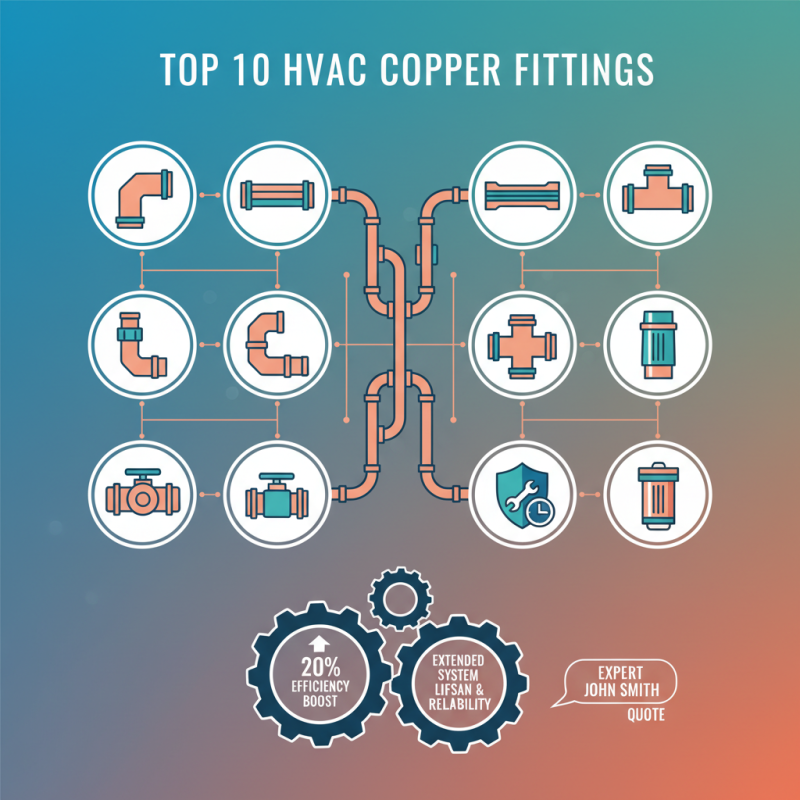
In the realm of HVAC systems, copper fittings are essential components. They ensure efficient connections and prevent leaks in both heating and cooling applications. According to a report by the Air Conditioning Contractors of America (ACCA), using high-quality HVAC copper fittings can boost system performance by up to 20%. This statistic highlights their significance in maintaining system integrity.
Expert John Smith, a leading HVAC engineer, emphasizes, "Investing in the right copper fittings can mean the difference between a reliable system and costly repairs." Properly chosen HVAC copper fittings not only enhance performance but also extend the lifespan of the entire system. They resist corrosion and withstand temperature fluctuations effectively.
However, not all HVAC copper fittings are created equal. Some may fail to meet industry standards, leading to issues like reduced efficiency or frequent repairs. Focusing on quality and compatibility is crucial. Understanding which fittings to prioritize can save contractors and homeowners a lot of future hassles. In this discussion, we'll explore the top 10 HVAC copper fittings that every system needs.
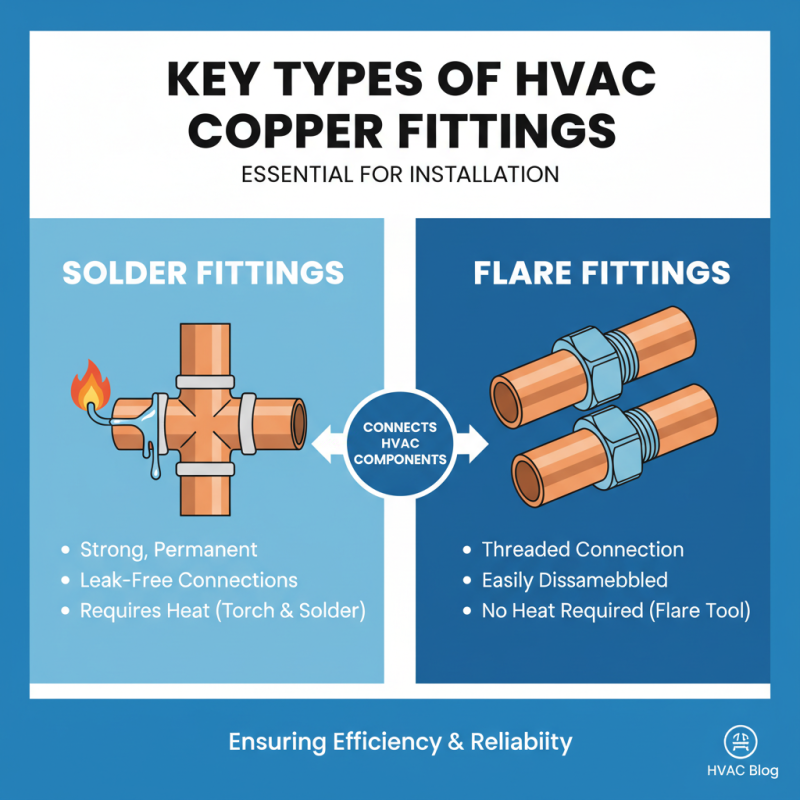
Key Types of HVAC Copper Fittings Essential for Installation
When it comes to HVAC systems, copper fittings are crucial. They connect various components, ensuring efficiency and reliability. Different types of fittings serve unique purposes. Two key types are solder fittings and flare fittings. Solder fittings provide strong, leak-free connections by melting solder around the joint. In contrast, flare fittings offer a threaded connection that can be disassembled easily.
According to industry reports, around 80% of HVAC installations use copper fittings due to their durability and excellent thermal conductivity. In fact, copper's resistance to corrosion enhances system longevity. However, not all installations achieve optimal performance. Incomplete joints or poor soldering techniques can lead to significant energy losses. Small leaks can often go unnoticed but can compromise system efficiency.
It's essential to select the right type of fitting for each part of the system. Adapting to varying temperatures and pressure levels is critical. Reports indicate that improper fitting selection can reduce system efficiency by up to 25%. This emphasizes the need for installers to carefully evaluate each component's requirements. Failing to address these details can result in long-term consequences for both the installation and overall HVAC performance.
Understanding the Functionality and Applications of Each Copper Fitting
When it comes to HVAC systems, copper fittings play a critical role. These fittings connect different pipe sections, ensuring a seamless flow of refrigerants and air. Each type serves a specific function. For example, elbows change the pipe direction, while tees allow for branch connections.
Understanding the design of each fitting is key. A compression fitting provides a tight seal, preventing leaks. Solder fittings require heating and can be more permanent but may need more skill. Each has its strengths and weaknesses. A poorly chosen fitting could lead to future complications.
Tips: Always measure twice before cutting pipes. This avoids mistakes. Inspect fittings for any signs of wear. Regular maintenance is crucial too. Over time, wear can lead to leaks or inefficiency. Keeping an eye on your system can save you from costly repairs down the line. Use your time wisely when planning installations.
Top 10 HVAC Copper Fittings You Need for Your System
| Fitting Type |
Functionality |
Applications |
| Elbow |
Changes the direction of the pipe |
Connecting ducts in HVAC systems |
| Tee |
Allows for branch connections |
Distributing airflow in multiple directions |
| Reducer |
Connects different diameter pipes |
Transition between duct sizes |
| Cap |
Closes the end of a pipe |
Sealing off duct runs |
| Coupling |
Joins two pipes together |
Extending piping systems |
| Union |
Easily connects and disconnects pipes |
Servicing and maintenance |
| Flare |
Forms a tight seal on the pipe |
Connecting refrigerant lines |
| Ball Valve |
Controls flow within the system |
On/off control for refrigerant flow |
| Solder Joint |
Permanently secures copper fittings |
Used throughout the HVAC system |
Factors to Consider When Choosing Copper Fittings for HVAC Systems
When selecting copper fittings for HVAC systems, there are several important factors to consider. Quality is essential. High-quality copper fittings ensure better durability and performance. Look for fittings that resist corrosion and have a reliable sealing mechanism. The right fittings can prevent leaks and enhance system efficiency.
Size and compatibility are critical. Ensure the fittings match your pipe dimensions. Incorrect sizing can lead to installation issues. It’s frustrating when fittings do not align correctly. Pay attention to the specifications. Each manufacturer may have different standards. Checking compatibility means fewer headaches later on.
Also, consider the environmental impact. Some fittings are designed to minimize refrigerant loss. This is crucial for energy efficiency. Sometimes, trying to save costs on materials leads to greater expenses down the line. Weigh your options carefully. Reflecting on these factors can help you avoid common mistakes in your HVAC installations.
Top 10 HVAC Copper Fittings You Need for Your System
Best Practices for Installing HVAC Copper Fittings Safely and Effectively
When installing HVAC copper fittings, safety is paramount. Always wear protective gear, including gloves and safety goggles. Copper can be sharp, and the tools used can cause injury. Plan your workspace before starting. Clear away any clutter to avoid accidents.
Proper technique is crucial for effective installation. Clean the copper surfaces thoroughly before soldering to ensure a strong bond. Use a pipe cutter rather than a hacksaw for cleaner cuts. Practice makes perfect. If you find soldering difficult, consider joining a workshop or watching tutorials online. Rushing through installations can lead to leaks, which is costly.
Monitor your work as you proceed. If you notice discoloration on the fittings, it may indicate overheating. This could weaken the connection. Be cautious and double-check each joint. Ensure proper alignment; misalignment can create stress in the system. Don’t hesitate to redo parts if they don’t look right. Even minor mistakes can lead to significant issues later.
Maintenance Tips for Ensuring Longevity of Copper Fittings in HVAC Systems
Copper fittings are essential in HVAC systems, enhancing efficiency and performance. However, they require proper maintenance for longevity. Studies indicate that improper care can lead to corrosion, which affects the entire system. Regularly checking for signs of wear can help prevent costly repairs.
Cleaning the fittings is crucial. Dust and debris can accumulate, impacting functionality. Use a soft cloth to wipe them down every few months. Additionally, applying a corrosion inhibitor can protect the copper surface. This simple step can dramatically extend the life span of your fittings.
Monitor the system’s pressure regularly. Abnormal pressure levels may indicate leaks or blockages. Addressing these issues early can save significant expenses later. Always keep an eye on connections, as loose fittings are prone to failure. Remember, consistent maintenance ensures your HVAC system runs smoothly and efficiently.