Top 10 HVAC Filter Drier Questions You Need to Know?
In the HVAC industry, the importance of the HVAC filter drier cannot be overstated. This component plays a crucial role in maintaining system efficiency. Research shows that up to 70% of HVAC failures are linked to moisture and contaminants. A faulty filter drier can lead to reduced performance and increased repair costs.
Each HVAC system is unique, and so are its requirements for filter drier maintenance. Regular inspections can prevent issues before they escalate. However, many technicians overlook this aspect. Ignoring the signs of a clogged or malfunctioning filter drier can result in irreversible damage.
Understanding the top 10 questions about HVAC filter driers is essential for homeowners and professionals alike. These questions can guide critical decisions regarding maintenance and replacement. Awareness is the first step towards efficiency and longevity in HVAC systems, yet many still remain unaware of the potential pitfalls. As we dive into these questions, let’s explore how a simple component can have a significant impact on your HVAC investment.
Understanding the Purpose and Function of HVAC Filter Driers
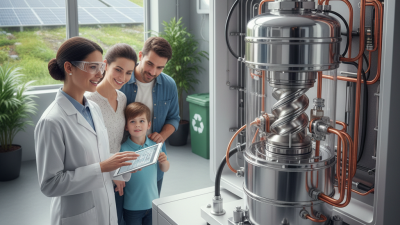
HVAC filter driers play a crucial role in maintaining system efficiency and longevity. They are designed to remove moisture, acids, and contaminants from the refrigerant. By doing so, they help prevent corrosion and blockages. According to a report by the Air Conditioning Contractors of America (ACCA), approximately 30% of HVAC system failures are due to moisture-related issues.
Properly functioning filter driers will ensure smoother operation. They often contain desiccants that absorb moisture effectively. In fact, the right selection of a filter drier can enhance the system's performance by 20%. Regularly checking and replacing these components is vital. It’s easy to overlook them, but neglecting them may result in costly repairs.
Tips: Schedule routine maintenance checks to ensure filter driers are functioning well. Look out for signs of moisture build-up. Keeping an eye on pressure levels can help identify issues early. Always consult with professionals for accurate assessments of your HVAC system.
Common Types of HVAC Filter Driers and Their Applications
When discussing HVAC filter driers, understanding the common types is vital. The most prevalent types are liquid line driers and suction line driers. Liquid line driers are typically used in the refrigerant line, absorbing moisture and preventing system corrosion. They work effectively in high-pressure applications. In contrast, suction line driers operate in the low-pressure refrigerant area, ensuring moisture removal before the refrigerant enters the compressor. These roles are crucial for maintaining HVAC system efficiency.
Industry reports indicate that effective moisture control can enhance system life by up to 30%. This is significant, considering many HVAC systems face moisture-related issues, leading to compressor failure or reduced efficiency. Filter driers come equipped with desiccants, which can be silica gel or molecular sieve. These materials are designed to hold moisture, but their capacity can diminish over time without proper maintenance. A common oversight is ignoring filter drier replacement. Regular checks and timely replacements can save considerable costs on repairs.
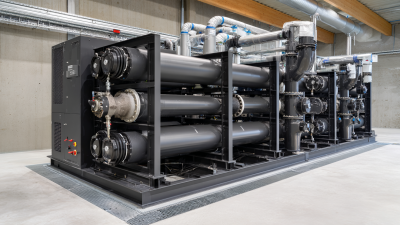
Another important aspect is the application of these driers in different systems. For instance, residential systems may use smaller driers compared to industrial setups. Yet, many overlook this distinction. Using the wrong type can lead to inefficiencies. Likewise, some technicians underestimate the importance of drier sizing. Inadequate sizing can lead to performance issues that go unnoticed. Being aware of these details is crucial for an optimized HVAC system.
Signs That Your HVAC Filter Drier Needs Replacement
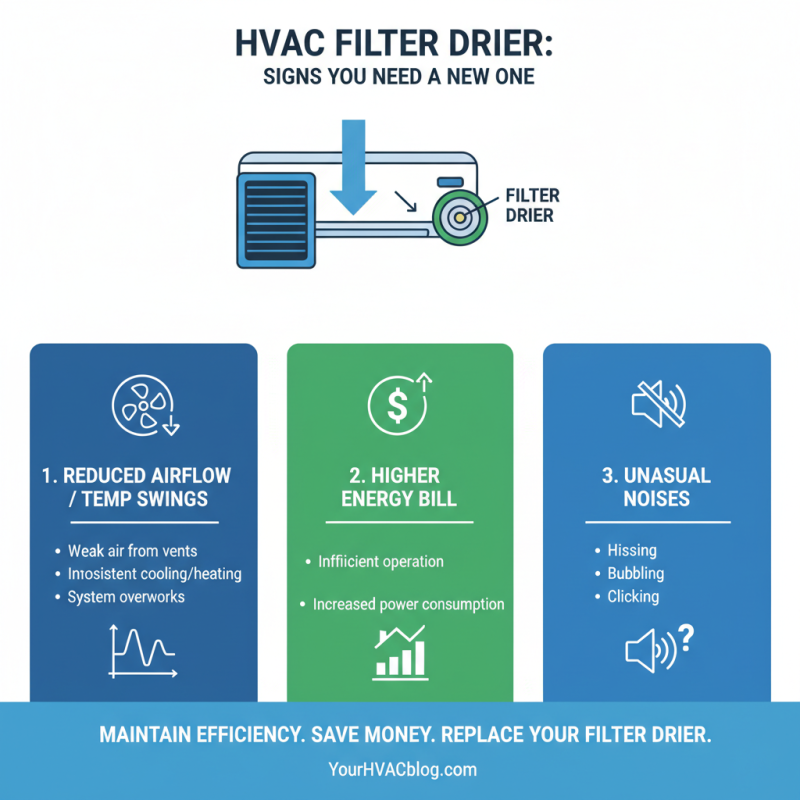
Keeping your HVAC system in check is vital for efficiency. One key component is the filter drier. Signs your HVAC filter drier needs replacement can be subtle yet critical. If you notice reduced airflow or fluctuations in temperature, it may be time for a change. A clogged filter drier can cause the system to overwork, leading to higher energy bills. Watch for unusual noises. If you hear hissing or bubbling, that’s a red flag.
Tips: Regularly inspect your filter drier. Look for signs of wear or leaks. Replace it every few years, depending on your usage. It’s easy to overlook this component. However, doing so can save you money and extend the life of your HVAC system.
Another warning sign is ice buildup. If you spot frost forming on the lines, don’t ignore it. Ice can severely restrict airflow. This could escalate into a more significant issue. Keep your system clear and well-maintained. Sometimes, the solution is as simple as changing the filter drier. Investing a little time now can prevent costly repairs later on.
How to Properly Maintain and Service HVAC Filter Driers
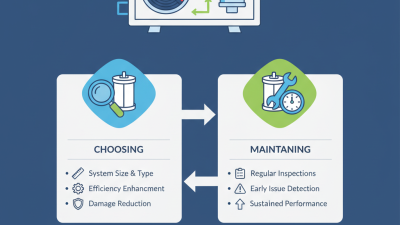
Maintaining and servicing HVAC filter driers is crucial for system efficiency. A report by the U.S. Department of Energy shows that improper maintenance can lead to a 30% reduction in HVAC performance. Regularly checking the filter drier ensures contaminants do not affect the system’s operation. A clogged filter drier can cause refrigerant flow issues, leading to inefficient cooling or heating.
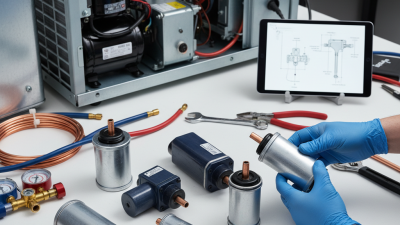
To service a filter drier, start by checking for signs of wear. Look for leaks or physical damage. Replace the drier if it shows significant deterioration. Industry standards recommend replacing filter driers during every refrigerant change. Neglecting this step can lead to system failure. In fact, 20% of HVAC breakdowns are linked to poor filter drier maintenance.
Proper vacuuming is also essential. The presence of moisture can harm system components. Ensuring a dry, clean environment helps prolong the system's lifespan. Technicians often overlook this step. Regular monitoring can enhance performance, yet many do not prioritize this task. Keep up with service intervals to avoid potential issues.
Tips for Selecting the Right Filter Drier for Your System
Selecting the right HVAC filter drier is crucial for system efficiency. It directly impacts performance and longevity. A well-chosen filter drier can remove moisture, acids, and particles from refrigerants. Studies show that nearly 80% of HVAC failures are linked to contamination. This highlights the importance of an effective filter drier.
Consider the capacity and compatibility with your system. The filter drier should match your unit’s refrigerant type. For example, different refrigerants require specific desiccants for optimal performance. A mismatched filter can lead to poor functionality or even system damage.
You must also evaluate the flow rate and pressure drop specifications. A filter drier that restricts flow too much can decrease efficiency. Some reports indicate that an inadequate flow rate can reduce cooling capacity by up to 10%. Always check installation guidelines. Misplaced components can create leaks or blockages. Choose wisely, as the right filter drier can enhance the overall integrity of your HVAC system.