Top Refrigeration Tee Types for Global Buyers?
In the competitive landscape of refrigeration components, choosing the right "Refrigeration Tee" is crucial for success. Expert James O'Reilly, a veteran in the refrigeration industry, emphasizes, "Understanding the nuances of refrigeration tees can make or break a system's efficiency." This statement highlights the importance of material selection and design in maximizing performance.
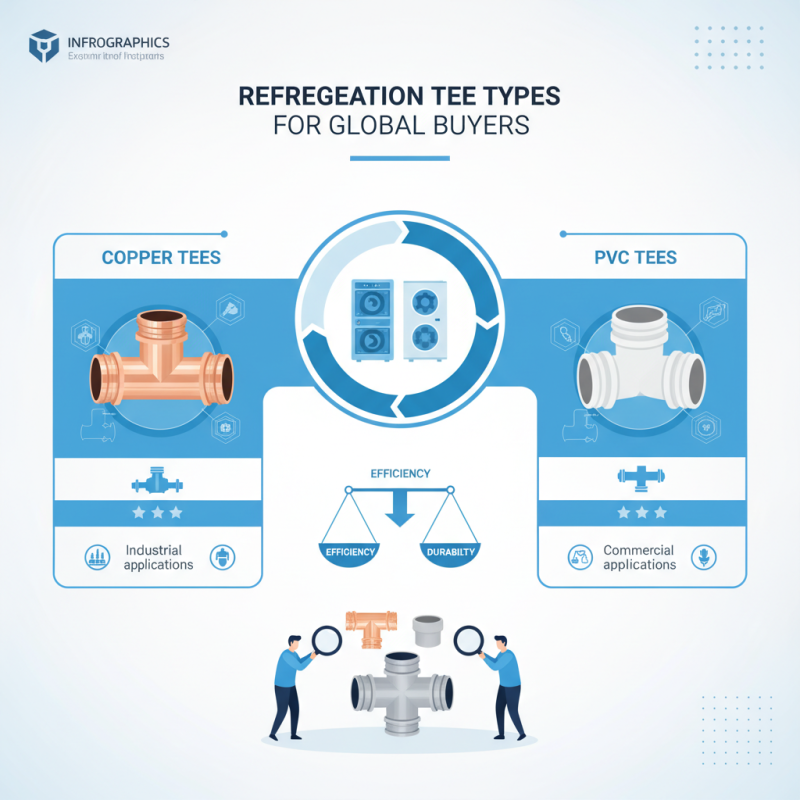
Different types of refrigeration tees serve various applications. Some are made from copper, while others utilize PVC. Each material affects durability and efficiency. Buyers must assess their specific needs, as not all tees will suit every refrigeration system. Proper selection not only enhances performance but also ensures longevity.
Despite the wealth of options available, many buyers struggle with their choices. It’s easy to overlook the implications of a subpar component. Inadequate understanding could lead to inefficiencies down the line. Reflection on one’s choices is essential for making informed decisions in this critical industry.
Types of Refrigeration Tees: An Overview for Global Buyers
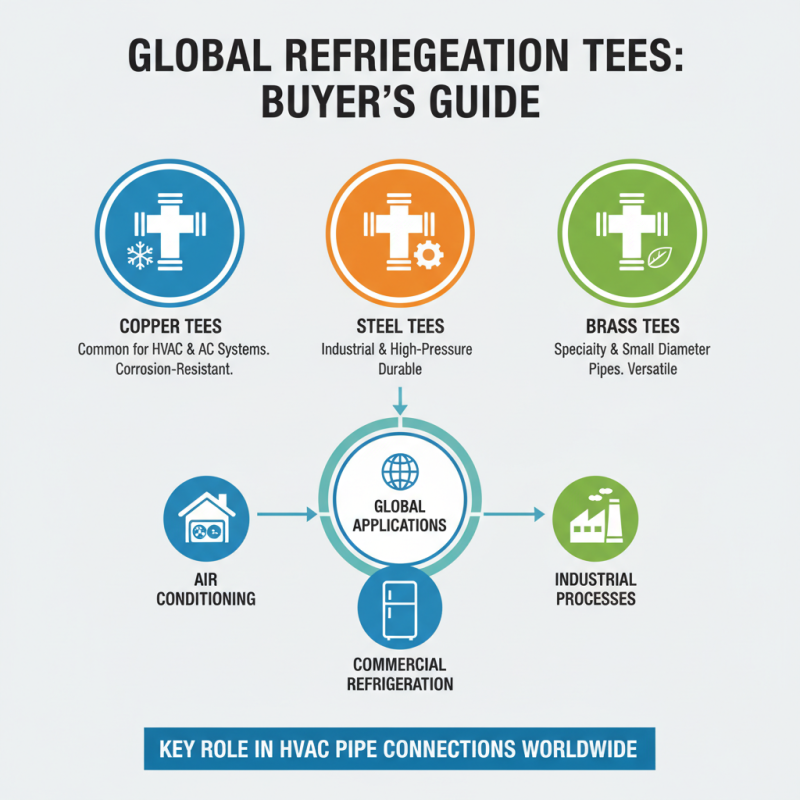
Refrigeration tees play a vital role in HVAC systems worldwide. They are crucial for connecting different pipe segments. Global buyers need to understand the various types available in the market. Each type has its unique applications, such as air conditioning, refrigeration, and industrial processes.
One popular type is the equal tee, which allows equal flow distribution. It is commonly used in refrigeration lines. Another type is the reducing tee, which connects pipes of different diameters. Buyers must carefully consider their specific needs before making a purchase.
Quality is a key factor in choosing refrigeration tees. Materials can vary, impacting performance and longevity. Buyers often overlook this, focusing solely on price. Understanding the specifications can prevent future issues or failures. Sustainable practices are also becoming important. Many buyers seek eco-friendly options. Thus, keeping informed about product advancements is essential for making the best choice.
Material Choices for Refrigeration Tees: Copper vs. Plastic
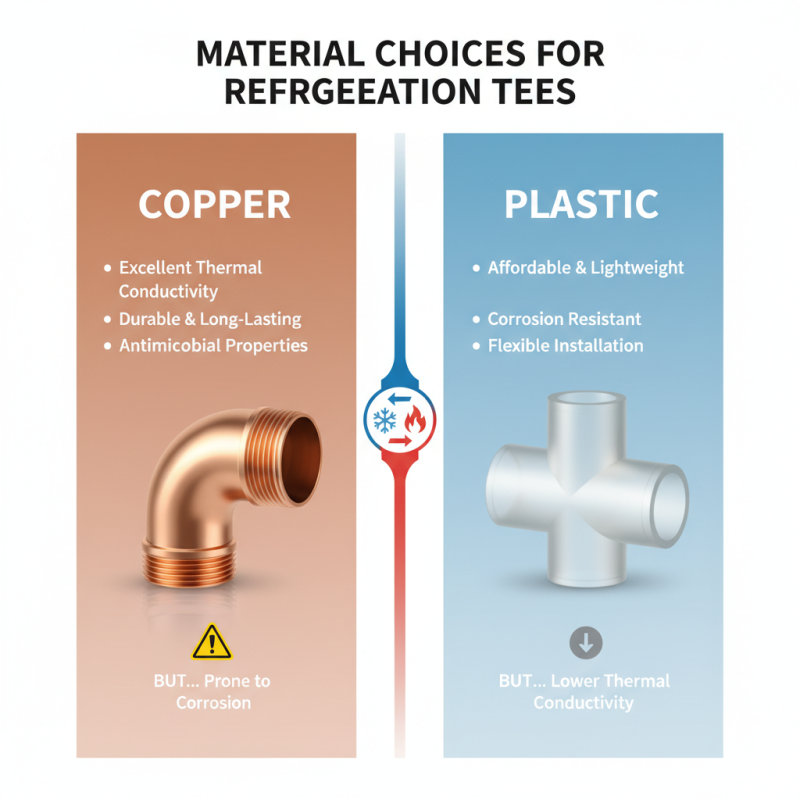
When selecting refrigeration tees, material choice is crucial. Copper and plastic are the most common options. Copper offers excellent thermal conductivity, making it ideal for efficient heat exchange. It is also durable and has antimicrobial properties. However, copper can be prone to corrosion under certain conditions.
Plastic, on the other hand, presents a lightweight and cost-effective alternative. It resists corrosion and is chemically inert. This makes plastic suitable for various refrigerant applications. Yet, it may not endure high temperatures as well as copper.
Each material has strengths and weaknesses. The decision often depends on specific application needs. Consider factors like temperature, pressure, and chemical exposure before choosing. Weighing these elements can lead to better long-term performance. It's important to reflect on these aspects in your decision-making process.
Key Standards and Certifications for Refrigeration Tee Quality
Refrigeration tees are crucial for various applications. Quality assurance is vital when selecting these components. Several key standards and certifications ensure that refrigeration tees meet the necessary specifications. Organizations set these benchmarks to maintain safety and efficiency in refrigeration systems.
One of the primary standards is ISO 9001, which focuses on quality management systems. This certification ensures manufacturers have a systematic approach. Moreover, the ASHRAE guidelines help establish best practices in the HVAC industry, ensuring reliability and performance. Not achieving these standards can lead to inefficiencies in cooling systems.
Careful selection of materials is also essential. Tees made from compliant materials help prevent leaks and prolong service life. However, not all manufacturers consistently produce high-quality products. A lack of stringent adherence to these certifications could compromise safety. Buyers should consult detailed product listings and verify compliance with relevant codes. This due diligence is necessary for optimal performance and safety.
Top Refrigeration Tee Types and Their Certifications
Market Trends: Demand for Eco-friendly Refrigeration Tees in 2023
The demand for eco-friendly refrigeration tees is rapidly growing in 2023. Industry reports indicate that the global market for environmentally sustainable refrigeration products is expected to increase by 20% this year. Consumers are more aware of their carbon footprint than ever before. This trend emphasizes the importance of sustainable materials in the manufacturing process.
Many manufacturers are exploring innovative materials to reduce environmental impact. For instance, using stainless steel instead of traditional plastics can lower greenhouse gas emissions significantly. This shift is crucial, as data shows that over 90% of refrigeration-related emissions come from non-eco-friendly materials. Adoption of such alternatives is, however, uneven across regions. Some markets lag behind due to regulatory challenges or higher manufacturing costs.
Eco-friendly refrigeration tees not only appeal to consumers but also align with government initiatives aimed at reducing energy consumption and emissions. However, this evolution is not without its difficulties. Many companies face hurdles transitioning to greener practices. Supply chain disruptions have made sourcing sustainable materials more complex. These challenges highlight the need for ongoing discussions around best practices and industry standards.
Pricing Analysis: Factors Influencing Refrigeration Tee Costs Globally
When examining refrigeration tee costs, several factors come into play.
Material type significantly affects pricing.
Stainless steel tees tend to be pricier than plastic ones due to durability.
Moreover, the complexity of the design can increase the production cost.
Some designs require advanced technology, leading to higher prices.
Market demand also influences these costs. In regions with high demand, prices may spike due to limited supply.
Seasonal variations can further complicate pricing.
During warmer months, demand for refrigeration increases, affecting availability and costs.
Buyers should be prepared for fluctuations.
Tips: Research local suppliers.
Understanding your regional market can help negotiate better prices.
Always consider the long-term value of a product.
Cheaper options may lead to higher maintenance costs later.
Finally, seek expert opinions when selecting materials.
Quality should never be compromised for savings.