2026 Best Hvac Copper Fittings for Global Buyers?
In the ever-evolving world of HVAC systems, finding quality HVAC copper fittings is crucial. These fittings serve as essential components in establishing efficient and reliable cooling and heating solutions. With an increasing demand globally, it is vital for buyers to understand what makes the best options stand out.
Quality HVAC copper fittings must meet specific standards. This includes durability, corrosion resistance, and compatibility with various systems. However, not all products on the market can ensure these traits. Some may look appealing but fall short in performance. Buyers must navigate through a myriad of choices, which can be overwhelming. It's not always easy to discern quality from subpar options.
Despite the challenges, investing in high-quality HVAC copper fittings is worthwhile. The right choice can enhance system efficiency and longevity. Researching reputable brands and understanding product specifications can lead to better decisions. As the global market continues to expand, access to reliable HVAC copper fittings remains a priority for industry professionals. The goal is to ensure that every installation is up to standard and functions effectively.
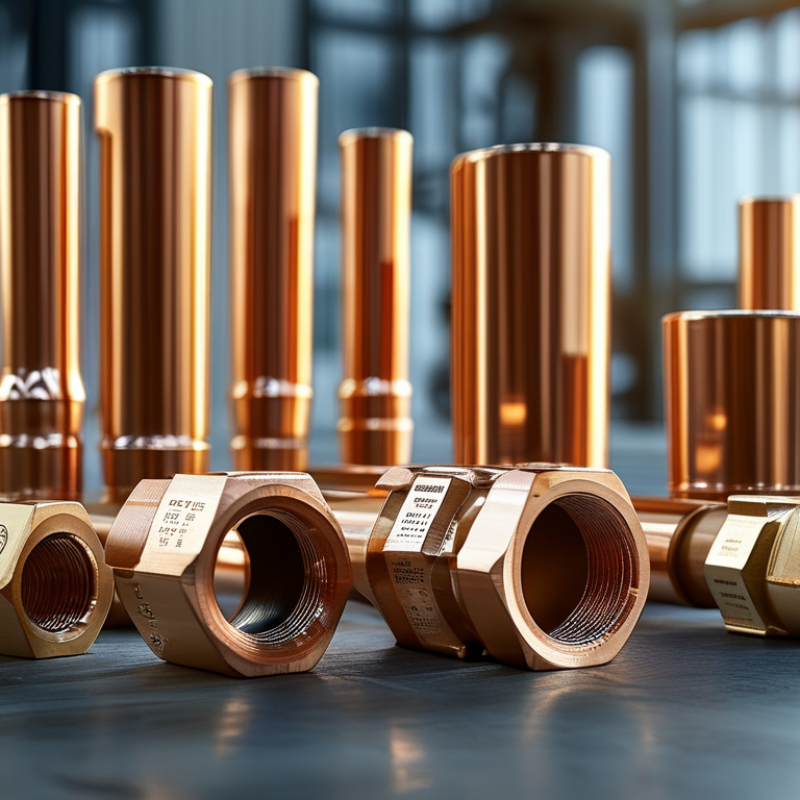
Overview of HVAC Copper Fittings and Their Importance in Systems
HVAC copper fittings play a critical role in the efficiency and reliability of heating, ventilation, and air conditioning systems. These fittings connect various components, ensuring a seamless flow of refrigerants and air. Their durability is essential for long-term performance. Copper is often chosen for its excellent thermal conductivity and corrosion resistance. This material ensures that systems operate at optimal levels, reducing the chances of leaks or failures.
Understanding the importance of these fittings cannot be overstated. Improper installation can lead to inefficient systems or costly repairs. While many professionals are skilled, mistakes can happen. Even minor errors during installation can affect performance and energy consumption. Buyers must seek high-quality options to ensure effectiveness and longevity.
In the realm of HVAC systems, not all copper fittings are created equal. Standards vary widely among manufacturers. It’s crucial for buyers to do thorough research and consider factors such as thickness and design. While cheaper options may be tempting, they often lack the necessary quality. Investing in reliable fittings can lead to better system performance and reduced operating costs over time.
Key Features to Consider When Selecting HVAC Copper Fittings
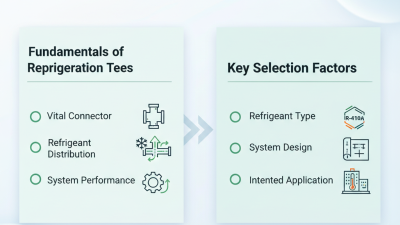
When selecting HVAC copper fittings, key features must be emphasized to ensure efficiency and durability. The size and compatibility of fittings with existing systems are crucial. According to ASHRAE (American Society of Heating, Refrigerating and Air-Conditioning Engineers), improper sizing can lead to 30% increased energy consumption. Additionally, join type is important. Soldered joints, for instance, can create a more stable connection compared to compression fittings.
Material quality influences longevity. High-purity copper offers better corrosion resistance. Data from the Copper Development Association shows that using high-quality copper can extend system life by over 15%. Always check for certifications that indicate compliance with industry standards. This can help avoid issues down the line, such as leaks or inefficient performance.
Another factor to consider is the climate in which the HVAC system operates. Different environments can affect fitting performance. For example, corrosion is more prevalent in humid areas. It's important to assess installation conditions before making a choice. A mismatch can lead to costly repairs later. Remember, not every fitting will work flawlessly in all situations. Researching and selecting the right options is essential.
Top Brands in the Market for HVAC Copper Fittings in 2026
When it comes to HVAC copper fittings, choosing a brand is crucial. Many manufacturers offer a range of fittings, each with unique characteristics. Quality copper is essential. It impacts durability and performance. Reliable brands focus on creating products that withstand high pressures and temperature changes. These factors are vital in maintaining efficient HVAC systems.
Some brands have established a reputation for excellence in craftsmanship. They use advanced technology to ensure precise dimensions. This precision minimizes leaks and enhances system efficiency. Other brands focus on innovation, introducing new designs that simplify installation and maintenance. A well-designed fitting makes life easier for technicians.
Buyers should also consider the certification of fittings. Products must meet industry standards for safety and performance. However, not all brands maintain consistent quality. Some may have occasional defects that can lead to issues in the long run. Understanding the market landscape and analyzing consumer reviews can guide buyers in making informed decisions. Balancing price with quality is often a challenging task for many.
Comparison of Price Points and Quality of HVAC Copper Fittings
When selecting HVAC copper fittings, quality and price are key factors. Not all fittings are created equal. Some manufacturers cut corners, resulting in lower-quality products. Buyers should be cautious about inexpensively made fittings, as they may lead to leaks and inefficient systems.
The price range for copper fittings can vary substantially. High-quality fittings usually carry a higher price tag but offer durability and reliability. In contrast, cheaper options might be appealing at first glance but may require a higher long-term cost due to replacements. It’s essential to weigh the upfront cost against potential future expenses.
Thoughtful consideration is needed when choosing between different pricing options. Consider the application and environment. Certain projects may benefit from premium fittings, while others might only need basic options. A little research can uncover valuable insights into quality versus price, guiding buyers to make informed decisions. Just remember, a fitting that seems economical today can become costly tomorrow if reliability is sacrificed.
Sustainability and Environmental Impact of Copper in HVAC Applications
Copper has long been a staple in HVAC applications due to its excellent conductivity and durability. However, its environmental impact and sustainability are crucial topics in today's eco-conscious world. Copper is recyclable, which makes it a favorable option for those seeking sustainable solutions. The recycling process is efficient and has minimal energy consumption compared to the extraction of new copper. This significantly reduces the overall carbon footprint.
When choosing copper fittings, consider the lifecycle analysis of materials. Some manufacturers may use techniques that lessen the environmental impact during production. Pay attention to certifications that confirm a product's commitment to energy efficiency and sustainability. Engaging with suppliers who prioritize green practices can lead to better choices for your HVAC systems.
Installation practices also play a role in sustainability. Proper sealing and insulation of copper fittings can prevent energy loss, ultimately benefiting the environment. Regular maintenance is essential to ensure long-lasting performance while minimizing waste associated with premature replacements. Sometimes, overlooking maintenance can lead to inefficiencies and increased emissions, highlighting the need for proactive care in HVAC systems.
2026 Best HVAC Copper Fittings for Global Buyers