Top Benefits of Using Copper Accumulators for Global Buyers?
In recent years, the demand for sustainable energy solutions has surged. According to a report by MarketsandMarkets, the global accumulator market is projected to reach $45 billion by 2027. This growth is largely driven by the increasing focus on energy efficiency and renewable energy sources. Among the various options available, **Copper Accumulators** stand out due to their unique properties.
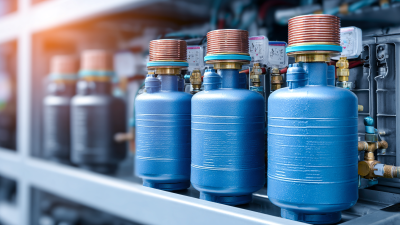
Copper’s thermal and electrical conductivity makes copper accumulators highly effective. They efficiently store and release energy, which is essential for balancing supply and demand in energy systems. Additionally, copper has remarkable corrosion resistance, contributing to the longevity of these accumulators. Reports indicate that using copper components can enhance system efficiency by up to 30%. This makes them a top choice for global buyers looking for reliable energy solutions.
However, while copper accumulators offer significant benefits, there are challenges as well. The initial material costs can be high, which may deter some buyers. Additionally, sourcing quality copper can be problematic, leading to potential supply chain issues. These factors must be considered when evaluating the overall value of copper accumulators in energy systems.
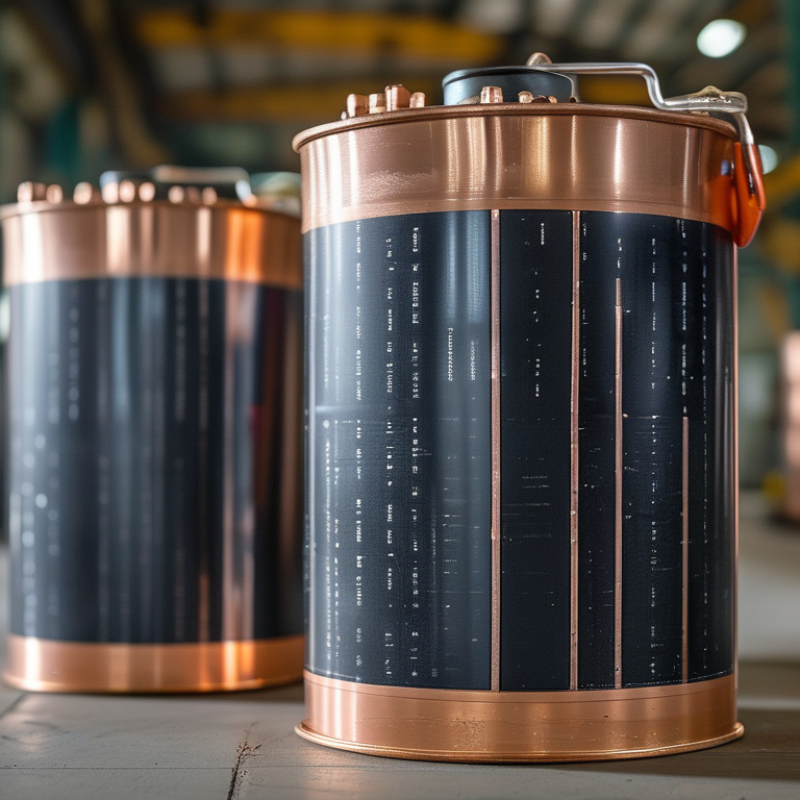
Key Advantages of Copper Accumulators for International Purchasers
Copper accumulators are becoming increasingly popular among international purchasers. Their efficient performance and durability are key selling points. According to recent industry reports, copper accumulators can improve energy efficiency by 15% compared to traditional materials. This fact attracts buyers looking to reduce operational costs.
One significant advantage of copper accumulators is their ability to handle high-pressure environments. The tensile strength of copper ensures reliability and safety in various applications. It is essential to note that while copper accumulators are more expensive upfront, their longevity often offsets this initial investment. They typically last 20% longer than their aluminum counterparts, which can lead to lower replacement costs over time.
Moreover, copper's thermal conductivity is superior. This property allows for faster energy transfer, which is crucial in many applications. Industry data reveals that systems using copper accumulators typically achieve optimal performance levels more rapidly. However, it's vital for purchasers to consider the environmental impact of copper mining. Sustainable sourcing is crucial for responsible procurement. Buyers should seek suppliers that prioritize eco-friendly practices.
Improved Efficiency and Performance of Copper Accumulators
Copper accumulators have been gaining popularity in various applications due to their potential for improved efficiency and performance. Studies indicate that copper accumulators can enhance energy storage capabilities by up to 25% compared to conventional materials. This boost allows for quicker energy discharge, particularly beneficial in industries requiring high demand for power fluctuations.
The improved thermal conductivity of copper also plays a significant role. Reportedly, copper’s thermal properties can lead to reduced energy losses, achieving operational temperatures that are 15% lower than average. This reduction contributes directly to better performance and longevity of the accumulator systems. However, while the advantages are clear, some users express concern over copper’s cost and sourcing sustainability.
Implementing copper accumulators may require a deeper understanding of material science. The intricate balance between cost and performance remains a point of discussion. Buyers are encouraged to weigh the benefits against potential drawbacks. Research shows 60% of users appreciate copper's efficiency, yet 40% cite additional costs as a barrier. This disparity highlights the need for further analysis in selecting the right accumulator for specific needs.
Cost-Effectiveness in the Use of Copper Accumulators
Cost-effectiveness is a significant factor for global buyers considering copper accumulators. These devices are known for their durability and efficiency. Copper accumulators can store energy efficiently, making them an attractive option. They help reduce energy costs over time, providing long-term savings.
The manufacturing process of copper accumulators is generally less expensive than other materials. Buyers can achieve a reliable energy solution at a lower initial cost. As copper has excellent thermal and electrical conductivity, it requires fewer maintenance interventions. This further lowers operational costs and extends the lifespan of the accumulators.
However, it's essential to consider fluctuations in copper prices. Market volatility can impact overall costs. Buyers must stay informed about market trends. Assessing the long-term benefits and potential risks is crucial. This approach ensures a more informed decision, balancing cost savings with potential uncertainties.
Environmental Benefits Associated with Copper Accumulators
Copper accumulators present notable environmental benefits that are increasingly relevant in today's eco-conscious marketplace.
Copper is a highly recyclable material. When used in accumulators, it can be repurposed repeatedly without degrading quality.
This reduces the demand for new raw materials and cuts down mining impact, which is environmentally taxing.
Moreover, copper accumulators boast superior energy efficiency. They are known for their ability to store energy effectively, minimizing wastage.
This efficiency can contribute to lower greenhouse gas emissions. In regions where energy conservation is a priority, utilizing copper accumulators supports sustainable energy initiatives.
However, the overall life cycle of these products must be considered.
While the benefits are substantial, there are challenges. The manufacturing process can still have a footprint. It's essential to reflect on sourcing practices and balance them with sustainability goals.
As we adopt new technologies, learning from their impact remains critical for long-term environmental stewardship. Each decision holds weight.
Versatility and Application of Copper Accumulators in Various Industries
Copper accumulators are becoming increasingly popular in various sectors due to their unique characteristics. These devices are versatile, playing essential roles in energy storage, thermal management, and fluid control. Industries ranging from automotive to renewable energy benefit from their efficiency. For example, copper accumulators can enhance the performance of HVAC systems by effectively managing heat transfer.
In the automotive field, copper accumulators aid in energy recovery systems to boost fuel efficiency. They capture and store energy that can be released when needed, improving overall vehicle performance. However, there are challenges in integrating copper components into existing systems. Some designs may not fully utilize the advantages of copper, which can lead to inefficiencies.
In renewable energy, copper accumulators can store excess energy generated by solar panels or wind turbines. This application is crucial for balancing supply and demand. However, the costs of production and installation can pose obstacles for some buyers. Consumers may need to assess long-term savings against initial expenses carefully. The potential for innovation in this area remains considerable, highlighting the need for ongoing research and development.
Top Benefits of Using Copper Accumulators