10 Best Refrigeration Tee Options for Efficient Cooling Solutions?
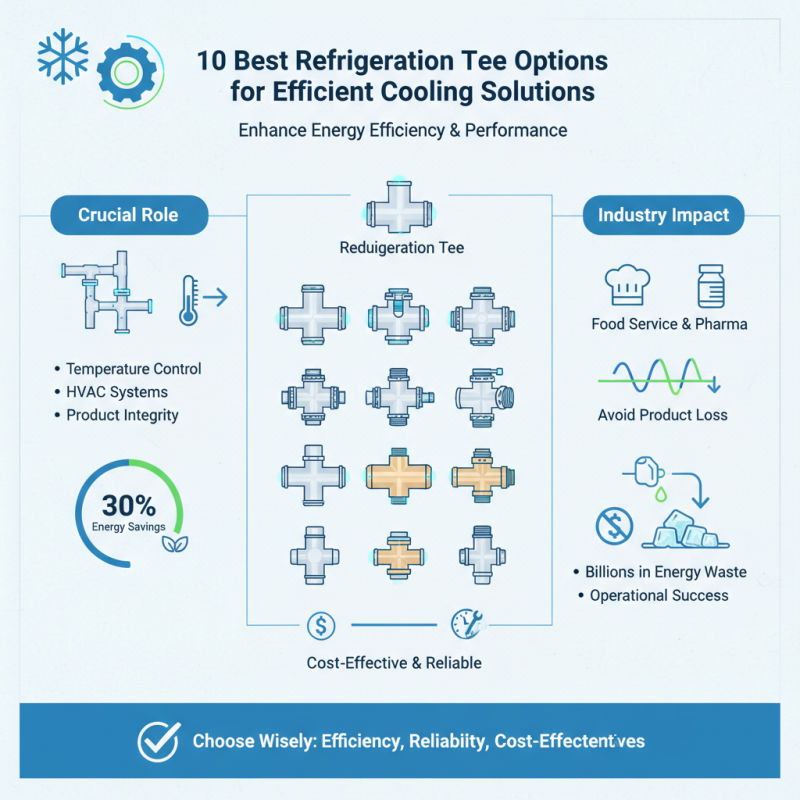
Refrigeration Tee plays a crucial role in modern cooling systems. These components are vital for efficient temperature control in refrigeration and HVAC systems. As reported by the American Society of Heating, Refrigerating, and Air-Conditioning Engineers (ASHRAE), effective refrigeration strategies can enhance energy efficiency by up to 30%. This highlights the importance of selecting the right parts for optimal performance.
Many industries, including food service and pharmaceuticals, rely on refrigeration for storage and transport. Improperly functioning components can lead to temperature fluctuations, affecting product integrity. A recent study from the U.S. Department of Energy pointed out that poor refrigeration practices can result in energy waste amounting to billions of dollars annually. Thus, choosing the right Refrigeration Tee is essential.
Though many options exist, not all are created equal. Some designs may cause pressure drops or increased maintenance costs over time. This underscores the need for careful consideration when selecting a Refrigeration Tee. Evaluating efficiency, reliability, and cost-effectiveness can lead to better decision-making. The right choice can significantly impact operational success.
Understanding Refrigeration Tees and Their Importance in Cooling Systems
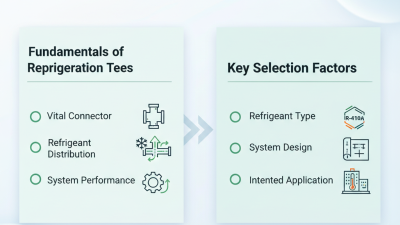
Refrigeration tees play a crucial role in maintaining efficient cooling systems, particularly in industrial applications. These components facilitate the distribution of refrigerants throughout a system, allowing for optimal cooling performance.
According to a report by the International Institute of Refrigeration, improper use of refrigeration tees can lead to a 15% inefficiency in cooling output. This highlights the importance of selecting the right tee configuration for specific applications.
When considering refrigeration tees, material selection and design are vital. For instance, tees made from higher-grade materials exhibit better thermal conductivity, ensuring minimal energy loss. A recent study indicated that using high-quality brass or stainless steel can improve system efficiency by up to 10%. Not all installations utilize tees effectively. In some cases, poorly designed systems can lead to hot spots, causing compressors to work harder and increasing energy consumption.
Understanding the nuances of refrigeration tees can significantly impact system reliability and efficiency. The arrangement of these components affects fluid dynamics. An optimal layout prevents pressure drops that can compromise cooling performance. However, designing an efficient system is not without its challenges. Engineers must consider factors like tubing size and refrigerant type. Balancing these elements requires expertise. Mistakes can lead to costly repairs and inefficient systems.
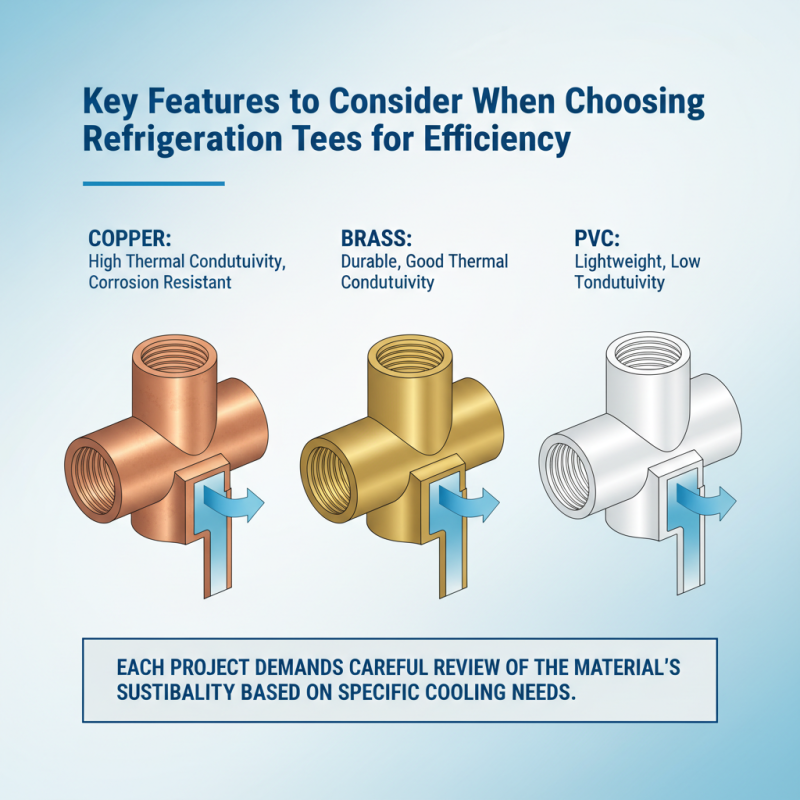
Key Features to Consider When Choosing Refrigeration Tees for Efficiency
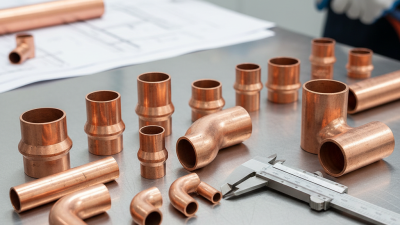
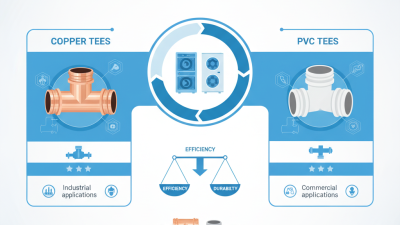
When selecting refrigeration tees, several key features can enhance cooling efficiency. The first aspect to consider is the material. Copper and brass are popular because they resist corrosion. However, some users may overlook the impact of material on thermal conductivity. Lightweight options like PVC may work for certain applications, but they’re not as effective. Each project demands careful review of the material suitability based on specific cooling needs.
Another crucial feature is the size and fitting design. Proper sizing ensures optimal flow and minimizes pressure loss. Users often experience inefficiency from poor fit, leading to leaks. These leaks, although minor, can result in significant coolant loss over time. A good fit is essential, and users should not hesitate to measure accurately before purchasing.
Lastly, consider the insulation properties of refrigeration tees. Adequate insulation reduces energy waste and enhances cooling performance. Often, users may overlook the insulation factor while focusing solely on cost. An investment in well-insulated tees pays off in the long run. Every decision impacts overall system efficiency, and being critical of each component is vital for a successful cooling system setup.
Top 10 Refrigeration Tee Options for Improved Performance and Reliability
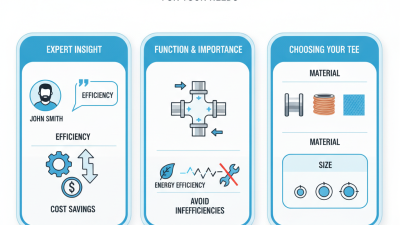
In the refrigeration industry, selecting the right tee connections is crucial for improved performance and reliability. Research indicates that nearly 30% of cooling inefficiencies can be traced back to inadequate piping systems. High-quality refrigeration tees can minimize pressure drops and enhance the overall efficiency of cooling systems. A well-designed tee can result in optimal fluid flow, which is vital for maintaining the desired temperature.
Many experts emphasize the importance of using tees that comply with industry standards. Failure to do so can lead to frequent leaks and costly repairs. Additionally, data from recent surveys show that systems using inferior tees experience a 15% reduction in energy efficiency. It is essential to recognize that not all products are created equal, and the choice of materials can significantly impact longevity and effectiveness.
Reliability is key in refrigeration systems. Studies reveal that leading causes of system failures are linked to poor quality components. Investing in robust refrigeration tees can reduce downtime and increase operational efficiency. However, it’s imperative to balance upfront costs with long-term performance. Evaluating different options critically can help identify the best solutions tailored to specific cooling needs.
Refrigeration Tee Options for Improved Performance
This bar chart illustrates the cooling efficiency ratings of various refrigeration tee options. The ratings are based on their performance, with 10 being the most efficient. These options cater to different cooling needs, enhancing overall reliability in refrigeration systems.
Comparative Analysis of Material Types Used in Refrigeration Tees
When selecting refrigeration tees, the type of material can greatly impact efficiency.
Common materials include copper, stainless steel, and plastic.
Copper is known for its excellent thermal conductivity, allowing effective heat transfer. However, it's susceptible to corrosion over time.
Stainless steel stands out for its durability and resistance to rust. While more expensive, it offers longevity in harsh environments.
Plastic refrigeration tees are lightweight and resistant to many chemicals. They may not perform as well under extreme temperatures but can be a cost-effective solution in specific applications.
It's crucial to consider the operating conditions when choosing a material. Each type presents unique benefits and challenges that can affect your overall cooling efficiency.
Tip: Always inspect the material for signs of wear or damage. Even minor flaws can lead to bigger issues down the line.
The choice of material also dictates installation methods. Copper often requires soldering, while stainless steel can be welded.
Plastic, on the other hand, may utilize simpler joining techniques. Understanding these differences can help avoid installation mistakes.
Tip: Consult an expert when in doubt about installation. A small mistake could lead to significant inefficiency.
Installation Tips and Best Practices for Maximizing Cooling Efficiency
When it comes to maximizing cooling efficiency, proper installation of refrigeration tees is crucial. Start by ensuring all connections are tight. Loose fittings can cause refrigerant leaks, which reduce system efficiency. A snug fit creates a better seal, preventing any unwanted airflow. Additionally, consider the placement of your tees. Position them to minimize bends and turns in the piping. This reduces pressure drop, helping to maintain an optimal flow of refrigerant.
Using the right materials is another important aspect. Choose durable materials that can withstand varying temperatures and pressures. Over time, some materials may degrade, leading to compromised system performance. Regular checks can help identify issues before they escalate. Pay attention to the insulation around your refrigeration components. Without proper insulation, energy loss can occur. This simple step can enhance your system's performance significantly.
Finally, do not overlook the importance of routine maintenance. Cleaning the system and inspecting the tees annually can help catch potential problems. Deteriorating components can lead to major failures and increased costs. It’s essential to remain vigilant and proactive in your approach. Sometimes, even small adjustments can yield significant improvements. Implementing these best practices requires attention and diligence, but the rewards in cooling efficiency are well worth the effort.
10 Best Refrigeration Tee Options for Efficient Cooling Solutions
| Tee Type |
Material |
Size (inches) |
Temperature Range (°F) |
Max Pressure (psi) |
Efficiency Rating (%) |
| Type A |
PVC |
1 |
-20 to 140 |
150 |
82 |
| Type B |
Copper |
1.5 |
0 to 200 |
300 |
90 |
| Type C |
Brass |
2 |
-10 to 180 |
250 |
88 |
| Type D |
Stainless Steel |
1 |
-50 to 300 |
500 |
95 |
| Type E |
Aluminum |
1.25 |
-20 to 150 |
200 |
85 |
| Type F |
Polypropylene |
0.75 |
-10 to 120 |
100 |
78 |
| Type G |
Cast Iron |
3 |
-30 to 250 |
600 |
92 |
| Type H |
Carbon Steel |
2.5 |
-20 to 200 |
350 |
89 |
| Type I |
Nylon |
1 |
-10 to 130 |
80 |
75 |
| Type J |
Teflon |
0.5 |
-40 to 260 |
90 |
94 |