2026 How to Choose the Best Mini Fridge Compressor for You?
Choosing the right Mini Fridge Compressor is crucial for efficiency and performance. A report from the U.S. Department of Energy highlights that the refrigerator sector accounts for about 7-10% of total household energy consumption. This underscores the importance of selecting an energy-efficient compressor.
Mini fridge compressors come in various types, each with its benefits. Understanding their specifications can impact their efficiency and cooling ability. Notably, Energy Star-certified models are designed to use at least 15% less energy than non-certified models. However, some consumers overlook this aspect, leading to higher energy bills.
When purchasing, consider the size and output of the compressor. A model that’s too small may struggle to maintain optimal temperatures. Conversely, an oversized compressor can lead to wasted energy. Reflecting on these factors can help you make a more informed choice that balances performance and efficiency.
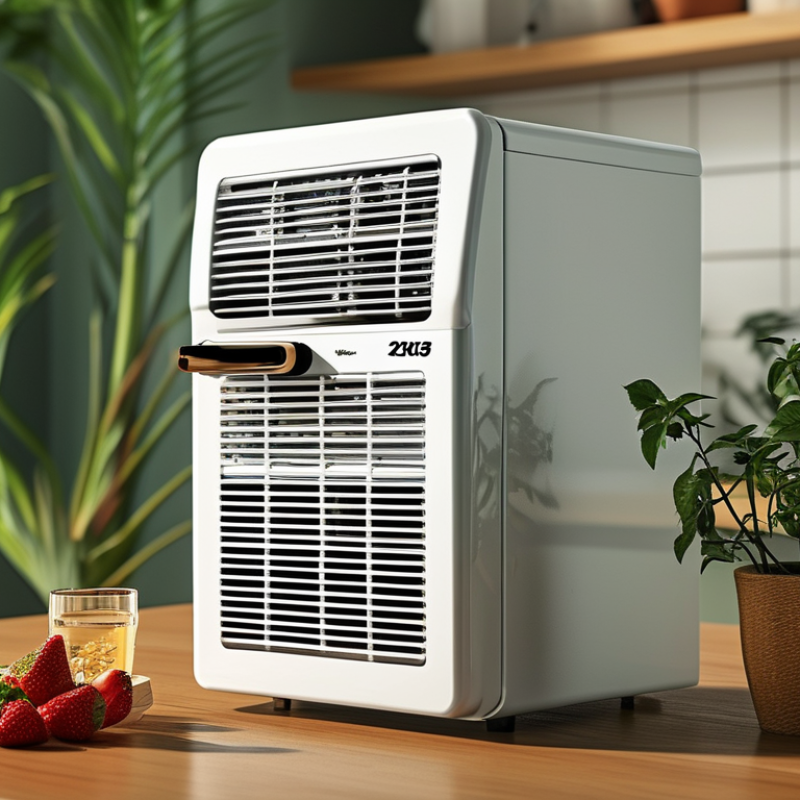
Understanding the Basics of Mini Fridge Compressors
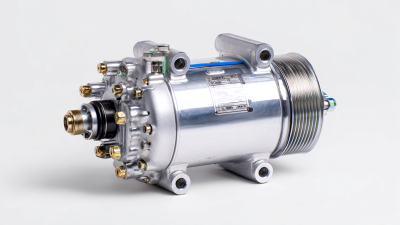
When choosing a mini fridge, understanding the compressor is key. Compressors come in two main types: reciprocating and rotary. Reciprocating compressors are more common. They create cooling by compressing refrigerant gas. This type is usually robust and suitable for various environments, making it a solid choice for many consumers.
Rotary compressors are smaller and quieter but may lack the same efficiency. They work well in compact spaces but might struggle under heavy use. It's essential to recognize what you need. If noise is a concern, the rotary option could be ideal. However, think about long-term durability too. You might find that choosing a reciprocating compressor offers more reliability over time.
Pay attention to energy efficiency ratings as well. An efficient model saves money on your utility bills. But keep in mind: efficiency can come at a greater initial cost. Reflect on your personal needs carefully. Whether for a dorm, office, or garage, every setting has specific requirements. Assessing these factors will guide you toward the best choice for your lifestyle.
Key Features to Consider in Mini Fridge Compressors
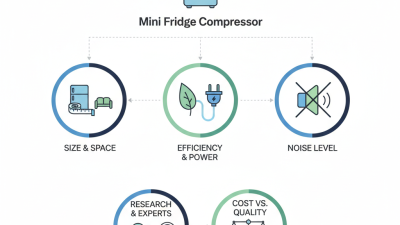
When choosing a mini fridge compressor, focus on energy efficiency. Look for models with good energy ratings. These units save power and reduce operating costs. A fridge that runs efficiently is valuable over time. Check noise levels as well. A quieter compressor can improve your living space.
Consider cooling performance. Different models have varied capacities. Ensure the compressor suits your intended use. If you need to store perishable items, select a fridge with reliable cooling. Additionally, the size matters. A compact unit may fit your space, but ensure it meets your storage needs.
Durability is essential too. A well-built compressor lasts longer and requires less maintenance. Look for features like adjustable temperature settings. This adds versatility and control. Sometimes, users overlook these details and later face inconveniences. Investing time in research can pay off. Make a thoughtful choice.
Comparing Different Types of Mini Fridge Compressors
When selecting a mini fridge compressor, understanding the types available is crucial. Generally, there are two common types: thermoelectric and traditional compressor models. Thermoelectric units are often lighter and quieter. They can efficiently cool small spaces but may struggle in extreme temperatures. Traditional compressors, on the other hand, excel in performance, cooling quickly and effectively. However, they can be noisier and require more energy.
Another consideration is the size and intended use of the mini fridge. If you plan to store beverages, a thermoelectric model might suit your needs. For perishables, a compressor fridge is more reliable. Reflecting on your current and future needs is essential. Think about your consumption and space constraints. A small miscalculation can lead to dissatisfaction. Do you need something compact or a bit larger?
Lastly, energy efficiency plays a key role. Compressors are often rated for efficiency. Higher efficiency means lower utility bills over time. However, it’s important to evaluate your specific environment. In colder climates, thermoelectric models may perform poorly. Take time to assess where the mini fridge will live. Each choice comes with its pros and cons. Understanding these can prevent regret later on.
Evaluating Energy Efficiency Ratings of Mini Fridge Compressors
When selecting a mini fridge, energy efficiency ratings are critical. These ratings indicate how much energy the fridge consumes over time. A lower energy consumption means lower utility bills, which is essential for long-term use. Additionally, many mini fridges now display Energy Star ratings. These models often use advanced technology to maximize cooling efficiency while minimizing electricity use.
Understanding energy efficiency means looking beyond just ratings. Each fridge has a different compressor type, which impacts its energy use. A variable-speed compressor is often more efficient than a traditional one. Consumers should consider the size and layout of the intended space. A poorly positioned fridge can struggle to maintain temperature effectively, leading to excess energy consumption.
Evaluating a mini fridge goes beyond initial cost. It’s crucial to analyze the operational cost over time. This analysis reveals the real expense associated with ownership. A costlier, energy-efficient mini fridge may offer savings in the long run. Yet, this isn't a one-size-fits-all situation. Reflecting on specific needs can guide your decision. Choosing the right model requires careful consideration and research into efficiency ratings and compressor types.
Energy Efficiency Ratings of Mini Fridge Compressors
Tips for Maintaining Your Mini Fridge Compressor for Longevity
Maintaining your mini fridge compressor is essential for ensuring its longevity. Regular cleaning can enhance performance and prevent overheating. Dust and debris can accumulate, causing the compressor to work harder. Use a soft cloth or vacuum to clean the vents and coils regularly. This small step can significantly prolong its life.
Another key aspect is monitoring the temperature settings. Keeping your mini fridge at an appropriate temperature not only preserves food but also reduces the wear on the compressor. Setting it too low can make it overwork, leading to potential failure. Aim for the recommended temperature of around 35 to 38 degrees Fahrenheit.
In addition, consider its placement. If the fridge is crammed into a tight space, airflow may be restricted. This can lead to excess heat buildup and decreased efficiency. Providing ample space around the fridge for airflow is a simple yet effective solution. Reflecting on these practices can lead to a better understanding of your appliance’s needs.
2026 How to Choose the Best Mini Fridge Compressor for You?
| Feature |
Description |
Importance |
Maintenance Tips |
| Energy Efficiency |
Check the energy rating to reduce electricity costs |
High |
Regularly clean the condenser coils |
| Noise Level |
Look for models with lower decibel ratings for quiet operation |
Medium |
Avoid overloading the fridge to reduce noise |
| Size & Capacity |
Select a size that fits your space and storage needs |
High |
Keep the fridge well-organized to maximize space |
| Cooling Performance |
Ensure uniform cooling and maintain temperature consistency |
High |
Monitor the temperature settings regularly |
| Build Quality |
Durable materials can extend the lifespan of the appliance |
Medium |
Avoid extreme temperatures and direct sunlight |