Why Is Filter Drier Core Essential for HVAC Systems?
The importance of the Filter Drier Core in HVAC systems cannot be overstated. According to James Carter, a leading HVAC expert, “The efficiency of any HVAC system heavily depends on the quality of its components.” This statement rings true, especially when considering the pivotal role that the Filter Drier Core plays.
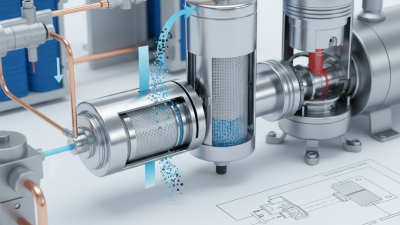
Filter Drier Cores are designed to remove moisture and contaminants from refrigerants. They protect the system from damage and ensure optimal performance. Without a well-functioning Filter Drier Core, an HVAC system may face reduced efficiency and potential failures. Monitoring and maintaining this core component is essential for system longevity and reliability.
Experts often point out common oversights. Many technicians underestimate the frequency of filter changes. Regular maintenance routines must include checking the Filter Drier Core. Neglecting this critical step can lead to costly repairs. Reflecting on these practices reveals that even small details can significantly impact HVAC system performance.
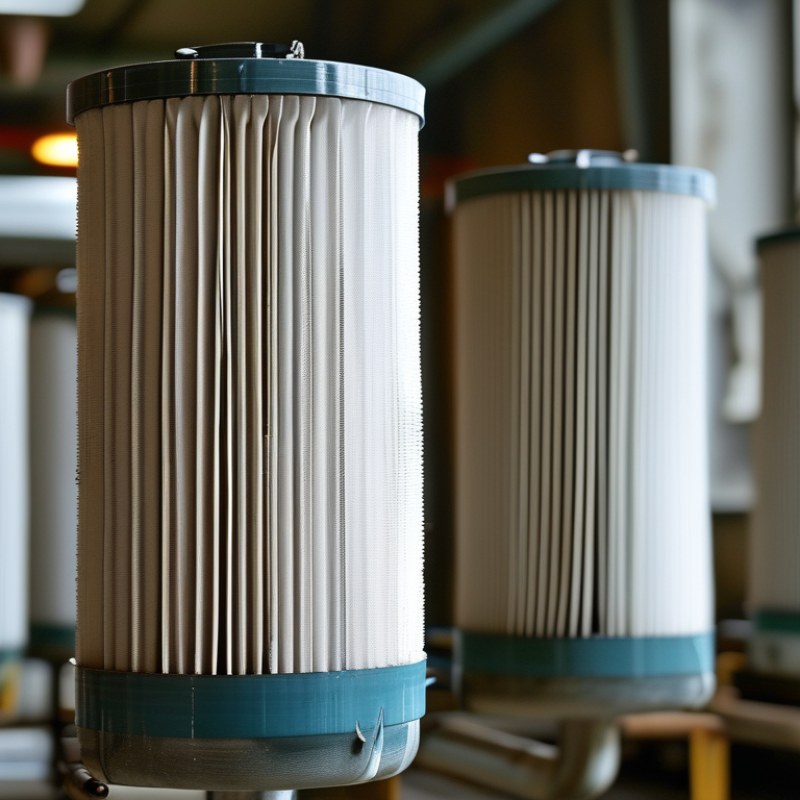
Importance of Filter Drier Core in HVAC System Efficiency
The filter drier core plays a critical role in HVAC system efficiency. It acts as a moisture absorber, protecting the components from water damage. A report by the American Society of Heating, Refrigerating and Air-Conditioning Engineers (ASHRAE) states that moisture can reduce system efficiency by up to 25%. A reliable filter drier ensures optimal refrigerant flow and prevents sludge buildup. This enhances the system's performance and lifespan.
Tips: Regular maintenance helps detect issues early. Check and replace the filter drier core as needed. A well-maintained system runs cooler and saves energy costs.
Poor installation can lead to problems. For example, an improperly sized filter drier may not effectively remove moisture. This imbalance can cause compressor failure. According to industry studies, 30% of HVAC breakdowns stem from moisture-related issues. Careful selection and installation of a quality filter drier are essential.
Efficient HVAC systems are not just about cooling or heating. They require a holistic approach to maintenance. Owners should consider the implications of neglecting the filter drier core. The cost of repairs often outweighs the benefits of ignoring this essential component.
Why Is Filter Drier Core Essential for HVAC Systems?
| Dimension |
Value |
| Filtration Efficiency |
99.9% |
| Moisture Absorption Capacity |
20 grams |
| Operating Temperature Range |
-10°C to 50°C |
| Average Lifespan |
5 years |
| Common Installation Areas |
Refrigeration and Air Conditioning Units |
Role of Filter Drier Core in Moisture and Contaminant Control
In HVAC systems, the filter drier core plays a crucial role in maintaining efficiency. Its primary function is to control moisture and contaminants. Both moisture and impurities can damage the system over time. When moisture enters a refrigerant system, it can cause serious operational issues.
The filter drier core absorbs excess moisture and filters out harmful particles. This keeps the refrigerant clean and dry. A clean refrigerant ensures efficient heat exchange. It also helps prevent rust and corrosion in the system components. Regular maintenance of the filter drier core can prolong equipment life.
However, neglecting this component can lead to costly repairs. Many overlook the importance of a functioning filter drier core. This can result in decreased efficiency and higher energy bills. Understanding its significance is essential for anyone involved in HVAC maintenance.
Importance of Filter Drier Core in HVAC Systems
Impact of Filter Drier Core on Refrigerant Lifespan
The filter drier core plays a crucial role in HVAC systems. It removes moisture and contaminants from the refrigerant, ensuring smooth operation. Too much moisture can lead to corrosion and damage. Contaminants like dirt can clog the system, reducing efficiency and increasing wear. Regular servicing can help maintain the filter drier core's effectiveness.
A well-functioning filter drier core extends the lifespan of refrigerants. Clean refrigerants circulate freely, improving cooling capacity. Over time, dirty or malfunctioning driers can lead to failures. This can result in costly repairs and downtime. It's essential to monitor the condition of the core during routine maintenance.
Using the right components is vital. Sometimes, even a slight oversight can cause significant issues. Proper installation is equally important. Technicians must ensure an airtight fit to prevent leaks. An efficient HVAC system relies on every part working together seamlessly. Being aware of these details can prevent future problems.
Signs of a Failing Filter Drier Core in HVAC Systems
The filter drier core plays a crucial role in HVAC systems. It removes moisture and contaminants from refrigerants. A failing filter drier core can lead to significant operational issues. Recognizing its signs can save time and money.
One common sign is frequent system cycling. If your HVAC unit turns on and off more often than usual, it may struggle to maintain proper pressure. Another indicator is diminished cooling efficiency. If your indoor space feels unusually warm, the filter drier core could be clogged. Additionally, strange noises often accompany a malfunctioning core. You might hear hissing or bubbling sounds indicating blockages.
Regular maintenance checks can prevent these issues. Inspect the filter drier core during routine servicing. Look for signs of wear or corrosion. A proactive approach can keep your HVAC system running smoothly. Ignoring these signs may result in more serious problems, leading to costly repairs down the line.
Maintenance Practices for Optimal Filter Drier Core Performance
Filter drier cores play a pivotal role in HVAC systems by ensuring the efficient operation of refrigeration processes. They help to remove moisture and contaminants from the refrigerant, preventing system damage. Proper maintenance is crucial for optimal performance and longevity of these components.
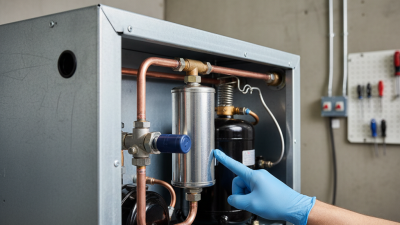
Regular inspection of the filter drier is important. Look for signs of ice buildup or discoloration. These can indicate issues that may require immediate attention. Replacing the filter drier core at recommended intervals prevents clogs and maintains system efficiency.
Tips: Always check the manufacturer's guidelines for maintenance schedules. Keep a log of inspections and repairs. Simple record-keeping can reveal patterns over time.
Another essential practice is to monitor system pressures. Deviations can signal that the filter drier is not functioning properly. This small step can often save costly repairs later. A proactive approach helps maintain HVAC efficiency and reliability. Adjustments may be necessary if pressure varies significantly. Remember, neglecting small issues can lead to larger complications.