Top Refrigeration Copper Fittings for Efficient Cooling Solutions?
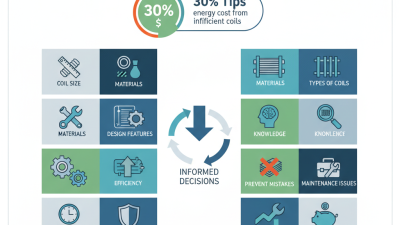
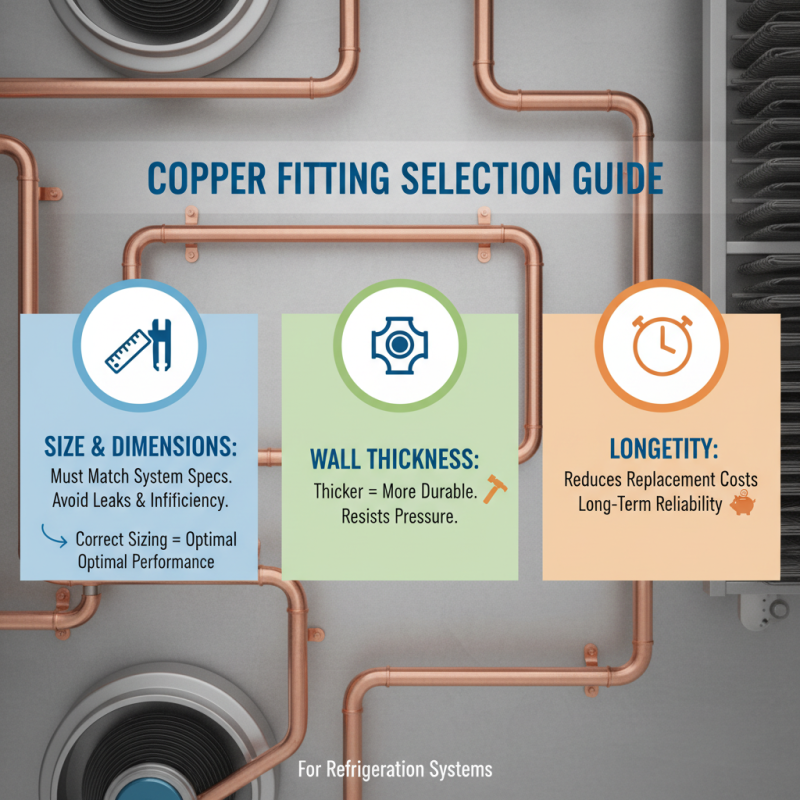
In the world of HVAC systems, effective cooling is crucial. Refrigeration Copper Fittings play a vital role in ensuring that systems operate efficiently. According to recent industry reports, approximately 30% of energy loss in refrigeration systems can be attributed to substandard fittings. This highlights the need for high-quality copper fittings to enhance performance and reduce energy consumption.
Industry experts emphasize that the right choice of Refrigeration Copper Fittings can significantly lower maintenance costs. For instance, using top-notch fittings can prevent leaks, which are often responsible for refrigerant loss. In addition, durable copper fittings contribute to system longevity, with some manufacturers claiming a lifespan of over 25 years with proper use. However, not all products on the market meet these standards, making it essential for professionals to choose wisely.
The refrigeration industry constantly evolves, offering new technologies and fittings. As demands increase for energy-efficient solutions, the importance of reliable copper fittings cannot be overstated. Still, the challenge remains to balance performance, cost, and durability. It is a journey of selection, often requiring professionals to reflect on past choices to make informed decisions for future applications.
Overview of Refrigeration Copper Fittings in Cooling Systems
In modern cooling systems, refrigeration copper fittings play a crucial role. These fittings ensure efficient fluid flow and contribute to the overall performance of the system. According to recent industry studies, nearly 70% of cooling efficiency is linked to the quality of these fittings. High-quality copper fittings facilitate optimal heat transfer and minimize energy loss.
Copper's thermal conductivity is unmatched, making it ideal for refrigeration applications. In many setups, improper fitting can lead to leakage, which significantly impacts cooling capability. Reports indicate that nearly 30% of refrigerant loss in systems stems from faulty connections. Ensuring proper installation and adherence to standards can mitigate these risks and enhance system reliability.
While copper fittings are widely praised for their performance, there are challenges. Their susceptibility to corrosion in certain environments may undermine long-term efficiency. Maintenance becomes key. Regular inspections can prevent costly failures. The industry's shift toward eco-friendly practices also raises questions about material sustainability. Balancing efficiency and environmental concerns is an ongoing discussion among professionals.
Top Refrigeration Copper Fittings for Efficient Cooling Solutions
This chart illustrates the performance ratings of different types of refrigeration copper fittings used in cooling systems. The ratings are based on efficiency, reliability, and application suitability.
Types of Copper Fittings Used in Refrigeration Applications
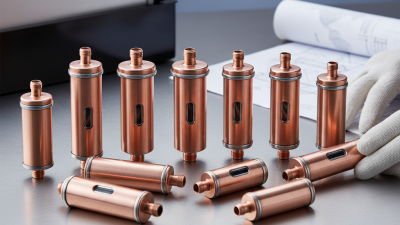
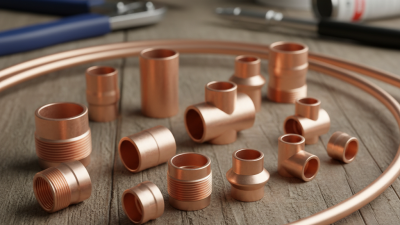
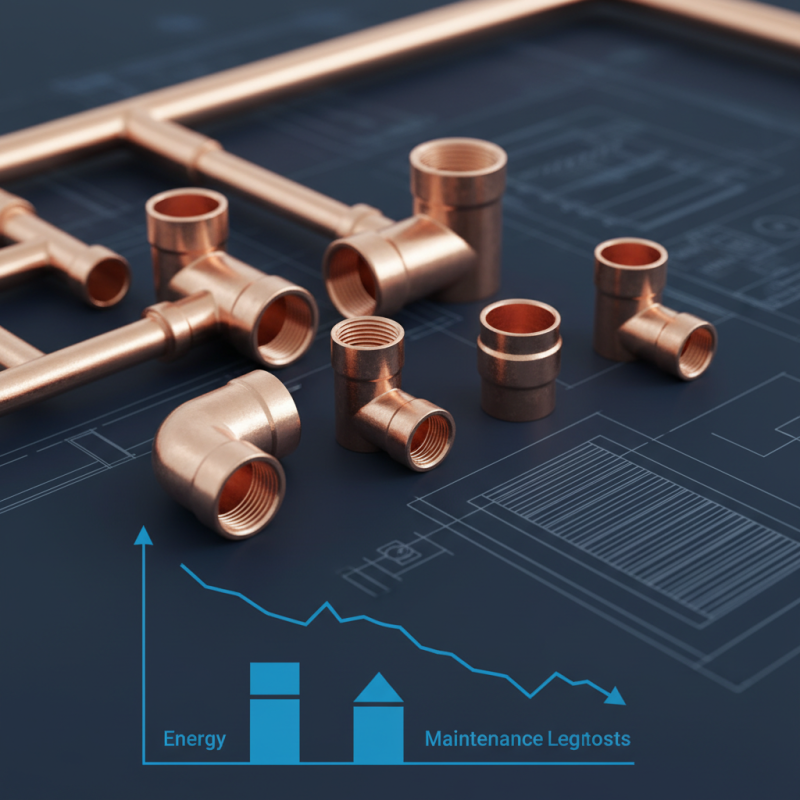
Copper fittings play a crucial role in refrigeration applications. They are essential for efficient cooling solutions. Common types include elbows, tees, couplings, and reducers. Each type serves a specific purpose in the refrigeration system.
According to a recent industry report, over 50% of refrigeration systems use copper fittings due to their durability and thermal conductivity.
Elbows help direct refrigerant flow, optimizing system performance. Tees enable branching off to different components, ensuring balanced cooling. Couplings connect two pieces of tubing securely. Reducers adjust pipe size, maintaining pressure. An estimated 40% of refrigeration failures are linked to poor-fitting connections. Thus, selecting the right copper fittings is vital for reliable performance.
Tips: Always check fitting compatibility with your refrigeration system. Regular maintenance can prevent leaks. Insulate joints to enhance efficiency. Proper installation minimizes future issues. Investing in quality can reduce long-term costs. Understanding the roles of each fitting forms a foundation for effective refrigeration. Aim for precision to avoid common pitfalls.
Benefits of Using Copper Fittings for Efficient Cooling
Copper fittings are essential for
efficient cooling solutions. Their natural conductivity makes them ideal for refrigeration systems. This metal allows for rapid heat transfer, ensuring optimal cooling performance. Additionally, copper's durability ensures a long lifespan. It resists corrosion, which is crucial for systems exposed to moisture.
Using copper fittings can enhance system reliability. These fittings can withstand
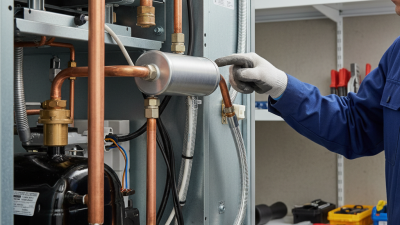
high pressure and temperature. However, the installation process requires skill and knowledge. An improper setup could lead to leaks or system failures. It's important to consider long-term maintenance, too. While copper fittings are durable, they still need periodic inspection to prevent issues.
Some may find copper fittings costly compared to alternatives. This initial investment can be a concern for budget-conscious projects. However, considering their lifespan and efficiency, they often prove worthwhile. Investing in quality materials leads to better performance. Yet, it's essential to evaluate the specific needs of each cooling system before making a decision.
Maintenance Tips for Enhancing Copper Fitting Longevity
Copper fittings are essential for efficient cooling systems. However, their longevity requires proper maintenance practices. Regular cleaning is vital to prevent corrosion. A study by the Copper Development Association suggests that over 70% of copper failures arise from corrosion. Using a pH-neutral cleaner can significantly reduce this risk.
Monitoring temperature and pressure levels is crucial too. High pressure can cause fittings to wear out quickly. A consistent pressure reading can help avoid unnecessary stress. Additionally, ensuring proper insulation around the fittings can prevent temperature fluctuations. This helps maintain efficiency.
Regular inspections are important. Look for wear and tear signs, such as discoloration. Replacing worn-out fittings can save energy costs. Experts recommend checking fittings at least once a year. This practice can extend their lifespan significantly, sometimes beyond 15 years. These measures not only enhance performance but also ensure a cost-effective cooling solution.
Top Refrigeration Copper Fittings for Efficient Cooling Solutions
| Fitting Type |
Size (Inches) |
Pressure Rating (PSI) |
Temperature Rating (°F) |
Common Applications |
| Copper Elbow |
1/2 |
400 |
200 |
HVAC systems |
| Copper Tee |
3/4 |
350 |
180 |
Refrigeration lines |
| Copper Coupling |
5/8 |
500 |
220 |
Air conditioning |
| Copper Cap |
1/4 |
600 |
250 |
Seal-off parts |
| Copper Reducer |
1/2 to 3/8 |
450 |
190 |
Compressors |
Maintenance Tips for Enhancing Copper Fitting Longevity
- Regularly inspect for corrosion or wear.
- Ensure fittings are properly sealed to prevent leaks.
- Clean fittings with appropriate non-abrasive materials.
- Avoid excessive force during installation to prevent damage.
- Use compatible materials to maintain joint integrity.