Leave Your Message

Why Use a Liquid Line Filter Drier?

Modern refrigeration systems face rising demand for dependable cooling and tighter energy performance. The International Energy Agency’s The Future of Cooling reports that global space-cooling energy demand could more than triple by 2050 without stronger efficiency measures. That pressure makes small component choices increasingly important. One overlooked component is the Liquid Line Filter Drier.

Installed in the liquid line, this device removes moisture, acid, particles, and other contaminants before they reach sensitive components. A clean system protects expansion valves, solenoids, and compressor oil from avoidable damage. ASHRAE Handbook—Refrigeration identifies proper refrigerant cleanliness and moisture control as essential practices for reliable system operation. EPA GreenChill guidance also emphasizes contamination prevention and responsible service procedures in commercial refrigeration.

Small part. Large consequence.

In field service, a correctly selected Liquid Line Filter Drier can help stabilize operation after installation, compressor replacement, or a burnout cleanup. Its capacity, connection size, refrigerant compatibility, and pressure-drop rating still require careful checking. An oversized or unsuitable model may restrict flow. A filter drier cannot repair poor evacuation, leaks, incorrect charging, or inadequate airflow. That limitation matters.

The evidence supports using one, but not treating it as a universal cure. Technicians should follow the equipment manufacturer’s instructions, measure pressure and temperature, and replace the drier when contamination or excessive pressure drop appears. This practical discipline reflects the reliability principles described in ASHRAE guidance and current HVACR service practice. The real value is simple: cleaner refrigerant, better component protection, and fewer hidden failures.
Why Use a Liquid Line Filter Drier?

What Is a Liquid Line Filter Drier?

A liquid line filter drier is a sealed HVAC or refrigeration component installed in the liquid line. It usually sits after the condenser or receiver and before the expansion device. Its body contains a filter and a moisture-absorbing desiccant core. Small, but important.

The filter catches particles such as metal dust, copper fragments, and installation debris. The desiccant absorbs water that could freeze near the expansion valve or react with refrigerant and oil. Some designs also help hold acids and wax-like contaminants after compressor damage.

From field service experience, a clean system often operates quietly and maintains steadier cooling. A restricted drier may show a noticeable temperature difference across its inlet and outlet.

It is not a repair by itself. A drier cannot correct poor evacuation, leaks, incorrect charging, or repeated contamination. Sizing still matters. An undersized unit can create unnecessary pressure drop, while an unsuitable core may not match the refrigerant or oil. Technicians should check the manufacturer’s specifications, install it in the correct flow direction, and replace it when the sealed system has been opened. I have seen rushed replacements fail because the underlying moisture source was never found. The component received blame, although the installation process caused the problem.

How Does a Liquid Line Filter Drier Work?

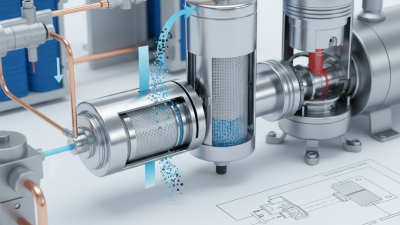
A liquid line filter drier protects the refrigeration circuit by cleaning and drying the refrigerant before it reaches the expansion device. It is installed in the liquid line, usually near the condenser outlet or receiver. Inside, a fine filter screen traps copper particles, brazing residue, and other solid debris. A desiccant core captures moisture dissolved in the refrigerant.

The working process is simple but important.

Liquid refrigerant enters the shell under pressure. It flows through the filter section first, where contaminants are held back. It then passes through the desiccant material. The desiccant attracts water molecules and helps prevent ice formation at the metering device. It also limits moisture-related chemical reactions that may create acids inside the system. The cleaned liquid continues toward the expansion valve.

In field service, a restricted drier often causes a noticeable temperature difference across its body. Frost may appear on the outlet, although frost alone does not prove a blockage. Technicians should check pressure, temperature, system charge, and airflow together. A properly selected drier should match the refrigerant, system capacity, and expected pressure drop.

Installation details matter too. Keeping tubing capped, using dry nitrogen during brazing, and replacing an opened drier promptly reduce contamination risks. It is not a cure-all. A saturated drier cannot remove unlimited moisture, and a severe compressor burnout may require a broader cleanup procedure. Selection can be less straightforward than it first appears.

What Contaminants Does It Remove?

Why Use a Liquid Line Filter Drier?

A liquid line filter drier removes more than visible dirt from a refrigeration circuit. Its desiccant captures moisture, while the filter screen retains metal particles, oxide scale, carbon residue, and other solid debris. Moisture can freeze at an expansion device and restrict refrigerant flow. It can also react with oil and refrigerant, forming acids that damage motor windings and bearings. The ASHRAE Handbook—Refrigeration identifies moisture control as a key requirement for reliable system operation. Small contamination, big consequences.

The 2023 UNEP Cooling Emissions and Policy Synthesis Report projects that global cooling demand could more than triple by 2050. As equipment numbers grow, clean installation and contamination control become increasingly important. During compressor replacement or burnout cleanup, a suitable drier can also capture acid-related compounds and fine carbon particles. However, removal capacity depends on refrigerant type, oil chemistry, temperature, and contaminant concentration. Not every drier handles every contaminant.

A filter drier does not remove air, nitrogen, or other non-condensable gases. It cannot correct poor evacuation or a leaking system. This is where field practice sometimes falls short. Technicians may replace the component without checking pressure drop, moisture indicators, or acid levels. Selection should match system capacity and refrigerant compatibility, with pressure loss kept within the equipment manufacturer’s limits. I would also avoid treating a drier as permanent protection. Replacement timing matters, especially after opening the circuit or repairing a compressor.

Why Is It Important in Refrigeration Systems?

Why Use a Liquid Line Filter Drier?

Why Is It Important in Refrigeration Systems?

A liquid line filter drier protects refrigeration systems from moisture, acid, and solid debris. These contaminants can enter during installation, servicing, or component failure. Moisture may freeze near the expansion device, restricting refrigerant flow and causing unstable cooling. It can also react with refrigerant oil and form acids, which may corrode internal parts.

Small particles create different problems. They can block strainers, damage valves, and reduce the performance of metering devices. A properly selected filter drier captures these contaminants while allowing liquid refrigerant to move with limited pressure loss. Technicians should check the arrow direction, connection size, refrigerant compatibility, and expected system capacity before installation.

Location matters.

The drier is normally installed in the liquid line, close to the condenser outlet or receiver outlet. This position helps protect sensitive components downstream. After a compressor burnout or major system opening, a standard replacement may not be enough. A cleanup procedure, repeated monitoring, and another drier change may be necessary.

A filter drier is not a cure for poor evacuation or careless charging. That point is easy to overlook. The system still needs proper brazing practices, deep vacuum measurement, leak testing, and clean handling. In field work, choosing a drier only by pipe diameter can be a costly mistake. Pressure drop, moisture load, and system type also deserve attention. The sight glass may reveal trouble, but it cannot replace professional diagnosis.

How to Select and Install the Right Filter Drier

Why Use a Liquid Line Filter Drier?

How to Select and Install the Right Filter Drier

Cooling demand is rising. The International Energy Agency reports that space-cooling energy use could more than triple by 2050. Cleaner refrigeration circuits will become increasingly important.

Select the filter drier by system capacity, refrigerant, connection size, and allowable pressure drop. Match the rated capacity to the manufacturer’s performance data, not only the pipe diameter. ASHRAE Handbook—Refrigeration identifies moisture, acids, and solid particles as major contamination risks. Choose a model with suitable moisture and acid-removal performance.

For systems with a history of compressor burnout, a higher-capacity cleanup design may be necessary. Bigger is not always better.

Install the drier in the liquid line, following the flow arrow. Keep the core sealed until installation. Use dry tubing and purge with nitrogen while brazing. This reduces oxidation inside the pipe. Place the drier where technicians can replace it safely.

After installation, pressure-test the circuit, evacuate it properly, and check for abnormal temperature drop across the shell. A noticeable drop may indicate restriction. Small details matter.

In my experience, rushed brazing causes more trouble than poor component selection. I still recheck airflow, charge, and evacuation records before blaming the drier. That extra inspection can prevent a repeat failure.