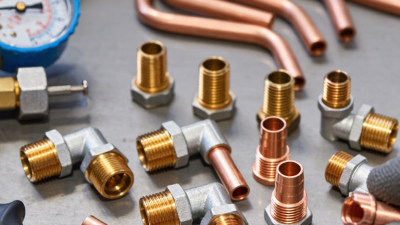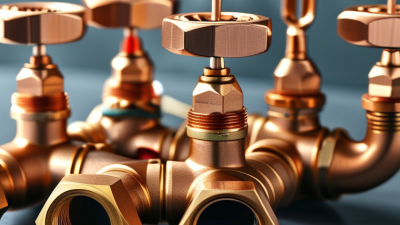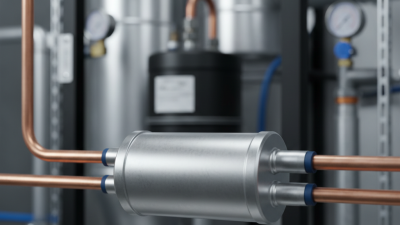
Selecting Hvac Copper Fittings is not just a matter of matching two pipe ends. Each fitting must suit the tubing size, system design, operating pressure, and installation method. A small mismatch can cause difficult assembly, restricted flow, or a leak that is hard to find after the equipment is running. Details matter.
This guide outlines seven practical checks for comparing fittings before purchase. It covers dimensions, copper compatibility, fitting style, connection method, pressure and temperature ratings, product quality, and supplier information. Clear specifications are useful; vague listings deserve a closer look. For example, confirm the actual outside diameter rather than relying only on a nominal size, and check that the fitting is approved for its intended HVAC application. Installation guidance matters, too. A fitting designed for brazing is not automatically interchangeable with one intended for press connections.
There is no single best choice for every repair or new installation. System requirements vary, and manufacturer instructions should guide the final decision. Even experienced buyers can overlook a detail when several fittings look nearly identical on a counter. That is worth remembering. Comparing product data and checking the full connection path can prevent avoidable delays and callbacks. The aim is not to choose the cheapest piece of copper, but to select a reliable component that fits the job and can be installed correctly.
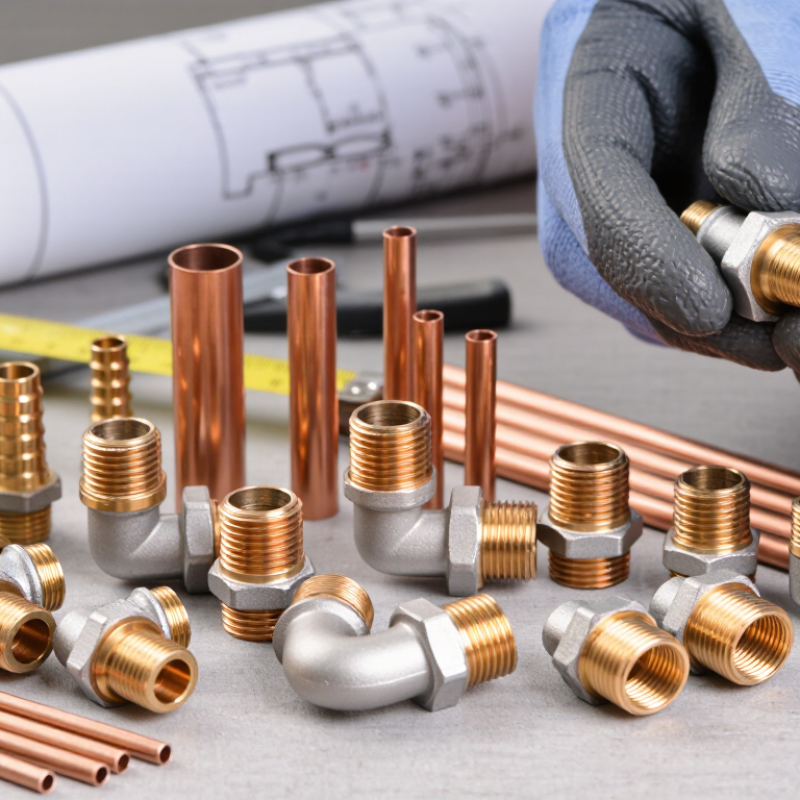
Copper fittings join the refrigerant lines that carry heat between indoor and outdoor HVAC equipment. Their job sounds simple. But each joint must remain sealed as pressure and temperature change during operation. A poor fit, unsuitable material, or rushed brazing can contribute to leaks, reduced performance, and costly repairs. Match the fitting type and dimensions to the tubing, refrigerant, and equipment requirements. ASHRAE’s refrigeration guidance also stresses sound piping design, including support and allowance for movement.
The scale of cooling makes reliable connections increasingly important. The International Energy Agency’s 2018 report, The Future of Cooling, projected that global air-conditioner stock could grow from 1.6 billion units to 5.6 billion by 2050. It also projected cooling’s share of electricity use rising from about 10% to 16%. Those figures describe a growing infrastructure burden, not a guarantee that every copper fitting will last. In practice, installation details matter: clean tube ends, correct joint preparation, and careful heat control during brazing. A drawing may look neat; a crowded ceiling space often does not. That gap deserves attention during selection and installation.
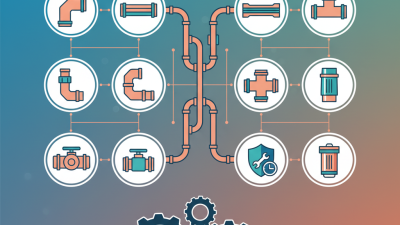
Understanding the Role of Copper Fittings in HVAC Systems
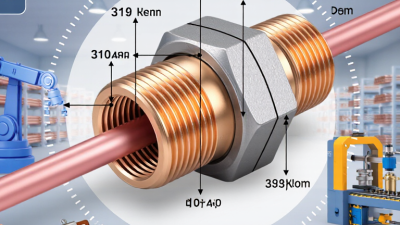
Copper fittings must match the tube’s outside diameter and connection type. This chart shows common ACR copper tube sizes and their equivalent outside diameters in millimeters. Confirm the required size and fitting specifications against the equipment documentation and applicable codes.
Choosing fittings starts with the pipe route, not the parts bin. A straight line may need only couplings and a gentle elbow; a branch to another coil calls for a properly sized tee. For suction lines, broad-radius turns can reduce unnecessary resistance and leave more room for insulation. Small detail, real impact.
Match each joint to its service needs. Brazed joints are common for permanent refrigerant piping, while flare connections may suit specified removable equipment connections. Do not mix connection styles just because they fit. The Copper Development Association’s Copper Tube Handbook provides useful dimensional data: Type L copper tube has a 0.040-inch wall at 1/2-inch size and a 0.045-inch wall at 3/4-inch size. Check the handbook’s dimensions alongside equipment specifications; fitting compatibility alone does not confirm pressure suitability.
Layout decisions are rarely perfect on paper. A tee too close to an elbow can crowd brazing access, while a reducer may leave an awkward service point. Sketch valves, coil stubs, and insulation thickness before selecting parts. Then verify diameter, pressure rating, and joining method against equipment documentation and applicable codes. I would leave extra clearance where hands and tools must work. That space is easy to forget.
Checking copper grade, dimensions, and compatibility prevents leaks and awkward field fixes. ASTM B280 covers seamless copper tube for air-conditioning and refrigeration service. Its dimensional tables distinguish outside diameter from wall thickness. For example, 3/8-inch ACR tube has a 0.375-inch outside diameter; check the fitting specification rather than relying on the label alone. The Copper Tube Handbook also describes ACR tube as cleaned, dehydrated, and capped for refrigeration work. Those details matter when moisture or debris could enter an open line.
Tip: Match the grade and service. Confirm the fitting is specified for HVAC or refrigeration use, then check its pressure rating against the system design.
Tip: Measure twice. Verify tube outside diameter, wall thickness, and fitting connection type; nominal plumbing sizes can mislead.
Tip: Check compatibility. Consult equipment documentation for the refrigerant, lubricant, and joining method. ASHRAE’s Refrigeration Handbook provides technical guidance on refrigerant systems, but the equipment maker’s compatibility data should guide the final selection.
A clean fit helps. I still recheck measurements at the workbench, because a caliper reading can be off when the tube end is oval or burred. Keep caps on until assembly, and inspect the joint surfaces before brazing. Small mismatches are easy to miss. They can mean rework later.
7 Tips for Choosing HVAC Copper Fittings
Evaluating Pressure, Temperature, and Refrigerant Requirements
Pressure and temperature ratings should guide fitting selection, not appearance alone. ASHRAE’s Handbook—Fundamentals refrigerant tables put R-410A saturation pressure near 418 psig at 120°F. That figure is a reference point, not a system design limit. Actual pressures change with operating conditions, and startup or service events can add stress. Check the equipment documentation and the fitting’s rated working pressure at the expected temperature. A rating without its temperature basis can mislead.
Tip: Match the fitting to the refrigerant, tube size, and joining method. Confirm that the copper tube meets ASTM B280 requirements for air-conditioning and refrigeration service. Then check pressure-temperature limits for the complete joint, not just the fitting body. Small detail. Check twice. Refrigerant pressure-temperature charts, such as ASHRAE’s, help estimate saturation pressure; they do not replace manufacturer specifications or a qualified design review.
Allow for the warmest credible operating condition, not just the temperature in the mechanical room. Also verify compatibility with the refrigerant and lubricant, especially when equipment has been converted or repaired. It is tempting to treat copper fittings as interchangeable. That assumption deserves a second look: tube dimensions, wall thickness, connection type, and joint workmanship all matter. Record the refrigerant, design pressure, and temperature beside the selected fitting for easier review later.
| Tip | Selection Factor | What to Check | Why It Matters |
|---|---|---|---|
| 1 | Design pressure | Confirm that the fitting’s rated working pressure meets or exceeds the system’s specified design pressure at the relevant operating temperature. Check the rating for the complete joint, not just the fitting body. | Pressure ratings can differ by fitting type, size, material, and joining method. The system design documents and applicable codes determine the required rating. |
| 2 | Operating and design temperature | Verify the permitted temperature range for the fitting, filler material, and completed joint. Include expected line temperatures during both cooling and heating operation. | Temperature can affect material strength and joint performance. A fitting suitable for one part of a system may not be suitable for a hotter or colder service condition. |
| 3 | Refrigerant compatibility | Check the equipment and fitting manufacturers’ documentation for the specific refrigerant and lubricant. Do not use copper components with ammonia service unless the system design explicitly permits them. | Refrigerants and lubricants have different material and service requirements. Ammonia is generally incompatible with copper, while other refrigerant applications still require system-specific approval. |
| 4 | Tube size and fit | Match the fitting to the tube’s nominal outside diameter and specified tube type. For refrigeration service, look for tubing made to the applicable ACR requirements, such as ASTM B280 where specified. | Correct dimensions support proper insertion, alignment, and joint formation. ACR tubing is cleaned and capped for refrigeration applications to help limit contamination and moisture. |
| 5 | Fitting and joint standard | Confirm that the fitting standard, connection type, and joining procedure match the project specification. For example, ASME B16.22 covers wrought copper and copper-alloy solder-joint pressure fittings within its scope. | Standards define relevant dimensions and requirements, but a standard reference alone does not establish suitability for every refrigerant, pressure, or operating condition. |
| 6 | Joining method and materials | Use the specified brazing or soldering process and a compatible filler material. Follow the equipment instructions and applicable codes; protect components from excessive heat during joining. | Joint performance depends on preparation, clearance, filler material, and workmanship. The completed connection must meet the system’s pressure and service requirements. |
| 7 | Installation and service conditions | Consider vibration, thermal expansion, corrosion exposure, accessibility, and the need for service. Support the tubing and avoid forcing misaligned connections into place. | Mechanical stress and poor access can contribute to leaks or make repairs difficult. Select the fitting configuration that suits the layout and installation environment. |
Before buying copper fittings, check the standards required for the specific HVAC system and local installation rules. Refrigerant tubing and fittings may follow different specifications, so confirm that dimensions, material, and pressure ratings match the equipment documentation. For example, ASTM B280 covers copper tube for air-conditioning and refrigeration service, while ASME B16.22 addresses wrought copper and copper-alloy solder-joint pressure fittings. Verify the current edition and its local acceptance; a familiar specification is not automatically the right one. Small details matter.
Then review the installation requirements, not just the package label. Confirm the fitting suits the joining method, such as brazing or flaring, and check the required tube preparation, clearances, and support spacing. Cut tubing squarely, remove burrs, and keep the joint clean. During brazing, follow the equipment instructions and applicable code; a dry nitrogen purge is commonly specified to limit internal oxidation. Never assume every system uses the same test pressure. Use the manufacturer’s procedure for pressure and leak testing, and do not substitute oxygen or compressed air. A fitting can look perfect and still be incompatible. That part is easy to miss. When documents conflict or ratings are unclear, pause and verify with a qualified HVAC professional before installation.