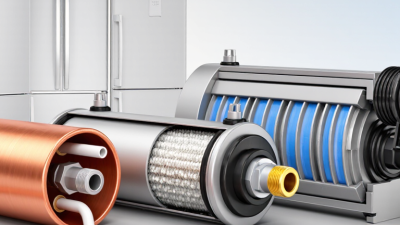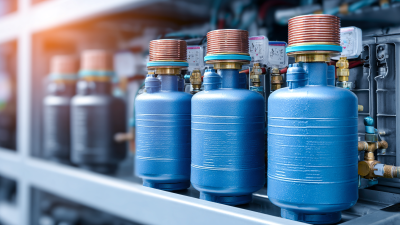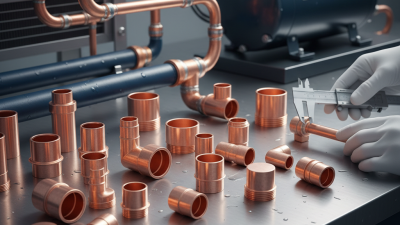
Choosing the right Filter Drier Core in 2026 requires more than matching pipe size or selecting the cheapest replacement. Modern refrigeration systems may use new refrigerants, variable-speed compressors, electronic expansion valves, and tighter moisture limits. Each change affects the core’s required capacity, pressure rating, and chemical compatibility.
A practical selection begins with the system’s refrigerant, oil type, operating temperature, and expected moisture load. Check the manufacturer’s technical data, not only the product label. A core designed for a small commercial freezer may perform poorly in a supermarket rack or heat pump. Field technicians often inspect the removed core, measure pressure drop, and review sight-glass conditions before choosing a replacement. These details reveal contamination that a basic catalog search can miss.
The best Filter Drier Core should capture moisture, acid, wax, and fine particles without restricting refrigerant flow. It must also fit the shell securely and tolerate the system’s maximum working pressure. Small mismatches can become expensive. A restricted core may raise compressor discharge temperature, while an unsuitable desiccant can react badly with oil or refrigerant. Not every published capacity reflects real operating conditions. That limitation deserves attention.
Reliable decisions combine manufacturer guidance, verified installation experience, and careful system diagnosis. Certified technicians should consider evacuation quality, leak history, refrigerant recovery practices, and future service conditions. A selection chart helps, but it cannot replace judgment. This guide examines the critical factors behind a safer, more efficient choice for 2026 systems, while acknowledging that unusual applications may require specialist confirmation.
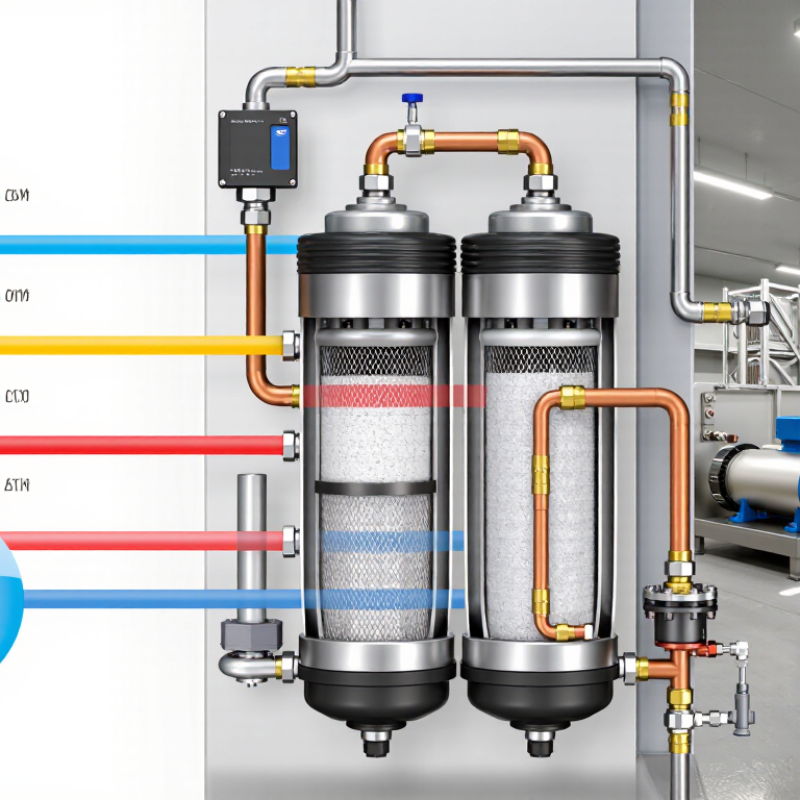
How to Choose the Right Filter Drier Core in 2026?
A filter drier core removes moisture, acids, wax, and solid particles from a refrigeration circuit. Its job sounds simple. It is not. Moisture can freeze inside an expansion device, while acid can attack motor windings and metal surfaces. In 2026, this matters more as systems use lower-global-warming refrigerants and tighter efficiency targets. The International Energy Agency reports that cooling already consumes about 10% of global electricity. It also projects cooling demand could more than triple by 2050. Cleaner, drier circuits support reliable operation and help protect that energy investment.
Choose the core by system purpose, not only by connection size. A molecular-sieve core suits moisture control. An activated-carbon blend can help after compressor burnout, but it may create higher pressure drop. Check refrigerant compatibility, oil type, capacity, operating temperature, and rated flow. The AHRI Standard 730 framework highlights the importance of measured performance, while AHRI equipment data supports comparing pressure drop and moisture capacity. However, published ratings may not match dirty field conditions. That is where judgment still matters.
Tips: Confirm the core’s capacity at your actual refrigerant and temperature. Replace it after major moisture exposure. Watch the sight glass, pressure drop, and suction temperature. Do not treat color alone as proof. A core can look acceptable while holding damaging moisture. I have seen sizing decisions focus too heavily on price; that shortcut often becomes an expensive service call. Fresh installation records also help, although many technicians still record too little.
Moisture risk begins with measurement, not guesswork.
Check the sight glass, vacuum decay, oil condition, and refrigerant sample. A clear sight glass is not proof of a dry system. Field experience shows that moisture can remain trapped in oil, insulation, or a compressor shell. ASHRAE Handbook—Refrigeration, 2022, links moisture with acid formation, corrosion, ice blockage, and insulation damage. These failures often appear after startup, not during installation.
Use AHRI Standard 700 as a reference for refrigerant purity. For many common refrigerants, its water limit is 10 ppm by mass. Compare laboratory results with that limit. Also test for acidity, non-condensables, metal particles, and burned-oil residue. A high acid reading needs more than a standard moisture core. Select a core with strong acid-removal capacity. Heavy particulate contamination may require a fine filtration core. Pressure drop matters too. A restrictive core can reduce system capacity.
Record the vacuum level before charging. A stable 500-micron reading is useful, but it is not a complete diagnosis. I have seen systems pass a vacuum test and still show rising moisture later. That result deserves review. Consider refrigerant type, oil chemistry, system volume, compressor history, and expected contamination load. A replaceable core can support staged cleanup. Do not oversize it blindly. Bigger is not always safer. Always verify compatibility with the refrigerant, oil, temperature range, and manufacturer’s service data.
How to Choose the Right Filter Drier Core in 2026?
The core material should match the refrigerant, oil, and system condition. Molecular sieve cores are suitable for new systems using POE oil. They remove moisture before it reaches the expansion device. A core with activated alumina can help control acid after compressor damage. It may be less suitable for routine installation. Mixed-media cores can address moisture, acid, and debris together. However, excessive filtration can increase pressure drop.
Small split systems often need a compact, sealed drier with low resistance. Commercial systems may require a replaceable-core housing for easier maintenance. Heat pumps need bi-flow designs, because refrigerant changes direction during operation. The core must maintain filtration in both flow directions. Check the rated capacity, connection size, and maximum working pressure. Do not select by diameter alone.
Field technicians should inspect the sight glass, measure temperature differences, and check pressure drop after installation. A warm outlet may indicate restriction, not successful drying. That rule is useful, but imperfect. Refrigerant charge, ambient temperature, and airflow can distort readings. Follow the system manufacturer’s specifications and replace a contaminated core after burnout cleanup. Keep the housing clean. Small particles can damage valves and sensors.
How to Choose the Right Filter Drier Core in 2026?
Selecting a filter drier core starts with the system, not the cabinet shelf. Check the refrigerant, oil type, operating temperature, and expected cooling capacity. A core must handle the system’s flow without creating excessive pressure drop. This detail matters during startup and heavy-load operation. Small systems may need moisture removal, while larger systems may also require acid control. Read the technical data carefully.
Core size should match the housing dimensions and connection design. Measure the cavity, sealing surfaces, and inlet arrangement before ordering. Capacity ratings can be confusing because manufacturers may use different test conditions. Compare moisture capacity, acid capacity, refrigerant compatibility, and flow performance under similar conditions. Nominal tonnage alone is not enough. It is a common mistake.
Field experience also shows why contamination history matters. A compressor burnout may require a core designed for stronger acid and debris control. A clean installation may need a different balance of filtration and moisture absorption. Replace damaged seals, confirm correct flow direction, and keep the core sealed until installation. I would not choose by size alone. It can fit and still perform poorly. After installation, check pressure drop, operating temperature, and moisture indicators when available. These readings may reveal an unsuitable selection before damage spreads.
Use this guide as a preliminary selection tool. Final selection should be verified against the core manufacturer’s published capacity tables, pressure-drop data, refrigerant approval, shell dimensions, and local safety requirements.
| Core Type | Typical Nominal Core Volume | Primary Function | Moisture Removal | Acid Cleanup | Particle Filtration | Typical Applications | Important Selection Note |
|---|---|---|---|---|---|---|---|
| Molecular sieve core | 8–48 in³ per core | High-capacity adsorption of water from the liquid refrigerant circuit | High | Low | Medium | New installations, systems using POE or PVE lubricants, and systems requiring strong moisture control | Choose the correct sieve type and capacity for the refrigerant and lubricant. A core that is too small can become saturated quickly. |
| Activated alumina core | 8–48 in³ per core | Adsorption of moisture with increased emphasis on acid reduction | Medium | High | Medium | Burnout cleanup, severe acid contamination, and systems affected by compressor motor damage | Do not use as a permanent replacement for a standard moisture-control core unless the product data specifically permits it. |
| Molecular sieve and activated alumina blend | 8–48 in³ per core | Combined moisture adsorption and acid cleanup | High | High | Medium | Retrofits, contaminated systems, and moderate cleanup after component replacement | Confirm the recommended replacement interval and pressure-drop limit, especially during the first cleanup period. |
| High-filtration or pleated core | 8–48 in³ per core | Removal of fine particulate, copper oxide, scale, and installation debris | Low | Low | High | Systems with suspected debris, compressor replacement, or repeated expansion-valve blockage | Use together with an appropriate moisture-control core when water removal is also required. |
| Charcoal-containing cleanup core | 8–48 in³ per core | Removal of selected oil decomposition products and contaminants after a severe burnout | Low | High | Medium | Post-burnout cleanup under a controlled service procedure | Use only when approved for the refrigerant, lubricant, temperature range, and shell design; replace after the cleanup period. |
| Nominal Core Arrangement | Typical System Duty | Typical Liquid-Line Connection Range | Recommended Use | Capacity and Pressure-Drop Guidance | Replacement Consideration |
|---|---|---|---|---|---|
| Single 8 in³ core | Small refrigeration, air-conditioning, and heat-pump circuits | Approximately 1/4–3/8 in copper tubing, subject to shell design | Clean systems with a moderate refrigerant charge and limited moisture load | Suitable only when the manufacturer’s rated liquid-flow capacity exceeds the design flow with acceptable pressure drop. | Replace if the moisture indicator changes color, the pressure drop rises, or the system has been opened for major service. |
| Single 16 in³ core | Medium-duty commercial refrigeration and comfort-cooling systems | Approximately 3/8–5/8 in copper tubing, subject to shell design | General-purpose moisture control in systems with a higher refrigerant charge or longer piping | Provides more adsorption reserve than an 8 in³ core, but it must still be checked against actual refrigerant mass flow. | Use a clean replacement core when the system has experienced extended exposure to air or moisture. |
| Single 24 in³ core | Large commercial refrigeration, process cooling, and heat-pump circuits | Approximately 5/8–7/8 in copper tubing, subject to shell design | Systems with greater refrigerant volume, longer pipe runs, or higher moisture risk | Verify both adsorption capacity and pressure drop at the evaporating and condensing conditions expected in operation. | Consider a cleanup core first after compressor burnout, followed by a standard moisture-control core. |
| Single 48 in³ core | Large industrial, supermarket, and process-refrigeration systems | Approximately 7/8–1 1/8 in copper tubing, subject to shell design | High refrigerant charge, long pipe networks, high moisture load, or systems requiring extended service intervals | Check the manufacturer’s flow rating, allowable pressure drop, shell working pressure, and maximum operating temperature. | Use core replacement records and moisture-indicator readings to establish the service interval rather than relying only on calendar time. |
| Multiple cores in one shell | Very large or parallel-circuit systems | Based on the shell and header arrangement | High flow rates where one core would create excessive pressure drop | Increase the number of cores when the calculated flow exceeds the allowable rating of a single core; do not assume that doubling core volume automatically doubles flow capacity. | Replace all cores together unless the manufacturer’s service instructions specify otherwise. |
| Refrigerant or Refrigerant Family | Common Lubricant Family | Core Compatibility Requirement | Typical Moisture-Control Recommendation | Service Caution |
|---|---|---|---|---|
| R-134a | POE or PAG, depending on equipment design | Core must be approved for R-134a and the specified lubricant | Molecular sieve or approved blended core for normal service | Do not mix lubricant types without confirming oil compatibility and compressor requirements. |
| R-404A / R-507A | Primarily POE | Use a core rated for the refrigerant blend, POE lubricant, and expected low-temperature conditions | High-capacity molecular sieve core is commonly selected for low-temperature systems | Check pressure drop at low evaporating temperatures and during pull-down operation. |
| R-410A | POE | Use a core and shell approved for the system’s higher working-pressure class | Molecular sieve core intended for high-pressure air-conditioning or heat-pump service | Verify the complete assembly pressure rating; the core alone does not determine system safety. |
| R-32 | POE | Use components approved for R-32, including pressure rating and flammability-related service requirements | Approved molecular sieve core for R-32 systems | Follow the equipment manufacturer’s A2L installation, recovery, ventilation, and ignition-control procedures. |
| R-454B and other A2L blends | POE | Core, shell, seals, and service procedure must be approved for the specific A2L refrigerant | Approved molecular sieve or blended core selected from the equipment data | Do not treat compatibility with R-410A as automatic; confirm approval for the exact refrigerant and application. |
| R-290 and other A3 refrigerants | Usually POE or another lubricant specified by the equipment manufacturer | Use only components explicitly approved for the refrigerant, pressure, charge, and flammability classification | Approved core selected according to the equipment manufacturer’s instructions | Follow A3 refrigerant charge limits, electrical requirements, ventilation rules, and certified service procedures. |
| R-717 ammonia | Mineral, PAO, or another ammonia-compatible lubricant specified by the system designer | Use an ammonia-compatible core and shell; many conventional fluorocarbon-system cores are unsuitable | Only use a core specifically approved for ammonia service | Confirm compatibility of desiccant, binder, seals, coatings, and oil before installation. |
| CO₂ / R-744 | POE, PAG, or another lubricant specified by the system designer | Use a core and shell designed for the applicable transcritical or subcritical pressure class | Approved high-pressure molecular sieve core | Pressure rating, temperature rating, and relief protection are critical; standard low-pressure driers are not suitable. |
| Step | Selection Question | Data to Confirm | Recommended Decision |
|---|---|---|---|
| 1 | What refrigerant is used? | Exact refrigerant designation, including blend or A2L/A3 classification | Reject any core or shell without explicit refrigerant approval. |
| 2 | What lubricant is used? | POE, PAG, mineral oil, PAO, or another specified lubricant | Confirm desiccant, binder, seal, and oil compatibility. |
| 3 | What is the required cleanup function? | Normal moisture control, acid cleanup, particulate removal, or post-burnout cleanup | Select molecular sieve, activated alumina, blended, filtration, or charcoal-containing construction as appropriate. |
| 4 | What is the design refrigerant mass flow? | Cooling capacity, operating conditions, refrigerant type, and manufacturer flow tables | Select a core or multiple-core arrangement that remains within the rated pressure-drop limit. |
| 5 | What is the moisture and contamination risk? | System opening time, evacuation quality, pipe length, compressor failure, and acid test results | Increase adsorption capacity or use a temporary cleanup core when contamination is elevated. |
| 6 | Does the core physically fit? | Shell model, core diameter, length, retaining hardware, gasket material, and flow direction | Never select by volume alone; verify mechanical dimensions and installation orientation. |
| 7 | How will performance be checked? | Moisture indicator, inlet/outlet temperature, pressure drop, acid test, and sight-glass condition | Replace or change the core when measured conditions indicate saturation, contamination, or excessive restriction. |
How to Choose the Right Filter Drier Core in 2026?
Install the core in the liquid line, following the marked refrigerant-flow direction. Keep the housing clean and sealed until connection. During brazing, purge with dry nitrogen. This reduces oxide formation inside the tube. Pull a deep vacuum with a calibrated micron gauge, not only a manifold gauge. ASHRAE Handbook—Refrigeration (2022) stresses moisture control, pressure stability, and proper evacuation for reliable refrigeration operation. Small details matter.
After startup, record liquid-line temperature, inlet and outlet pressure, and the moisture indicator color. Compare readings with the commissioning record. A rising pressure drop can signal dirt, wax, or a saturated core. Do not replace the core by habit alone. Diagnose the cause. The International Energy Agency reports that cooling uses about 10% of global electricity, according to The Future of Cooling. Poor filtration can increase compressor workload and operating costs. The number is easy to overlook.
Replace the core after a confirmed burnout, acid event, severe contamination, or excessive pressure drop. Use clean tools and cap the open housing immediately. Check for leaks after reassembly, then evacuate again before charging. A core that looks dry may still be chemically exhausted. That is where inspection can mislead. In practice, technicians sometimes trust a green indicator too quickly. ASHRAE guidance supports checking operating conditions, not relying on one signal. Keep a service log with dates, pressure readings, indicator status, and refrigerant conditions. Records expose patterns that memory misses.