Why Choose a Filter Drier Core for HVAC Systems?
A Filter Drier Core is a small component with a demanding role in HVAC systems. It helps capture moisture, acids, particles, and other contaminants circulating through the refrigerant circuit. These impurities can damage compressors, restrict expansion devices, and reduce system efficiency. The core works quietly, but its condition can influence the entire system.
Experienced technicians usually treat core selection as a practical engineering decision. They consider refrigerant type, system capacity, pressure drop, contamination level, and the manufacturer’s service requirements. A heavily contaminated system may need a core designed for acid removal. A clean system may require a different balance between filtration and flow. One choice does not fit every installation.
Details matter here. A technician might find a blocked core after measuring an unusual temperature difference across the shell. Another system may show moisture through a sight glass, even after recent servicing. These observations should be recorded, not guessed. Manufacturer data, pressure readings, evacuation results, and maintenance history provide stronger evidence.
No component is magic. A Filter Drier Core cannot repair poor brazing, leaks, or an incorrectly charged system. That assumption needs checking. Still, the right core can protect sensitive components and support dependable operation when installed correctly. This article examines its main benefits, selection factors, replacement timing, and practical limitations. The goal is not simply to recommend a product, but to explain when the decision is technically justified.
What Is a Filter Drier Core in an HVAC System?
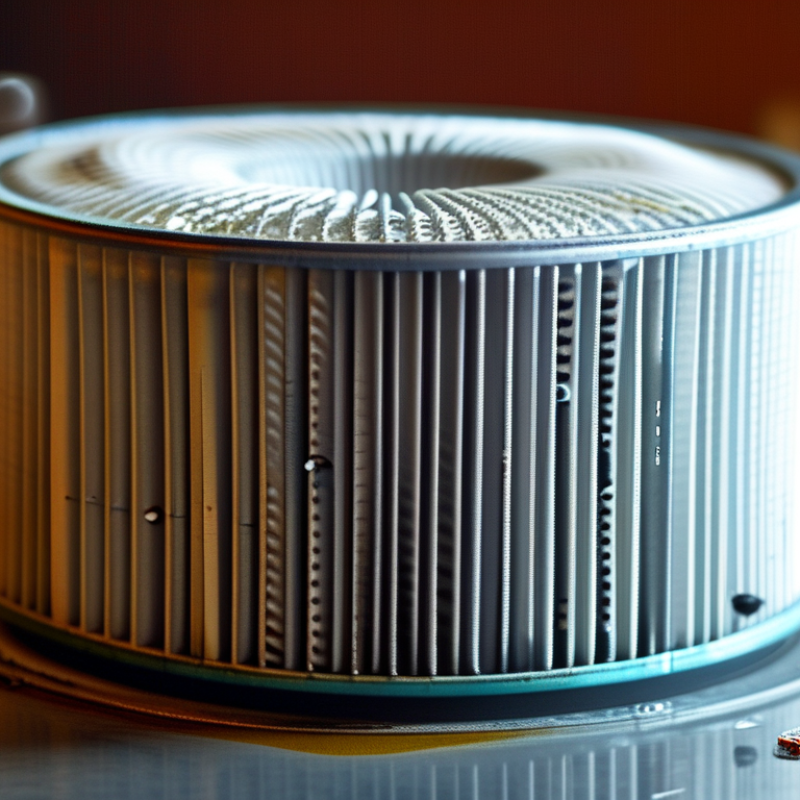
A filter drier core is the working element inside a replaceable HVAC filter drier shell. It cleans the refrigerant circuit while absorbing moisture and trapping harmful particles. Some cores also help capture acids formed after compressor overheating or electrical damage. This protection matters because water can freeze at expansion devices, while debris can restrict refrigerant flow. Small details matter.
In field service, technicians inspect the core when replacing contaminated refrigerant components or commissioning a repaired system. The correct core depends on refrigerant type, system capacity, oil compatibility, and contamination level. A loose or incorrectly seated core can allow bypass, reducing protection. It is not a magic cure. Severe contamination may require several controlled replacements and proper evacuation. Manufacturer data and pressure-drop limits should guide the selection, rather than guesswork.
Tips: Keep replacement cores sealed until installation. Avoid touching their desiccant surfaces with wet hands. Check flow direction, gasket condition, and shell cleanliness before tightening connections. After installation, measure system pressures and confirm stable operation. A clean sight glass alone does not prove that moisture is absent. I have seen systems appear normal while hidden moisture continued damaging internal parts. When conditions are uncertain, record temperature, pressure, and evacuation results for later review.
How Does a Filter Drier Core Protect Refrigeration Circuits?
In refrigeration service, a filter drier core is more than a small replacement part. It acts as a chemical and physical barrier inside the liquid line. During commissioning, I have found moisture levels rise after poor evacuation or prolonged system exposure. The core captures water, acid-forming compounds, and fine particles before they reach the expansion device or compressor. That protection matters because ice can restrict flow, while acids may damage motor windings and bearings. Small contamination can create expensive trouble.
Its performance depends on correct selection and installation. A technician should match the core with the refrigerant, oil, system capacity, and contamination level. The core must fit the housing correctly, with clean tubing and verified flow direction. I also check pressure drop during operation. Excessive pressure drop may indicate saturation, debris loading, or an undersized assembly. It is not a permanent cure. A filter drier core cannot repair a leak or replace proper evacuation.
In practice, replacement timing requires judgment. After compressor burnout, the core may need early inspection and repeated changes, based on acid testing and pressure readings. In a clean, stable circuit, service intervals can be longer. That sounds simple, but field conditions vary. I once treated a low-pressure alarm as a control fault; contamination was the real cause. Better records, measured tests, and honest review prevent repeated mistakes. The core protects the circuit quietly, when the rest of the work is done carefully.
How to Select the Right Filter Drier Core
Why Choose a Filter Drier Core for HVAC Systems?
Selecting the right filter drier core starts with the system’s actual operating conditions. Match the core with the refrigerant, oil type, pressure range, and expected temperature. A core designed for one refrigerant family may not suit another. Check the equipment documentation and the core manufacturer’s technical data before installation.
Capacity matters, but pressure drop matters too. For a commercial refrigeration system, compare the core’s moisture removal rating, acid capacity, and dirt-holding ability. Consider the liquid-line size and normal mass flow. An undersized core can restrict flow and raise operating costs. An oversized core may cost more without improving protection. Keep it practical.
The contamination type also guides selection. Use a moisture-focused core after a major moisture exposure. Choose stronger acid protection after compressor burnout, following proper cleanup procedures. Some cores remove particles well but offer limited chemical protection. I have seen technicians choose by connection size alone. That shortcut can fail. Confirm flow direction, housing compatibility, temperature limits, and pressure ratings. Replace the core when pressure drop rises or contamination is confirmed, not only when the sight glass looks clear. A clear sight glass does not prove the system is clean. Record the installation date, measured pressure drop, and refrigerant conditions for the next service visit.
Why Choose a Filter Drier Core for HVAC Systems?
How to Select the Right Filter Drier Core
Select the core according to system capacity, refrigerant compatibility, moisture-control requirements, contaminant level, and acceptable pressure drop. A properly sized core improves moisture removal and protects the expansion device and compressor without unnecessarily restricting refrigerant flow.