Leave Your Message

How to Choose the Right Refrigeration Tee?

Choosing the right Refrigeration Tee starts with the system, not the shelf. A compact copper fitting may look suitable, yet its branch size or pressure rating can make it a poor match. Check the refrigerant, tube material, connection type, operating pressure, and temperature range against the equipment documentation. Small details matter. A half-inch run with a quarter-inch branch, for example, affects how the line is assembled and supported.

Look closely at dimensions and construction. The tee should fit the tubing’s actual outside diameter, not an assumed nominal size. Consider whether the branch needs a straight takeoff or a reducing connection, and leave enough clearance for brazing tools and insulation. Verify that the fitting is intended for refrigeration service; plumbing tees are not automatically interchangeable. Manufacturer data is more dependable than appearance alone. It should list compatible materials and working limits. Good choices reduce leak risks and simplify maintenance, but no fitting can correct poor installation. That part is easy to overlook.

Before ordering, compare the product specifications with the system design and confirm uncertain details with the equipment or fitting manufacturer. Installation should follow applicable technical guidance and be completed by a qualified refrigeration professional. I would not choose by price or visual similarity alone. Still, specifications can be confusing, and even experienced buyers sometimes miss a detail. Pause and check again. This guide covers the key factors. It helps you select a Refrigeration Tee for the line, service conditions, and installation plan—not just the catalog photo.
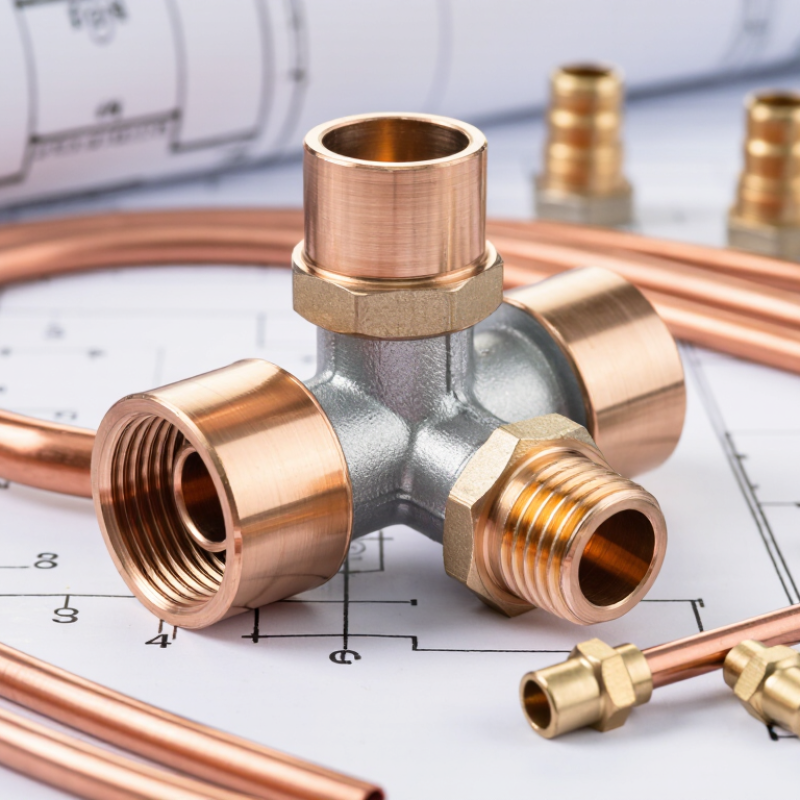
How to Choose the Right Refrigeration Tee?

Identify Refrigerant and Safety Class Using ASHRAE Standard 34

How to Choose the Right Refrigeration Tee?

Identify Refrigerant and Safety Class Using ASHRAE Standard 34

Before selecting a refrigeration tee, confirm the refrigerant shown on the equipment nameplate. ASHRAE Standard 34 assigns refrigerant designations and safety groups, such as A1 and A2L. The first letter indicates toxicity class; the number and “L” describe flammability characteristics. These labels matter during installation and service. A tee does not change the refrigerant’s classification, and the standard does not certify fittings.

Safety class is only one check. Verify the tee’s material compatibility, pressure rating, connection type, and dimensions against the system specifications. The IPCC Sixth Assessment Report gives R-32 a 100-year global warming potential of 771. That figure describes climate impact, not flammability or fitting suitability. Different questions need different data. A label can still be wrong, so confirm it against current equipment and refrigerant documentation.

Tips: Read the nameplate before ordering. Match the tee’s rating to the system’s maximum operating pressure, not just its typical pressure. For A2L refrigerants, follow the equipment maker’s handling instructions and applicable safety requirements. If the refrigerant identity is uncertain, pause and verify it with a qualified refrigeration technician. A small fitting deserves a careful check.
Set Design Pressure and Temperature Under ASHRAE Standard 15

How to Choose the Right Refrigeration Tee?

When selecting a refrigeration tee, establish the system’s design pressure and temperature before comparing fitting dimensions. ASHRAE Standard 15 provides important safety requirements, but it is not a standalone piping design table. Confirm the applicable edition and local requirements, then coordinate the selection with the relevant piping code and qualified engineering review.

Use the highest credible pressure and temperature conditions, not just normal readings on a gauge. Consider compressor shutdown, elevated outdoor temperatures, defrost cycles, and other operating states relevant to the system. Temperature matters because it can affect a fitting’s allowable pressure, material performance, and sealing. Do not guess. Check that the tee, connecting pipe, joints, and other components are suitable for the same design conditions. Also verify that pressure-relief protection and component pressure limits are consistent with the system design.

A tee that fits the pipe may still be unsuitable for its service. Check the refrigerant, connection method, branch dimensions, and any installation loads. For example, a crowded machine-room connection may place extra stress on a branch that looks adequate on paper. Document your assumptions, especially unusual operating conditions. One assumption may be wrong; that is a reason to review the design, not ignore the calculation.

Match Tee Material and Dimensions to ASTM B280 or ASME B31.5

Choosing a refrigeration tee starts with the connected tube. ASTM B280 covers seamless copper tube for refrigeration service and lists outside diameters from 1/8 to 4 1/8 inches (ASTM B280). Measure the tube’s actual outside diameter and check its wall thickness against the tee’s connection data. A nominal size on a label can be easy to misread. Small differences matter. ASTM B280 applies to the tube, not automatically to every tee, so verify the fitting’s material, dimensions, and joining requirements separately.

Then check the system design against ASME B31.5, which addresses refrigeration piping materials, design, fabrication, assembly, inspection, and testing. Match the tee’s pressure and temperature limits to the system’s operating conditions, refrigerant, and joining method. Copper may suit the tube, but that alone does not confirm the tee is appropriate. It is tempting to trust a catalog size and move on; I would pause and compare the technical data with the installed tube. A careful fit check can prevent a poorly matched joint and avoid rework.

Choose by tube outside diameter—not nominal pipe size. The chart shows common ACR copper tube sizes and their outside diameters in millimeters. Match the tee’s connections to the tubing size, then verify material, wall thickness, pressure and temperature suitability, and applicable code requirements. ASTM B280 covers ACR copper tube; ASME B31.5 addresses refrigeration piping design and construction. Tee fitting dimensions depend on the applicable fitting standard.

Size the Branch for Refrigerant Mass Flow and Allowable Pressure Drop

How to Choose the Right Refrigeration Tee?
Size the Branch for Refrigerant Mass Flow and Allowable Pressure Drop

A refrigeration tee should be sized around the branch’s actual mass flow, not just its pipe connection. Start with the design load, refrigerant, operating temperatures, and expected flow conditions. A small branch may create excessive pressure loss. An oversized one can complicate oil return and flow distribution.

Check pressure drop across the branch and tee together. The fitting’s geometry matters: a sharp turn or abrupt transition can add resistance even when pipe diameter seems adequate. Compare calculated losses with the system’s allowable pressure drop, especially on suction lines, where lost pressure can reduce capacity. Keep the run short where practical. Details matter.

For example, a branch serving a lightly loaded evaporator may need a different size than one feeding a larger coil, even if both use similar connections. Confirm the selected size against refrigerant-specific design data and the equipment manufacturer’s requirements. Field conditions rarely match the drawing perfectly. That is worth remembering. If actual loads vary widely, review the tee under both low- and peak-flow conditions; one operating point may hide poor distribution or unstable oil movement. A qualified refrigeration designer can verify the assumptions before installation.

Check Tee Connections, Pressure Rating, and Brazing Compatibility

A refrigeration tee must match the pipe size, branch direction, and refrigerant flow—not just the nominal diameter. Check whether the branch joins at 90 degrees and whether the fitting suits the tubing material and wall thickness. A mismatched branch can complicate oil return, especially in a vertical riser. I still check the piping drawing twice; nominal size alone can mislead.

Pressure rating deserves equal care. The 2022 ASHRAE Handbook—Refrigeration refrigerant tables place R-410A saturation pressure near 318 psig at 100°F. That is a reference condition, not the system’s required design rating. Select a tee rated for the specified design pressure and temperature, with applicable piping requirements guided by ASME B31.5. For brazed copper systems, confirm the tee and tube are compatible with the chosen filler metal. ASTM B280 covers copper tube used for air-conditioning and refrigeration service. During installation, clean joint surfaces, maintain a nitrogen purge, and heat the joint evenly. Small details matter. A dull, overheated joint can be easy to overlook before testing.