Leave Your Message

Top AC Filter Drier Suppliers for Global Buyers?

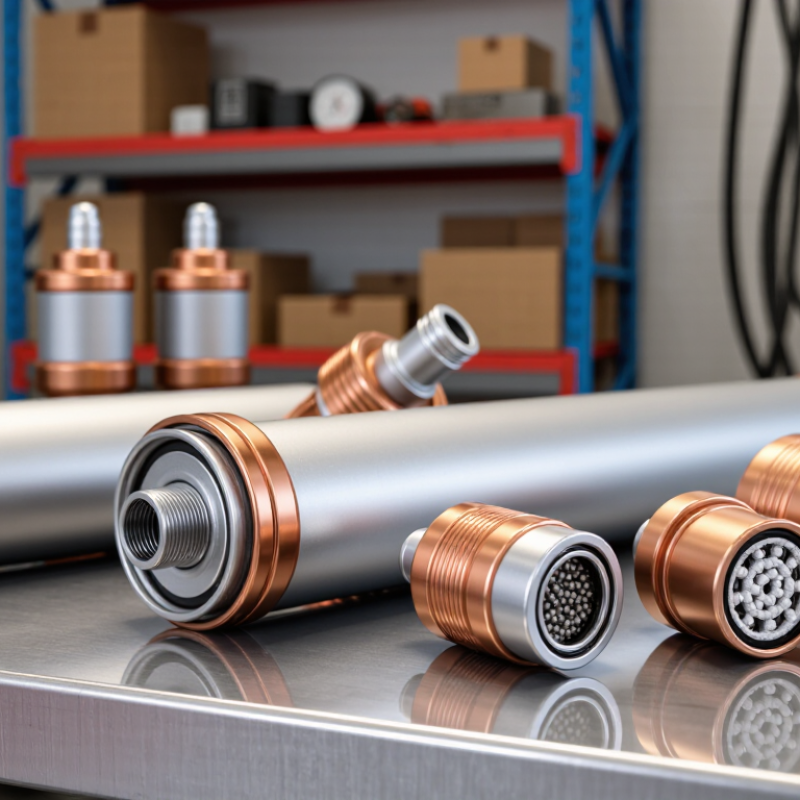
As global cooling demand grows, buyers need more than a long supplier list. The International Energy Agency’s The Future of Cooling reports that cooling energy demand could more than triple by 2050 under current policy conditions. UNEP’s Cooling Emissions and Policy Synthesis Report 2023 also links efficient equipment with lower energy use and reduced refrigerant-related emissions. These findings make the Ac Filter Drier a small component with a significant operational role.

A reliable filter drier removes moisture, acid, and solid contaminants from refrigeration circuits. It also helps protect compressors, expansion valves, and heat exchangers. In real purchasing work, specifications matter more than polished catalogs. Buyers should verify refrigerant compatibility, pressure ratings, connection size, desiccant capacity, temperature range, and documented quality controls. Supplier experience with export packaging and technical support also deserves close attention.

Details reveal reliability.

This guide examines leading Ac Filter Drier suppliers for global buyers. It considers manufacturing capability, certifications, product consistency, customization, delivery performance, and after-sales response. Public company information, technical documentation, and recognized industry reports support the comparison. However, no supplier ranking is perfect. Regional service quality can change, and advertised certifications may require independent verification. Buyers should request recent test reports, traceability records, and sample units before approving large orders. That step may feel slow, but one contaminated refrigeration circuit can create costly downtime. The strongest supplier is not always the largest. It is the partner that consistently matches verified performance with practical support.
Top AC Filter Drier Suppliers for Global Buyers?

What Is an AC Filter Drier and Why Is It Important?

What Is an AC Filter Drier and Why Is It Important?

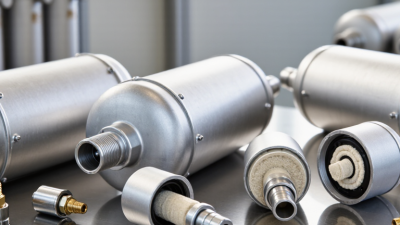
An AC filter drier is installed in the liquid line of an air-conditioning or refrigeration system. Its core job is simple: remove moisture, acids, and solid particles from the refrigerant circuit. Moisture can freeze near the expansion device, while acids may damage motor windings and internal metal surfaces. Small debris can also restrict refrigerant flow. The component quietly protects expensive parts.

A reliable filter drier contains a carefully selected desiccant blend and a filter element. Selection depends on refrigerant type, system capacity, pipe size, operating pressure, and installation position. Global buyers should request technical datasheets, pressure ratings, flow capacity, compatibility information, and batch traceability from suppliers. Packaging matters too. Poor sealing during storage can allow the desiccant to absorb moisture before installation.

Field technicians often replace a drier after compressor burnout or when a system has been opened for repair. That practice is sensible, but not every failure has the same cause. A blocked drier may indicate contamination elsewhere. It deserves investigation. Suppliers should provide clear installation guidance, stable quality control, and responsive technical support. Delivery reliability also affects maintenance planning, especially when buyers serve several climates and markets. A lower purchase price can look attractive, yet inconsistent dimensions or weak packaging may create greater costs later. Mistakes happen. Good suppliers make them easier to detect and correct.
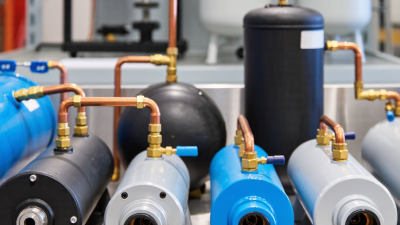
What Is an AC Filter Drier and Why Is It Important?

An AC filter drier is installed in a refrigeration circuit to remove moisture, acids, dirt, and other contaminants. It helps protect the compressor, expansion device, and refrigerant system from corrosion, ice blockage, and premature failure. The refrigerant context below is useful when global buyers compare filter-drier compatibility and environmental requirements.

The chart shows the approximate 100-year global warming potential (GWP) of commonly used refrigerants. Lower-GWP refrigerants generally require components selected for their specific pressure, temperature, oil, and material compatibility.

Source: U.S. Environmental Protection Agency refrigerant GWP values and IPCC assessment data.

How Does an AC Filter Drier Work in an HVAC System?

An AC filter drier protects the refrigeration circuit from moisture, acids, and solid debris. It normally sits in the liquid line, before the expansion device. Inside, a desiccant captures water, while a fine filter traps copper flakes and installation dust. The result is cleaner refrigerant flow and better protection for the compressor.

Moisture can freeze at the expansion valve and restrict refrigerant movement. It can also react with oil and refrigerant, creating acids that damage motor windings. The IEA’s Future of Cooling report projects that global space-cooling energy demand could more than triple by 2050. That makes dependable contamination control increasingly important. Small component. Large consequence.

Technicians should select a drier according to refrigerant type, system capacity, pressure rating, and moisture-control requirements. A pressure drop test can reveal blockage, especially when the outlet feels unusually cold. In field service, replacing a burned-out compressor without changing the drier is a costly mistake. Yet diagnosis is not always clean; a temperature difference may also indicate undercharging or restricted airflow. The U.S. Department of Energy reports that heating and cooling represent a major share of household energy use, so poor system performance deserves careful investigation. Proper evacuation, clean brazing practices, and timely replacement remain essential.

What Types of AC Filter Driers Are Available Worldwide?

Global buyers can choose from several AC filter drier designs. Liquid-line driers are common in comfort-cooling systems. They trap moisture, acid, debris, and wax before these contaminants reach the expansion device. Suction-line driers are larger and often used after compressor burnout. They protect replacement compressors from acidic residues. Bi-flow driers support heat-pump systems, where refrigerant direction changes during heating and cooling. Replaceable-core models suit larger systems because technicians can inspect and change the core without replacing the shell. Hermetic copper driers are compact, economical, and practical for smaller equipment.

The IEA’s The Future of Cooling report states that cooling demand has tripled since 1990 and could triple again by 2050. That growth increases the need for reliable moisture control, especially in hot, humid markets. AHRI guidance and common HVAC commissioning practice emphasize correct flow direction, pressure-drop control, and compatibility with the refrigerant and lubricant. Molecular-sieve cores generally provide strong water adsorption, while blended cores can improve acid and contaminant removal. Selection is not only about pipe size. A field technician should check system capacity, refrigerant type, expected bidirectional flow, and the manufacturer’s permitted pressure rating. Small details matter. A neat product table can still hide weak application data. Supplier documentation should show test conditions, filtration performance, installation orientation, and replacement-core availability. Some international listings remain incomplete, so buyers should verify certificates and test reports before purchase.

Top AC Filter Drier Suppliers for Global Buyers? - What Types of AC Filter Driers Are Available Worldwide?

AC Filter Drier Type Construction Typical Installation Common Refrigerant Applications Main Advantages Important Selection Considerations
Liquid-Line Filter Drier Sealed shell containing a desiccant core and particulate filter Installed in the liquid line between the condenser or receiver and the expansion device Common HFC, HFO, HCFC replacement, and selected low-GWP refrigerant systems Removes moisture, acid-forming contaminants, and solid particles before they reach the expansion device Select by refrigerant approval, system capacity, connection size, pressure rating, and acceptable pressure drop
Suction-Line Filter Drier High-flow filter with a core designed for return-gas conditions Installed temporarily or permanently in the suction line upstream of the compressor Systems affected by compressor burnout, major contamination, or extensive repair work Captures acid, carbon, sludge, and debris that may be present after a compressor failure Use only a model approved for suction-line service; monitor pressure drop and remove temporary units after cleanup when required
Bi-Flow Filter Drier Balanced internal design that permits refrigerant flow in both directions Installed in heat-pump or reversible refrigeration circuits Reversible systems using approved HFC, HFO, or other compatible refrigerants Provides filtration and moisture control during both heating and cooling cycles Verify bidirectional capacity, pressure drop in both directions, check-valve arrangement, and refrigerant compatibility
Replaceable-Core Filter Drier Reusable shell with replaceable solid-core elements Installed in larger commercial, industrial, and supermarket refrigeration systems Large systems using refrigerants approved for the housing and selected core material Allows core replacement, contaminant-specific treatment, and lower long-term service waste Check shell working pressure, core compatibility, service clearance, isolation valves, and spare-core availability
Hermetic Sealed Filter Drier Factory-sealed steel or copper-plated shell with a non-serviceable core Installed in packaged air conditioners, heat pumps, display cases, and small refrigeration units Refrigerants and lubricants specifically listed by the component manufacturer Compact, leak-resistant, cost-effective, and suitable for high-volume equipment production Confirm inlet and outlet size, flow direction, maximum working pressure, and brazing temperature limits
Molecular-Sieve Filter Drier Desiccant formulation based primarily on molecular-sieve material Usually installed in the liquid line of clean, sealed refrigeration circuits Many HFC, HFO, and hydrocarbon refrigerant systems when specifically approved Strong water adsorption and good suitability for systems requiring moisture control Check desiccant compatibility with the refrigerant and lubricant; avoid selecting solely by physical size
Activated-Alumina or Mixed-Desiccant Drier Desiccant blend selected for moisture, acid, and contaminant control Liquid-line or cleanup applications where contamination control is a priority Refrigerants and lubricants approved for the particular desiccant blend Can provide broader contaminant control than a moisture-only formulation Review acid-removal performance, oil compatibility, pressure drop, and manufacturer application limits
Flare-Connection Filter Drier Sealed filter drier with mechanically tightened flare connections Common in field-service work and equipment where brazing is restricted Approved refrigerants used in small and medium split or packaged systems Fast installation without an open flame and convenient replacement during service Use the correct flare size and torque; inspect for vibration, leakage, and local code compliance
Brazed or Sweat-Connection Filter Drier Sealed body with copper or steel tube connections for brazing Factory assembly and permanent field installation in copper-tube refrigeration circuits Refrigerants approved for the drier body, desiccant, and connection materials Compact permanent joint with low leakage risk when correctly installed Keep the component cool during brazing, use dry nitrogen where required, and follow the specified flow direction
Global buyer selection checklist: Confirm refrigerant and lubricant compatibility, maximum working pressure, rated capacity, connection type, flow direction, allowable pressure drop, moisture and acid-removal requirements, applicable regional certifications, operating temperature range, and installation instructions before purchasing.

How to Compare Leading AC Filter Drier Suppliers

How to Compare Leading AC Filter Drier Suppliers

Global cooling demand makes supplier evaluation more important than unit price. The International Energy Agency reported about 2.2 billion air-conditioning units worldwide in 2018. It expects cooling demand to rise sharply by 2050. Buyers therefore need suppliers that can support stable quality, not only fast shipment.

Compare each supplier’s moisture capacity, pressure drop, filtration rating, and refrigerant compatibility. Ask for test reports based on recognized industry standards, such as AHRI performance methods and ISO quality controls. Check whether the housing supports the required working pressure and temperature range. For a rooftop unit, confirm connection size, flow direction, and installation clearance before ordering. Small mismatches create expensive delays.

Documentation matters. Request batch numbers, material certificates, leak-test records, and shelf-life guidance. ASHRAE technical guidance highlights moisture and acid control as important parts of refrigeration system protection. Suppliers should explain desiccant selection for common refrigerants and lubricants, including POE oil.

The cheapest option can be misleading. A lower purchase price may hide higher pressure loss or inconsistent moisture capacity. That assumption needs testing. Compare three samples under similar conditions, then review field failure data and replacement rates. Supplier communication also deserves a score, because unclear technical answers often become installation problems.

How Global Buyers Can Verify and Select Reliable Suppliers

Top AC Filter Drier Suppliers for Global Buyers

How Global Buyers Can Verify and Select Reliable Suppliers

A reliable supplier should prove performance, not just display attractive product pages. Request technical datasheets, material specifications, and recent test reports for every filter drier series. Check rated pressure, temperature range, connection size, desiccant type, and moisture capacity. Small details matter.

Ask whether production follows documented quality procedures. Confirm lot numbers, inspection records, and calibration dates for pressure-testing equipment. A serious supplier can explain how leakage, contamination, and incorrect assembly are controlled. Request a sample before placing a large order. Inspect its brazed joints, packaging, labeling, and internal cleanliness.

Supplier verification should include a video audit or an independent factory inspection. Speak with export customers in markets similar to yours. Confirm lead times, warranty handling, replacement procedures, and export documents in writing. Certificates can help, but certificates alone prove little. Verify the issuing organization and check whether the certificate covers the actual factory.

Compare responses carefully. Vague answers often signal weak process control. A low price may hide thinner materials or inconsistent desiccant filling. No checklist is perfect. Even experienced buyers can overlook packaging damage during busy seasons. Record every requirement in the purchase contract, including inspection standards and acceptable defect limits. Test incoming batches before installation, especially when systems serve hospitals, food storage, or other sensitive facilities. Reliability is built through evidence, repeated checks, and clear communication.