Leave Your Message
Choosing an Aluminum Filter Drier is a technical decision, not a simple purchasing exercise. This component protects refrigeration circuits from moisture, acid, particles, and installation residue. A suitable model can help preserve compressor reliability and stable system performance.
Dr. Rajan Rajendran, a recognized refrigeration engineering specialist, has described the filter-drier as “the insurance policy of a refrigeration system.” This practical comparison explains its value. The device may look small, yet its internal desiccant, filtration capacity, shell strength, and flow performance matter greatly. Aluminum construction can also offer useful weight savings and corrosion resistance in suitable applications.
However, product claims require careful checking. Some suppliers emphasize capacity without clearly explaining pressure-drop data. Others present impressive specifications but provide limited testing information. That gap deserves attention.
Real conditions are rarely perfect.
This guide reviews leading Aluminum Filter Drier manufacturers and suppliers through practical criteria. These include material quality, refrigerant compatibility, connection design, certified performance, production consistency, and technical support. It also considers how suppliers respond to different system sizes and operating temperatures.
Field experience still matters. A drier selected for a compact heat pump may not suit a commercial refrigeration rack. Incorrect sizing can increase pressure loss or reduce moisture-control effectiveness. Therefore, buyers should compare technical documents, installation guidance, warranty terms, and after-sales support before making a decision.
No supplier is ideal for every project. That is worth admitting. The strongest choice usually combines dependable manufacturing with clear documentation and responsive engineering assistance.
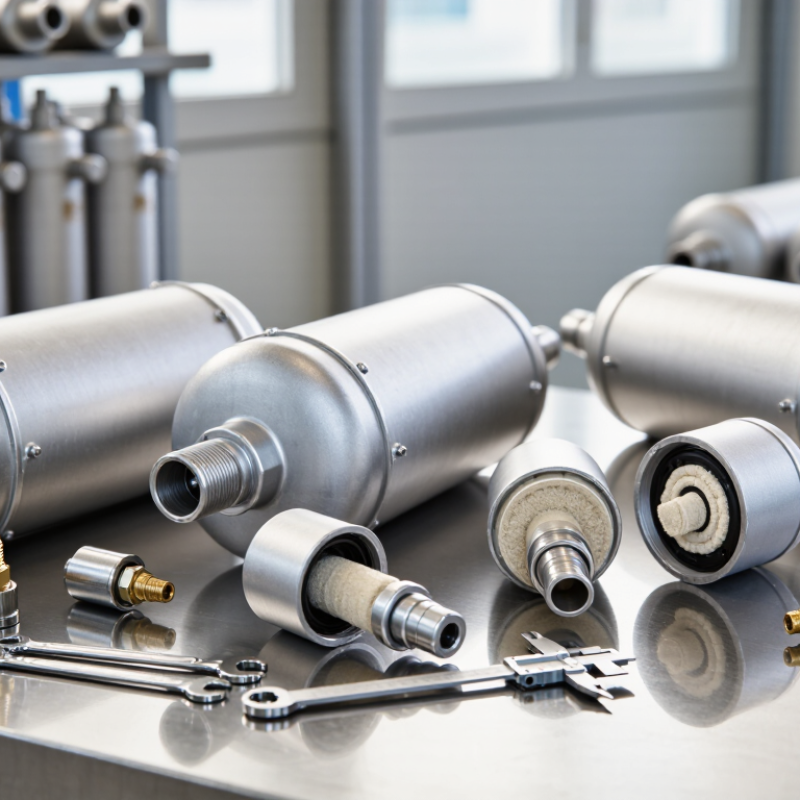
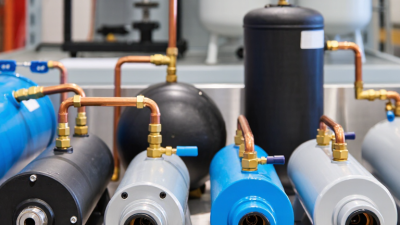
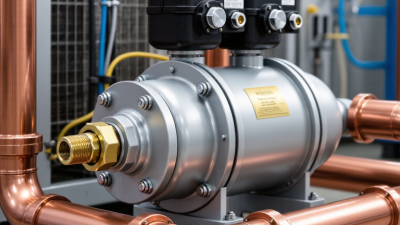
Aluminum filter driers are sealed components used in refrigeration and air-conditioning circuits. Their lightweight aluminum shell protects an internal desiccant core and fine filter material. The shell also transfers heat efficiently and resists many common operating conditions. However, material compatibility still requires checking before installation.
Refrigerant enters through the marked inlet and moves across the filter drier’s internal layers. The filter catches copper particles, welding residue, and other solid contaminants. The desiccant absorbs moisture that could freeze inside an expansion device or react with refrigerant oil. Some designs also help retain acidic compounds after compressor damage. Clean refrigerant then leaves through the outlet.
Small component. Important protection.
In practical service work, correct sizing matters more than appearance. A drier with excessive pressure drop can reduce cooling performance. An undersized unit may reach its moisture capacity too quickly. Technicians should compare refrigerant type, system capacity, connection size, temperature range, and flow direction. Installing the arrow backward is a surprisingly common mistake. It can restrict flow and reduce filtration efficiency.
The component should be replaced after a compressor burnout, major circuit opening, or serious moisture exposure. Proper evacuation remains necessary; a filter drier cannot repair a poorly evacuated system. Inspection is also useful. A temperature difference across the shell may indicate restriction, although this test alone is not conclusive. Field conditions are rarely perfect, so pressure readings and operating symptoms should support the final decision.
| Data Dimension | Verified General Information | Practical Selection Consideration |
|---|---|---|
| Definition | An aluminum filter drier is a refrigeration-system component that removes moisture, acid, particles, and other contaminants from the liquid refrigerant stream. | Confirm that the product is designed for the intended refrigerant, lubricant, pressure range, and installation position. |
| Main Housing Material | Aluminum is commonly selected for its low density, corrosion resistance, and suitability for compact hermetic components. | Check alloy compatibility, wall strength, surface treatment, and resistance to vibration and thermal cycling. |
| Core or Desiccant Media | Common desiccants include molecular sieve and activated alumina. Molecular sieve is widely used for efficient water adsorption in refrigeration systems. | Select the desiccant formulation according to refrigerant type, lubricant chemistry, moisture load, and system requirements. |
| Filtration Function | The internal filter structure captures solid contaminants such as metal particles, scale, and brazing residue before they reach sensitive components. | Review the nominal filtration rating, dirt-holding capacity, and expected pressure drop at the required flow rate. |
| Moisture and Acid Control | A filter drier helps limit moisture-related freezing, corrosion, hydrolysis, and acid formation within a sealed refrigeration circuit. | For systems exposed to burnout contamination or high moisture, verify whether a cleanup-rated drier is required. |
| Connection Options | Typical connection styles include copper tube, sweat or braze connections, and SAE flare connections, depending on the application. | Match the connection size and joining method to the system tubing, installation tools, and applicable local requirements. |
| Installation Location | In many vapor-compression systems, the filter drier is installed in the liquid line near the metering device or expansion valve. | Follow the flow-direction arrow and manufacturer instructions; incorrect orientation can reduce filtration performance. |
| Refrigerant Compatibility | Compatibility must be assessed for the refrigerant, lubricant, elastomer seals, desiccant, and internal materials as a complete assembly. | Do not select a drier solely by connection size; consult the product compatibility chart for the specific refrigerant and oil. |
| Pressure and Temperature Ratings | A suitable drier must withstand the system’s maximum working pressure, operating temperature, pressure pulsation, and thermal cycling. | Compare the rated working pressure and temperature range with the equipment design limits, including abnormal operating conditions. |
| Flow Capacity | Flow capacity depends on port size, internal construction, refrigerant mass flow, refrigerant properties, and allowable pressure drop. | Choose a capacity suitable for the system’s operating load rather than relying only on the nominal tube diameter. |
| Quality and Compliance Checks | Reliable suppliers should provide traceable material information, leak testing, pressure testing, dimensional inspection, and production-quality records. | Request applicable certifications, test methods, batch traceability, and documentation for the target market before purchasing. |
| Packaging and Storage | Filter driers should remain factory-sealed until installation because exposed desiccant can absorb atmospheric moisture and lose capacity. | Check package integrity, storage conditions, shelf-life guidance, and the recommended time between opening and installation. |
| Replacement Practice | Replacement is commonly recommended after major system opening, compressor burnout, severe contamination, or significant moisture exposure. | Use a new, compatible drier after repairs and evacuate the system properly before charging refrigerant. |