Choosing the best Copper Accumulator supplier in China takes more than comparing prices or polished product photos. The accumulator must fit the refrigerant circuit, operating pressure, connection size, and installation space. A mismatch can mean rework. Sometimes, the problem is hidden inside an otherwise neat-looking part.
This guide compares suppliers through practical checks: material specifications, welding quality, dimensional consistency, pressure-testing procedures, and traceable quality records. Buyers should ask for drawings, inspection details, sample availability, and clear answers about production changes. Look closely at weld seams and connection geometry. Ask how each batch is checked. A confident sales reply is not the same as documented process control.
An experienced refrigeration specialist’s perspective would strengthen any supplier comparison. However, no expert name or verifiable quotation was provided with the source material, so assigning a quote here would risk misleading readers. That gap matters. A trustworthy guide should distinguish verified evidence from marketing language, especially when discussing components that operate under pressure. The sections that follow can help readers assess Chinese manufacturers, compare communication and delivery practices, and identify questions worth asking before placing an order. No supplier is best for every project. The right choice depends on technical fit, consistent inspection, and reliable support after delivery. That deserves careful review.
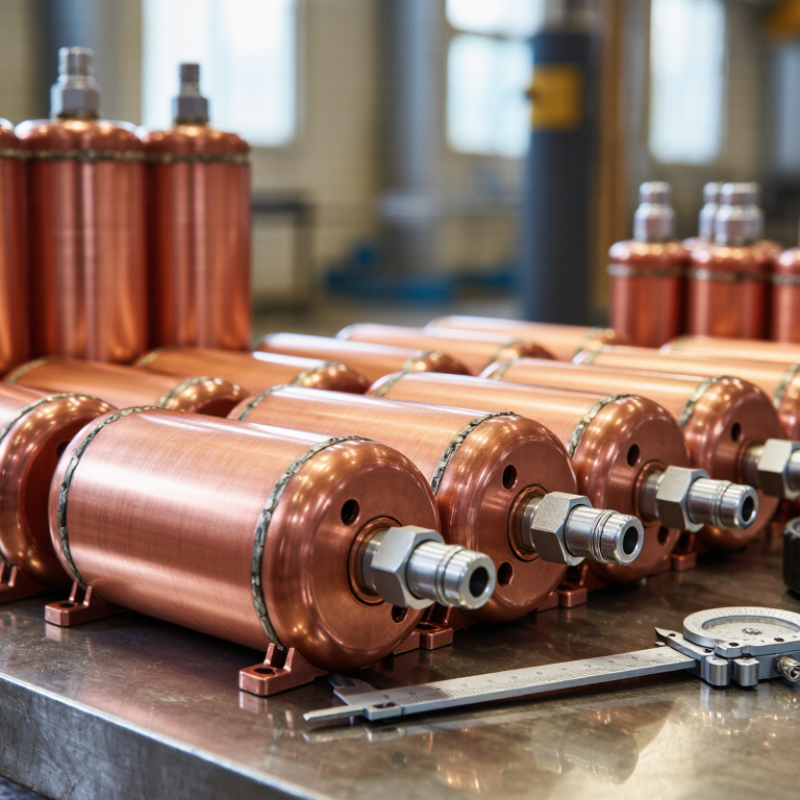
A refrigeration copper accumulator is installed in the suction line, between the evaporator and compressor. It helps keep liquid refrigerant from rushing into the compressor, where liquid can damage valves or cause liquid slugging. Not a receiver. A receiver stores liquid on the high-pressure side; an accumulator manages returning refrigerant on the low-pressure side.
Inside, the vessel slows the refrigerant flow. Liquid settles at the bottom while vapor moves toward the compressor. A small orifice or return tube allows oil and controlled amounts of refrigerant to re-enter the system. The exact arrangement varies by equipment design. In practice, technicians check the accumulator’s orientation, connections, and capacity against the system requirements. A copper shell or copper connections may support reliable joining, but material alone does not establish suitability.
An accumulator is protection, not a cure for every operating problem. Poor airflow, incorrect charge, or a faulty defrost cycle can still lead to trouble. That distinction is easy to overlook. When evaluating a supplier, ask for pressure and capacity data, material details, and inspection records. I would also verify fit and brazing compatibility before installation; a well-made part can still be the wrong match.
What Is the Best Copper Accumulator Supplier in China?
For copper accumulators, alloy grade and tube standard are not interchangeable details. C12200 is phosphorus-deoxidized copper commonly used for refrigeration tubing. The Copper Development Association’s C12200 alloy data lists Cu+Ag at a minimum of 99.9%, with phosphorus controlled within a specified range. Ask for a material test certificate showing the heat number and chemical composition. Small discrepancies matter.
ASTM B280 covers seamless copper tube for air-conditioning and refrigeration service. It sets requirements for dimensions, mechanical properties, and cleanliness. Specify tube size, wall thickness, temper, and the applicable standard edition. Ask how incoming material is checked before forming and brazing. A clean interior matters: residual oil or particles can circulate through the refrigerant system. Easy to overlook.
When comparing suppliers in China, request traceable certificates, dimensional inspection records, and test results for the offered batch. Confirm that C12200 chemistry and ASTM B280 compliance appear in the documentation, not just the quotation. Ask how substitutions and nonconforming lots are handled. A low price proves little. Paperwork can look complete while batch traceability remains weak, so review an actual batch record before approval.
Choosing a copper accumulator supplier in China starts with matching capacity to the system, not simply choosing the largest vessel. The accumulator must hold liquid refrigerant during transient operation while allowing vapor and oil to return at a controlled rate. Too little volume can let liquid reach the compressor; excess volume may slow oil return or create unnecessary pressure drop. Small details matter. Compare capacity data only when operating conditions are stated, including refrigerant, evaporating temperature, and expected mass flow. A figure without its test basis is difficult to assess.
Design pressure should account for the refrigerant’s pressure-temperature behavior, the highest expected operating temperature, and possible shutdown conditions. Ask for documented pressure-test results and clear ratings, rather than relying on a general “high-pressure” claim. Refrigerant choice also affects material compatibility, seals, and lubricant return. Copper connections or brazed joints should suit the refrigerant and oil used in the system. Not always obvious. Request material details, dimensional drawings, and inspection records, then check that the proposed accumulator fits the actual piping layout. A technically sound option can still be a poor fit if its ports complicate installation or service. I would verify these details before comparing price; it is easy to overlook them in a quick quotation review.
| Selection Factor | What to Specify | Why It Matters | What to Verify with a Supplier |
|---|---|---|---|
| Capacity and refrigerant mass flow | Provide the compressor model or refrigerating capacity, refrigerant type, operating temperatures, and expected mass flow. Do not select an accumulator by shell volume alone. | The accumulator must manage liquid refrigerant returning to the compressor while allowing adequate vapor flow. A unit that is too small may provide insufficient liquid-holding capacity; an oversized or poorly designed unit may affect oil return. | Request the supplier’s sizing method, application limits, and confirmation that the selected model suits the compressor and operating envelope. |
| Design pressure and temperature | State the system’s maximum allowable working pressure on the accumulator’s low-pressure side and its minimum and maximum operating temperatures. | Pressure ratings must suit the actual system conditions, including shutdown equalization and relevant transients. Refrigerant choice alone does not establish the required design pressure. | Check the marked pressure and temperature limits, applicable pressure-equipment requirements, and whether the rating applies to the complete assembly, including connections and joints. |
| Refrigerant compatibility | Name the exact refrigerant and lubricant, including any approved blend or oil combination. | Refrigerants have different pressure-temperature relationships and material-compatibility requirements. For example, R-410A and R-32 generally operate at higher pressures than R-134a under comparable condensing conditions; actual design conditions must still be checked. | Obtain written compatibility confirmation for the refrigerant, lubricant, seals, internal parts, shell, and connection materials. |
| Accumulator design and oil return | Confirm installation orientation, inlet and outlet arrangement, internal baffle or U-tube design, and oil-return provision. | The internal design helps separate liquid from suction vapor and return oil in a controlled manner. Suitability depends on system layout, refrigerant mass flow, and operating conditions. | Ask for a cross-section or technical drawing, recommended orientation, oil-return details, and any restrictions on minimum or maximum flow. |
| Shell and connection materials | Specify the required pressure-containing material, connection type, tube size, wall thickness, and joining method. | “Copper accumulator” can describe different product constructions. Material and joint suitability depend on the pressure rating, refrigerant, temperature range, and applicable codes. | Confirm the material grade and construction from the technical datasheet. Check that connection dimensions match the system and that the complete unit is rated for the application. |
| Operating envelope and installation | Share the application type, expected ambient and suction temperatures, system charge, mounting position, and available space. | Defrost cycles, frequent starts, low-load operation, and installation orientation can affect liquid return and oil management. | Request documented operating limits, installation instructions, and guidance for the expected start-up, shutdown, and low-load conditions. |
| Testing and traceability | Define required pressure, leak, dimensional, and material checks, plus batch identification and production records. | Consistent inspection helps verify that the delivered component matches its declared design and pressure rating. | Review applicable test procedures, inspection records, marking, traceability, and documentation required for the destination market. |
| Supplier selection | Compare technical documentation, application support, quality controls, customization capability, lead time, and after-sales response. | The most suitable supplier is the one that can demonstrate a compliant, correctly sized product for the specific system—not simply the lowest price or largest catalogue. | Request a model-specific datasheet, drawing, written application confirmation, test documentation, warranty terms, and a clear process for handling nonconforming products. |
Selection note: These criteria are for supplier evaluation, not a substitute for system engineering. Final capacity and pressure requirements should be determined from the equipment design, operating envelope, applicable codes, and the refrigerant manufacturer’s data.
A dependable supplier should show how its quality system works, not just display an ISO 9001 certificate. Check that the certificate is current and covers the facility and processes making your accumulators. Ask for recent inspection records, corrective-action examples, and clear material traceability. Evidence matters.
For leak control, ask whether every unit receives a documented leak test. “100% tested” is useful only when the supplier can explain the method, test pressure, hold time, and acceptance limit. Request a sample report showing results linked to a batch or serial number. Also review weld inspection, dimensional checks, and pressure-test procedures where applicable. A leak test cannot replace sound design or careful handling, so examine the full inspection plan.
Tips: Compare suppliers using the same questions. Ask to see a redacted test record and confirm how failed units are isolated and retested. Check response times for quality concerns, too. One detail is easy to miss: a polished certificate may say little about daily shop-floor discipline. If records are incomplete, treat that as a reason to investigate further, not automatic proof of poor quality.
When comparing Chinese copper accumulator suppliers, ask for evidence that links each finished unit to its material batch. Request mill test certificates, heat or lot numbers, incoming inspection records, and production dates. Then check whether those records match the labels on sample products. The IEA’s Global Critical Minerals Outlook 2024 estimates that announced copper projects may meet only around 70% of projected demand by 2035. That supply outlook makes dependable sourcing and documented material origin worth checking early.
Compliance should be specific to the product and destination market. Ask suppliers to identify applicable material restrictions and provide current test reports from qualified laboratories, not just a general compliance declaration. Review the report’s model, material, test date, and issuing laboratory. Check quality and environmental management certificates against their stated scope and validity. A certificate can look convincing. It may still cover another factory or product.
For traceability, request a sample batch record and follow it from incoming copper to final inspection. Compare the supplier’s written procedure with what operators actually record on the production floor. Small details matter: a missing lot number or an unexplained material substitution can break the chain. A polished document is not proof by itself; I would verify a few records and discuss gaps with the supplier before placing a large order.