Leave Your Message
Choosing an HVAC Filter Drier is a small decision with system-wide consequences. The right model helps capture moisture, acids, and particles before they damage sensitive components. The wrong one can restrict refrigerant flow or leave contaminants circulating. A copper shell may look simple on the bench, but its connection size, capacity, and refrigerant compatibility must match the equipment and service conditions.
HVACR educator Dan Holohan is known for emphasizing the importance of understanding how system components work together. This guide applies that system-minded approach to filter-drier selection. A practical reminder for readers is: “Choose for the circuit, not the shelf.” This is an editorial principle, not a verbatim quotation from Holohan. It points to a useful habit: check the manufacturer’s specifications, refrigerant type, system capacity, and installation requirements before choosing a replacement.
The sections ahead explain how to compare liquid-line and suction-line models, interpret capacity ratings, and avoid common sizing mistakes. You will also see why moisture control matters after a repair, especially when tubing has been exposed to humid air. Details matter. Yet selection is not always tidy; field conditions, limited documentation, or an older system can complicate the choice. When specifications are unclear, pause and verify them rather than guessing. A careful match supports reliable operation, while honest uncertainty is better than confident improvisation.
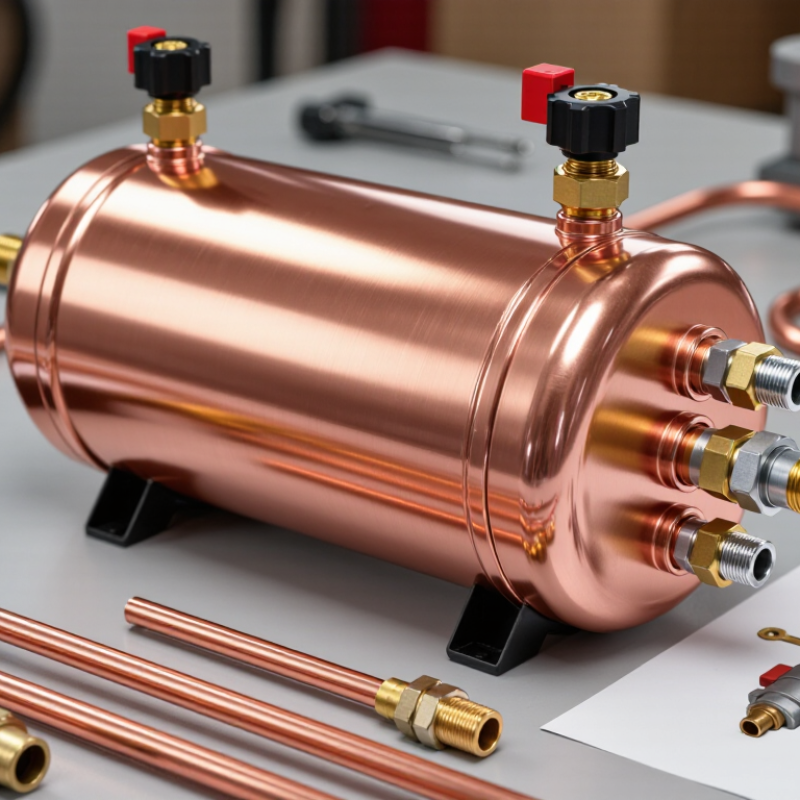
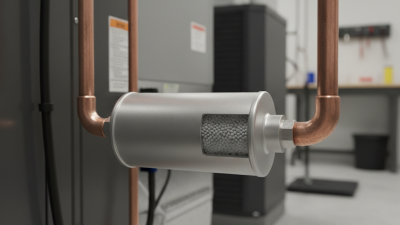
An HVAC filter drier is a small sealed component with a demanding job: it captures moisture, acids, and solid particles circulating through the refrigerant. Its desiccant holds water before it can freeze at a metering device or contribute to corrosion. The filter also traps debris that could obstruct a narrow valve opening. Think of a damp system after an incomplete evacuation; the drier helps, but it cannot correct the underlying service problem. It is protection, not a cure.
AHRI Standard 710 evaluates liquid-line driers using performance measures such as water capacity and pressure drop. Those ratings matter because a drier must remove contaminants without restricting refrigerant flow. ASHRAE’s Handbook—Refrigeration also describes moisture and contaminants as risks to refrigeration-system reliability. Check that the rated refrigerant, connection size, and capacity suit the equipment, then follow the system manufacturer’s specifications. Placement matters, too: the flow arrow should match refrigerant direction. Still, selection is not perfectly tidy. Real systems may contain unknown moisture loads, and a pressure drop can point to a restriction rather than an undersized drier. After a compressor burnout, a suction-line cleanup drier may be needed alongside liquid-line protection; replace it as directed once cleanup is complete.
Use this guide to compare filter drier types and selection factors. Always match the component to the system design and follow the equipment manufacturer’s instructions.
| Selection Factor | What to Check | Why It Matters | Practical Guidance |
|---|---|---|---|
| Primary function | Moisture, acid-forming contaminants, and solid particles in the refrigerant circuit | Contaminants can contribute to corrosion, ice formation at restrictions, and damage to system components. | Choose a drier designed for the intended refrigerant circuit and application; it is not a substitute for proper evacuation or clean installation practices. |
| Installation location | Liquid line or suction line | Each location has different operating conditions and filtration requirements. | Use a liquid-line drier for routine system protection when specified. A suction-line drier is commonly used for temporary cleanup after a compressor burnout or major contamination event. |
| Refrigerant compatibility | Approved refrigerant and lubricant combinations | Drier materials and desiccants must be compatible with the refrigerant and oil used in the system. | Check the drier’s technical documentation and the system nameplate or service information. Do not assume a drier is suitable for every refrigerant. |
| Capacity and system match | Refrigerant type, system capacity, operating conditions, and required moisture capacity | An unsuitable or undersized drier may restrict flow or provide inadequate contaminant control. | Select by the manufacturer’s application data, including capacity ratings at the relevant conditions—not by connection size alone. |
| Flow direction | Arrow marking and whether refrigerant flow is one-way or reversible | A standard one-way drier may not be appropriate where flow reverses. | For heat pumps with reversing refrigerant flow, use a drier specifically designed and rated for bi-directional operation when required by the system design. |
| Connection type and size | Tube diameter, connection style, and available installation space | Correct connections support a sound installation and help avoid unnecessary flow restrictions. | Match the specified line size and connection type. Allow adequate room for installation, service access, and any required flow-direction markings. |
| Pressure and temperature ratings | Maximum working pressure and permitted operating temperature range | The component must safely withstand the system’s design and operating conditions. | Verify ratings against the equipment requirements and applicable codes. Never use a component with inadequate pressure or temperature ratings. |
| Filter and desiccant characteristics | Filtration capability, moisture capacity, and suitability for the application | These characteristics affect the drier’s ability to capture contaminants while maintaining acceptable refrigerant flow. | Use the product data sheet to compare application ratings. Avoid choosing solely on physical size or a general-purpose description. |
| System condition | New installation, routine repair, or contamination cleanup | Severe contamination may require a different service approach from routine component replacement. | After a compressor burnout, follow the equipment and drier manufacturers’ cleanup procedures. A temporary suction-line cleanup drier may need inspection and replacement after the cleanup process. |
| Replacement timing | Whether the sealed refrigerant circuit has been opened or contamination is suspected | A used drier may have absorbed moisture and contaminants and should not generally be reused after circuit service. | Replace the filter drier when required by the service procedure, especially after opening the refrigerant circuit. Keep a new drier sealed until installation. |
| Installation quality | Moisture control, cleanliness, correct flow direction, and proper brazing practice | Poor installation can introduce contamination or damage the component and nearby system parts. | Use qualified refrigeration service practices, protect the drier from excessive heat during brazing, and evacuate the system according to the equipment instructions. |