Leave Your Message
Choosing a Refrigerant Filter Drier in 2026 is not just a matter of matching pipe size. The right component helps remove moisture, acids, and particles before they damage sensitive system parts. A poor match can restrict refrigerant flow or leave contaminants circulating. Small details matter.
Start with the refrigerant type, system capacity, operating pressure, and installation location. Check the manufacturer’s specifications for refrigerant compatibility, rated flow, pressure drop, and moisture capacity. These figures are more useful than choosing by appearance or price alone. A liquid-line drier and a suction-line drier serve different conditions, so they should not be treated as interchangeable. For example, after a compressor burnout, a suitable cleanup drier may be needed, subject to the equipment maker’s service guidance.
Look closely at connection type and size, and confirm the flow direction marked on the shell. A sight glass or moisture indicator can help technicians assess system conditions, but it does not replace proper testing. Keep the drier sealed until installation, since an open port can admit moisture from the air. Even experienced technicians can overlook this during a busy repair. It is an easy mistake.
There is no universal choice for every system. Product ratings and application guidance can vary, so confirm current manufacturer data before ordering. A careful selection, followed by correct installation and leak checks, gives the system a more dependable start.
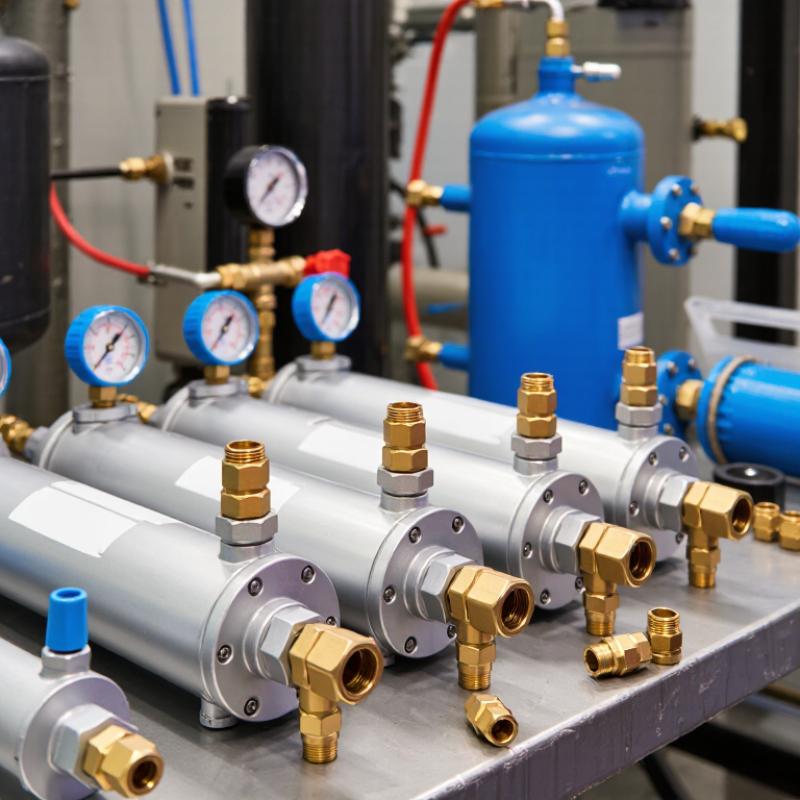
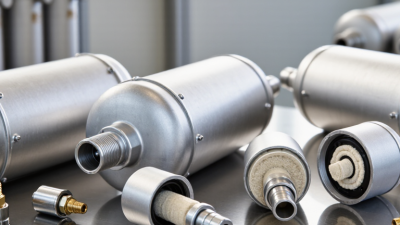
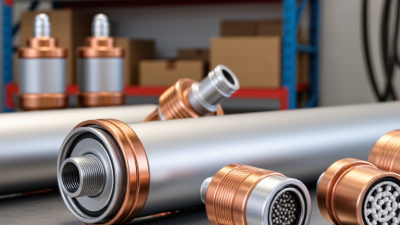
A refrigerant filter drier removes moisture, acids, and small particles from the refrigerant circuit. Inside its metal shell, desiccant captures moisture while a filter screens debris. Water may freeze at a metering device, restricting refrigerant flow. That matters. Moisture can also contribute to corrosion and chemical damage. A drier cannot repair a contaminated system, but it helps limit these risks when correctly selected and installed.
Choose a drier rated for the refrigerant and system application, with suitable capacity, connection size, and pressure rating. A liquid-line drier is common in many systems; suction-line models are used when the application calls for them, such as after certain compressor failures. Check the manufacturer’s technical data. A larger shell is not automatically better: it may add cost without improving performance. Replace the drier after the sealed circuit is opened or when contamination is suspected, following service guidance. There is no tidy replacement interval for every system. Conditions vary, and that detail is easy to overlook.
| Selection factor | What to check | Why it matters | Practical guidance |
|---|---|---|---|
| Refrigerant compatibility | Confirm the drier is approved for the system’s refrigerant and lubricant, including any blends in use. | Desiccant and internal materials must be compatible with the refrigerant and oil to help prevent chemical or material problems. | Check the equipment and drier manufacturers’ compatibility information; do not select by connection size alone. |
| System capacity and operating conditions | Compare the drier’s rated capacity with the system’s refrigerant, evaporating temperature, condensing conditions, and required mass flow. | Capacity ratings depend on the refrigerant and rating conditions. An undersized drier can add excessive pressure drop or restrict flow. | Use the manufacturer’s selection tables for the actual application rather than relying only on nominal tonnage or line diameter. |
| Moisture and contaminant control | Review the drier’s stated moisture-removal capability and whether it is intended for liquid-line or suction-line use. | A filter drier helps capture moisture and solid particles; suitable models can also help remove acids formed after contamination or burnout. | Choose the type and location specified for the system. A drier does not replace proper evacuation, leak repair, or refrigerant handling. |
| Filtration requirements | Check the manufacturer’s filtration rating and the types of debris the product is designed to retain. | Particles can damage valves, capillary tubes, and other components. Filtration capability varies by product and construction. | Match filtration needs to the equipment and service condition; use a purpose-designed cleanup drier when the system has suffered a burnout or severe contamination. |
| Pressure and temperature ratings | Verify the maximum allowable working pressure and permitted temperature range against the system design and applicable requirements. | The component must safely withstand the pressures and temperatures it may encounter during operation and service. | Check the product documentation and system specifications before installation; never exceed the component’s marked limits. |
| Connection type and line size | Match the connection style, nominal line size, and installation arrangement. | Correct connections support a secure installation and help avoid unnecessary flow restrictions or leak points. | Confirm whether the design uses solder, flare, or another connection and follow the specified installation procedure. |
| Replaceable-core or sealed design | Consider system size, service access, expected maintenance, and whether a replaceable-core housing is specified. | Sealed driers are commonly used in many smaller systems; replaceable-core designs can simplify servicing in suitable larger systems. | Choose the construction that fits the equipment design and service plan. Replace cores only with compatible parts and follow safe service procedures. |
| Installation and replacement condition | Check the manufacturer’s flow-direction marking, installation instructions, and guidance on replacement after opening the circuit. | Incorrect orientation or leaving a moisture-exposed drier in service can reduce reliable system protection. | Install in the specified direction and replace the drier when required by the equipment instructions or after significant circuit contamination or exposure. |
Selection principle: Use the system manufacturer’s specifications and the filter-drier manufacturer’s application data. Capacity, compatibility, pressure rating, and installation requirements should all be verified for the specific system.