Leave Your Message

Top 10 Refrigeration Tee Manufacturers in China

Selecting a reliable supplier is a practical step in building refrigeration systems that perform consistently. This guide to the Top 10 Refrigeration Tee Manufacturers in China introduces companies worth evaluating for product range, manufacturing capability, and customer support. A Refrigeration Tee may look like a small fitting, but its dimensions and workmanship can affect pipe connections, assembly time, and system reliability.

The comparison considers details buyers can check: available copper sizes, branch geometry, wall thickness, surface finish, production capacity, and options for custom specifications. A clean, evenly formed branch can make alignment easier during installation. Ask manufacturers for drawings, material information, sample parts, and inspection records. Confirm that product specifications suit your intended refrigerant, operating conditions, and connection method. Do not assume that similar-looking fittings have identical performance.

Manufacturer profiles can help narrow a search, but a ranked list cannot replace technical review. Capabilities change, and product claims should be verified directly. Some suppliers may provide clearer documentation than others; that matters. Request current quotations and lead times, and compare like-for-like specifications before making a decision. Even a useful overview has limits. Treat this guide as a starting point, then assess each candidate against your project requirements, quality expectations, and communication needs.
Top 10 Refrigeration Tee Manufacturers in China

What Refrigeration Tees Are and How They Work

Top 10 Refrigeration Tee Manufacturers in China
What Refrigeration Tees Are and How They Work

A refrigeration tee is a pipe fitting with one inlet path and a side branch. It connects sections of refrigerant piping or creates a branch to another component. In a working system, refrigerant may be liquid, vapor, or a mixture, depending on the line and operating conditions. A tee does not guarantee an even split. Flow depends on pipe diameter, pressure, refrigerant state, and the branch’s position.

Small part. Big effect. A tee’s internal shape can influence pressure drop and oil movement, especially on suction lines. Installers should match the fitting material and dimensions to the piping design, then check that joints are properly made and supported. A common oversight is choosing a tee by pipe size alone. Two fittings with matching connections may behave differently in a particular layout. The right selection comes from the system design, not appearance. Even then, the actual installation deserves a careful review; drawings do not always show every tight bend or awkward service clearance.

Materials, Designs, and Manufacturing Requirements

When comparing Chinese refrigeration tee manufacturers, look beyond alloy labels. UNEP’s 2023 Global Cooling Watch estimates global cooling capacity could rise from about 22 terawatts in 2022 to 67 terawatts by 2050. That growth makes joint reliability increasingly important. For copper tees, confirm material grade, tube compatibility, and applicable ASTM B280 and ASME B16.22 requirements. Check whether those standards match the product design and target market.

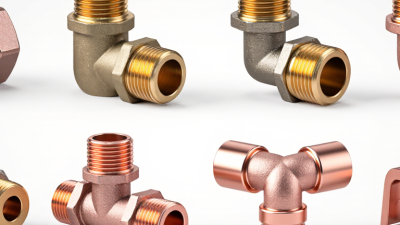
Design details affect both flow and installation. Equal and reducing tees need accurate branch dimensions, smooth internal transitions, and consistent socket depth. Ask for dimensional inspection records, material certificates, and documented pressure and leak-test results. Confirm the specified design pressure and temperature suit the intended refrigerant system. Clean interiors and sealed packaging help limit debris and moisture before installation. Small details matter. A polished sample is not proof of stable production; batch consistency deserves scrutiny.

Tips: Request a drawing with tolerances, not just a catalogue image. Compare sample dimensions against the drawing, and ask how production batches are checked. For brazed copper connections, verify fitting compatibility with the tube and joining procedure.

How to Assess Refrigeration Tee Manufacturers in China

Top 10 Refrigeration Tee Manufacturers in China

How to Assess Refrigeration Tee Manufacturers in China

Assessing refrigeration tee manufacturers in China starts with process evidence, not a polished catalogue. UNEP’s 2023 Global Cooling Watch projects that global cooling capacity could more than triple by 2050 under a business-as-usual scenario. That growth makes dependable joints and consistent dimensions important. Ask about copper grade, forming controls, pressure ratings, and documented leak tests. Small details matter.

Request dimensional inspection records and material certificates for the exact tee model you plan to buy. Check branch alignment, wall thickness, burrs, and whether the fitting suits your tube size and brazing process. Confirm test methods and operating limits in writing. A factory visit helps, but one clean sample proves little. Ask how production batches are traced and how defects are handled.

Tips: Compare samples from several production runs, not just one. Ask for a test report that identifies the model, date, and test conditions. Keep a sample for your own fit and brazing checks; a slightly uneven branch can complicate installation.

Profiles of Ten Leading Refrigeration Tee Manufacturers in China

A profile of a refrigeration tee manufacturer should begin with its product range. One Chinese producer may focus on standard copper tees, with smooth branches and consistent wall thickness. Another may offer custom dimensions for compact refrigeration cabinets. A third may specialize in large-volume orders, where stable tooling helps keep each fitting uniform. Some suppliers also machine brass components, while others concentrate on copper fabrication. Details matter.

A fourth manufacturer might support small batches and frequent design changes, useful for equipment makers testing a new layout. A fifth may supply tees as part of broader pipe assemblies, reducing steps during installation. A sixth could emphasize material traceability and keep inspection records for each production lot. Another may maintain in-house pressure and dimensional checks. Ask how samples are measured. A clean sample alone proves little.

The remaining profiles highlight service and process. One supplier may provide technical drawings and review branch angles before production. Another may prioritize export packing, protecting fittings from dents and moisture during transit. A tenth may stand out through responsive communication and clear lead-time updates. These are practical distinctions, not guarantees of quality. Buyers should compare drawings, sample measurements, inspection methods, and order terms before choosing a manufacturing partner.

Top 10 Refrigeration Tee Manufacturers in China - Profiles of Ten Leading Refrigeration Tee Manufacturers in China

This comparison presents ten practical profile dimensions for evaluating refrigeration tee suppliers. It contains general industry information, not company-specific rankings or unverified manufacturer claims.

No. Profile Dimension Relevant Industry Information What Buyers Should Verify
1 Product Range Refrigeration piping systems may use equal tees, reducing tees, and branch fittings, with designs depending on the tube system and connection method. Confirm tee configuration, branch size, connection type, and compatibility with the specified tubing and system design.
2 Base Material Copper is widely used in refrigeration tubing and fittings because it is formable and compatible with common joining methods used in copper piping systems. Request the material specification and traceability documents; check that the fitting material is compatible with the project requirements.
3 Tube Compatibility ASTM B280 covers seamless copper tube intended for air-conditioning and refrigeration field service. EN 12735-1 covers copper tubes for refrigeration and air-conditioning systems. Check the applicable tube standard, outside diameter, wall thickness, and whether the fitting is designed for the selected tube dimensions.
4 Fitting Standards ASME B16.22 addresses wrought copper and copper-alloy solder-joint pressure fittings, including fittings used in piping applications. Verify the exact standard and edition required by the project. Do not assume that a product conforms unless the supplier provides supporting documentation.
5 Connection Method Copper refrigeration fittings may be designed for brazed or soldered connections. The appropriate joining method depends on the fitting design, system, and applicable codes. Confirm the end design and joining instructions. Use qualified procedures and suitable filler metals for the intended service conditions.
6 Size and Dimensions Available sizes and dimensional tolerances vary by product series and applicable standard; there is no single universal size range for all refrigeration tees. Obtain dimensioned drawings or a product data sheet showing run and branch dimensions, tolerances, and nominal or actual tube sizing.
7 Manufacturing Processes Fitting production may involve forming, machining, trimming, and finishing steps. The process used depends on the fitting design and material. Ask how the supplier controls forming consistency, dimensional accuracy, surface condition, and production changes between batches.
8 Inspection and Testing Inspection plans may include dimensional checks and visual examination. Pressure or leak testing requirements depend on the product specification and buyer’s application. Define acceptance criteria before ordering and request relevant inspection records or test reports for the supplied batch.
9 Quality Management ISO 9001 specifies requirements for a quality management system; it is not, by itself, a product-performance certification. If certification is required, verify its validity, scope, issuing body, and relationship to the actual manufacturing site and product.
10 Documentation and Supply Export orders commonly require clear product identification, packaging details, and shipping documents. Specific documentation depends on the destination and contract. Agree on labeling, packing, traceability, inspection documents, delivery terms, and destination-market requirements before purchase.

Applications and Factors for Choosing a Supplier

Refrigeration tees split or combine flow in liquid, suction, and hot-gas lines. They appear in supermarket racks, cold rooms, display cases, and heat-pump assemblies. On a crowded rack, a tee’s branch angle and overall length can affect pipe routing and service access. A poorly matched fitting may also complicate brazing or create unwanted flow resistance. Small details matter.

Supplier selection starts with compatibility. Confirm tube dimensions, fitting material, operating pressure, temperature range, and the intended refrigerant and lubricant with the system designer. Ask for dimensional drawings, material specifications, inspection records, and batch traceability. These documents help verify consistency; they do not replace application-specific engineering review. A sample can reveal fit and finish, but one sample cannot prove every production run. That judgment is imperfect.

For manufacturers in China, review production capacity, quality-control steps, packaging, and realistic lead times. Ask how dimensions are checked and how nonconforming parts are handled. Clear answers are useful. Compare quotations on the same technical requirements, not price alone. A low-cost tee may need extra sorting or rework, while a higher price does not automatically guarantee better performance. Consider trial orders and inspection criteria before committing to recurring volumes.